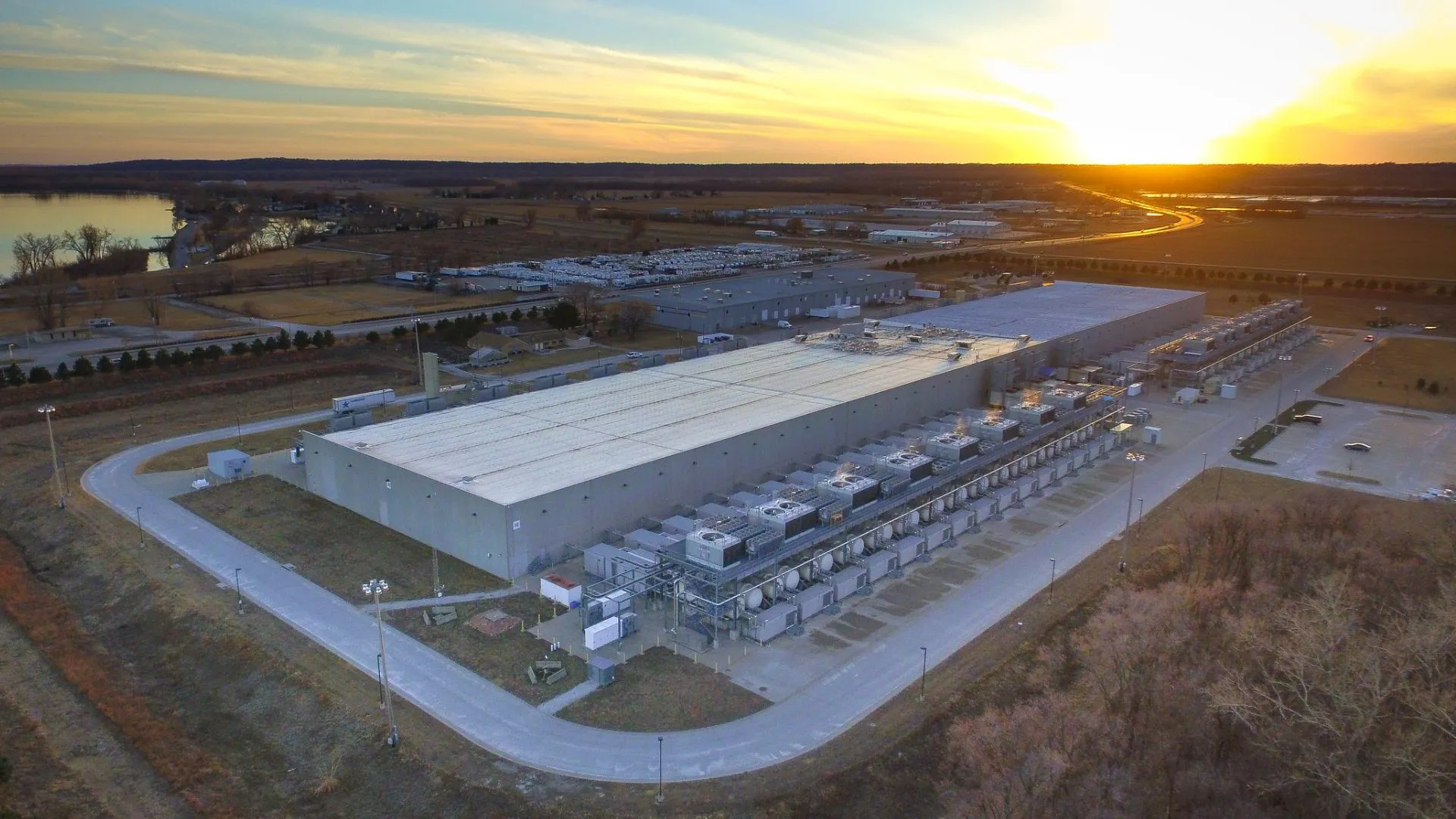
The Spanish government approved a royal decree on Nov. 20 establishing energy sustainability, environmental, resilience and digital sovereignty requirements for data centers. The Council of Ministers also approved the country’s electricity transmission network development plan through 2030, which was presented last week.
Third Deputy Prime Minister and Minister for Ecological Transition Sara Aagesen announced the measures following the cabinet meeting.
The regulation comes amid rapid growth in electricity demand from data centers and artificial intelligence infrastructure. According to Aagesen, data center projects have secured grid access permits for 15 GW of capacity, including 6 GW on the transmission network and 9 GW on distribution networks. This represents nearly 40% of Spain’s peak electricity demand, while a further 20 GW of capacity is awaiting grid access.
These figures significantly exceed the projections in Spain’s 2024 Artificial Intelligence Strategy, which anticipated less than 4 GW of data center electricity demand by 2030.
The government had already raised concerns about the potential impact of large-scale data center development on electricity demand, grid capacity and renewable energy deployment. In August, it proposed requiring data centers to source at least 80% of their electricity from additional renewable generation.
The approved decree introduces several changes to the initial proposal published in August, including a higher capacity threshold for the main requirements.
The revised framework targets data centers with grid access capacity of at least 10 MW, up from the 1 MW threshold initially proposed. It establishes requirements covering renewable electricity procurement, energy and water efficiency, grid flexibility, resilience and digital sovereignty.
Source link