A new floating nuclear power unit will soon bring electricity to a massive copper mining hub in Russia’s Arctic Far East.
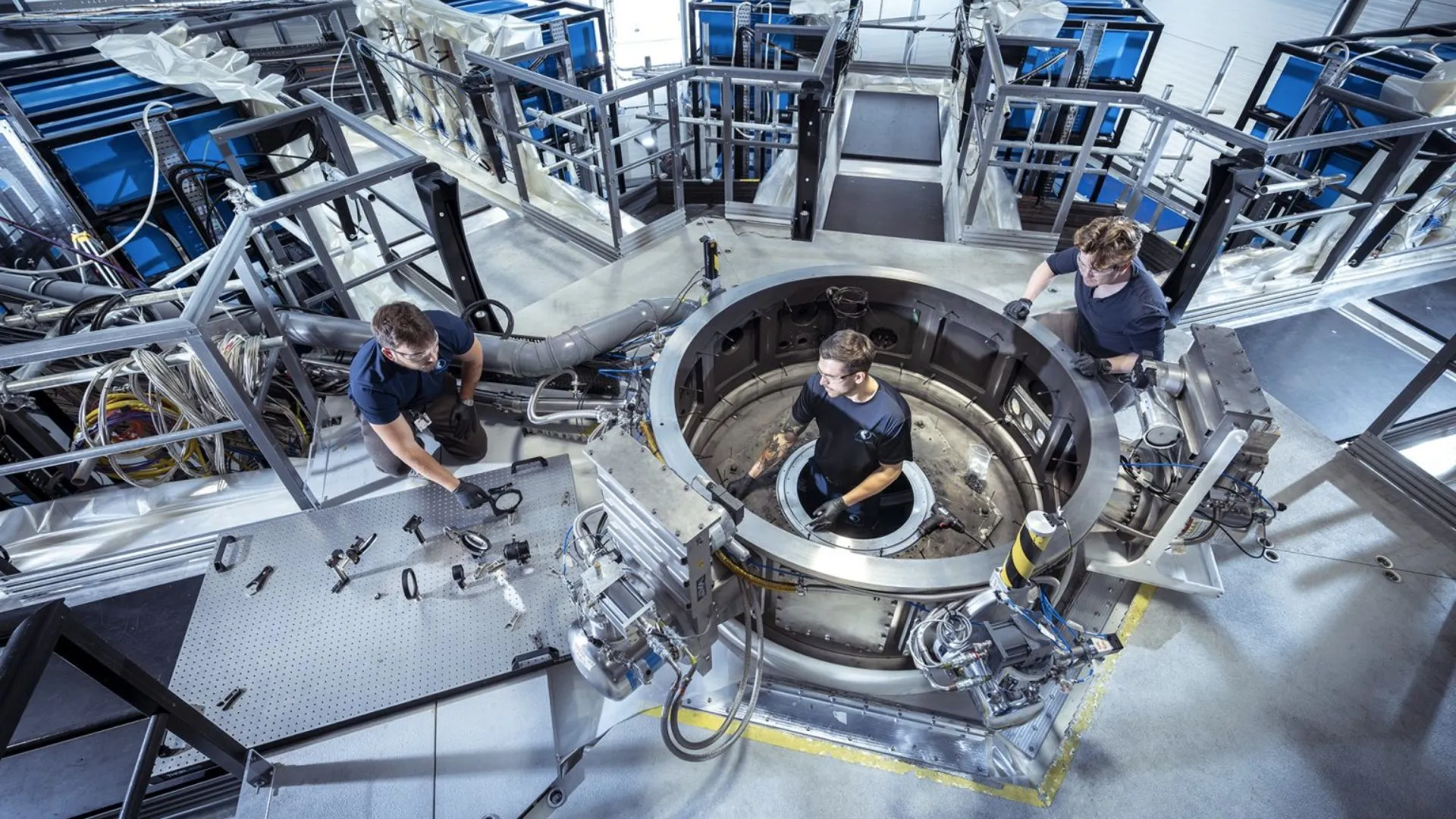
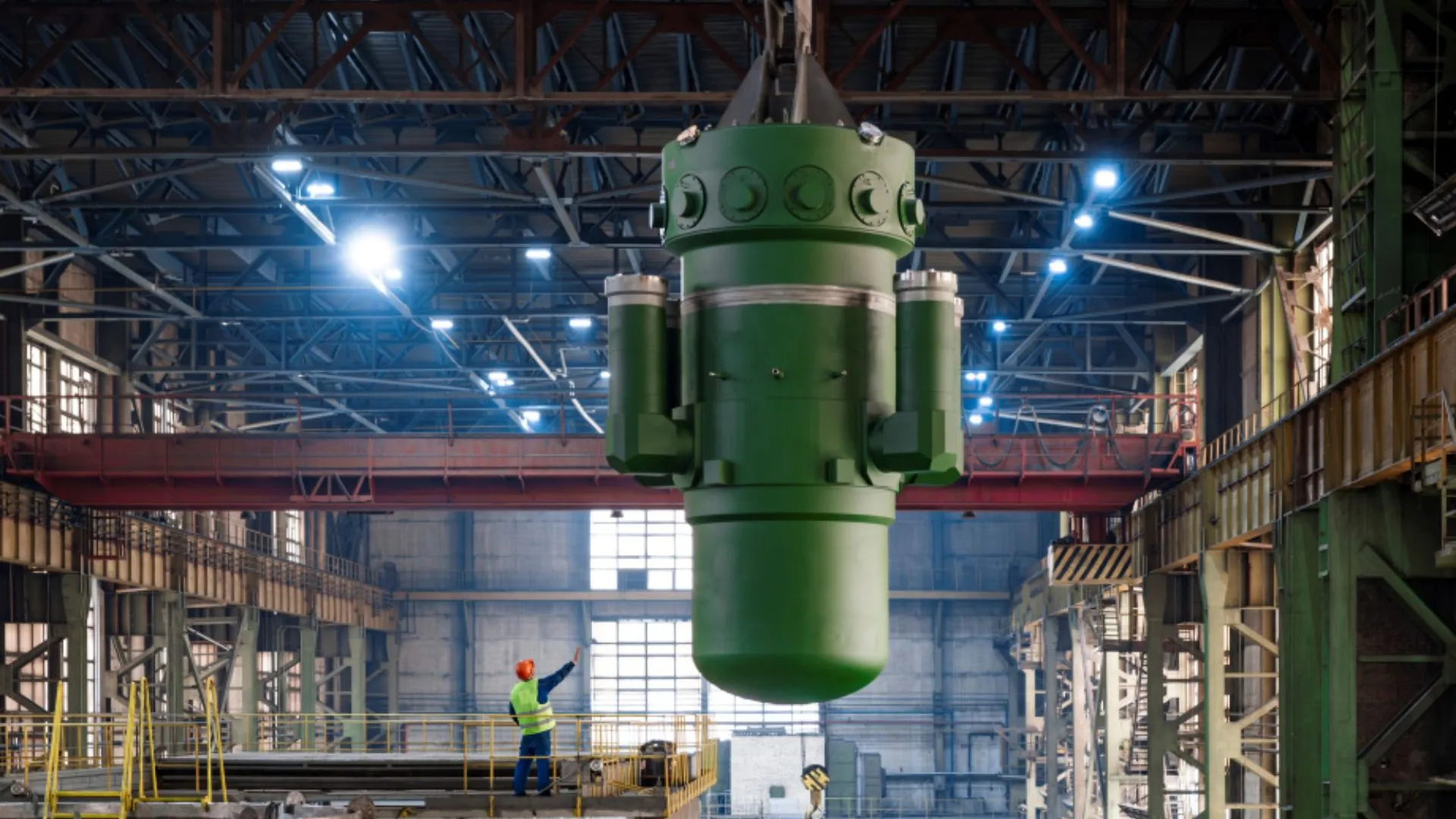
The project hit a key milestone near Moscow this week. Technicians at the ZiO-Podolsk factory completed the vessel’s second RITM-200S reactor. The unit passed its high-pressure water trials without issue. Workers also assembled the parts in a trial run, verifying that every component matches the blueprints.
This completes the two-reactor power pack for the vessel, named PEB-106. Its sister unit was finished in May. That first reactor is already resting at a shipyard, ready for installation into the ship’s hull.
This technology was originally built for the high seas, not stationary power grids.Russia created the RITM-200 system to run its latest nuclear icebreakers.
The new reactor is roughly one-and-a-half times more compact than older Soviet designs, yet delivers significantly more power. This reduced weight allows Project 22220 icebreakers to employ a dual-draft hull. They take on water ballast to crush three-meter Arctic sea ice in deep ocean water, then de-ballast to sit shallow enough to navigate northern river estuaries.
Eight of these reactors are already at work aboard modern icebreakers like the Arktika and Ural. Now, engineers are anchoring that same hardware off polar coasts to run like giant, clean batteries.
Heavy industry in the Far North cannot rely on traditional power grids or weather-dependent renewables. A floating station solves this by providing a dependable, multi-decade power supply. 4 billion kilowatt-hours of power into Chukotka since 2020.
Source link