Distributed generation assets in Brazil could do more to smooth supply and demand curves, but regulations need to catch up with deployment.
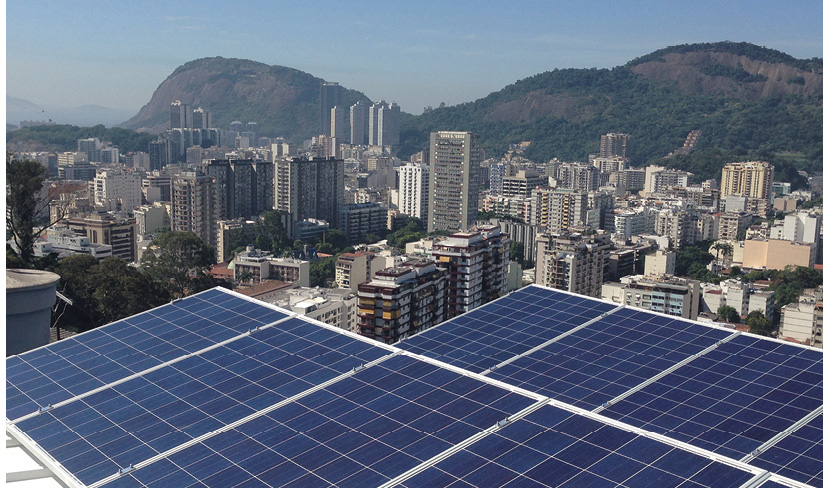
Roughly 67 GW of cumulative installed solar capacity was connected to Brazil’s grids as of early 2026, of which about 47 GW is distributed generation capacity, connected to distribution networks. The impacts of adding all this solar are now visible at system level.
Midday net-load valleys have deepened and evening ramps have steepened, with system ramping requirements approaching 38 GW on peak days in 2026. Curtailment of variable renewable output reached 30.4% in October 2025, principally driven by transmission bottlenecks in the northeast.
The introduction of hourly settlement pricing has converted those imbalances into price signals, and intraday spreads exceeded BRL 4,500 ($864)/MWh during peak events in early 2026. The market has answered so far by adding firm and flexible capacity. Brazil’s 2026 capacity reserve auction (LRCAP) contracted approximately 19 GW – consisting of 8.86 GW of new thermal, 7.61 GW of existing thermal, and 2.5 GW of hydro. The average price for gas plants was about BRL 2.48 million per megawatt, per year. This represented a thin discount on baseline auction prices. The desired flexibility was procured, but at a high cost.
Leveraging existing resources through VPPs could substantially reduce the need for costly thermal capacity. VPPs aggregate distributed assets – rooftop PV, residential batteries, commercial and industrial (C&I) flexible load, EV charging, small backup gensets – into a single dispatchable resource, coordinated by software and increasingly optimized by machine learning across forecasting, dispatch, bidding, and battery-degradation management.
Source link