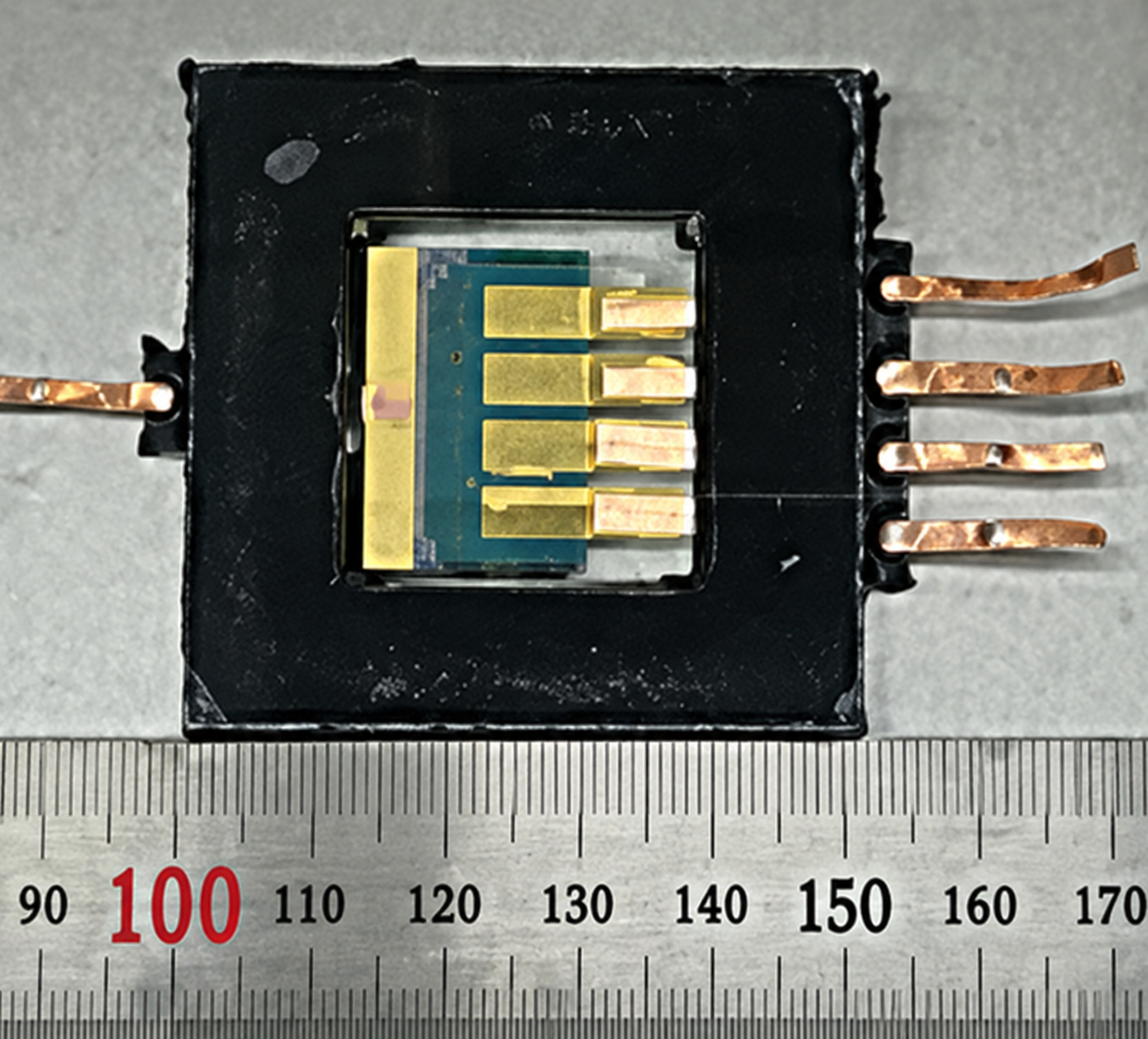
Scientists at the Korea Institute of Energy Research (KIER) have developed a catalytic process that could extend the operational lifespan of perovskite solar cells while maintaining high power conversion efficiencies.
The researchers explained that the hole transport layer (HTL) in perovskite solar cells is typically modified with lithium-based salts and additives that improve their solubility to increase electrical conductivity and facilitate charge transport. However, the volatility of these additives poses a significant challenge to long-term device stability.
Under real-world operating conditions, particularly high temperatures and humidity, these compounds can evaporate or migrate from the HTL, compromising the interfaces between adjacent layers. The resulting voids and structural defects can accelerate device degradation and shorten the operational lifespan of perovskite solar cells.
“Furthermore, at elevated temperatures and high humidity, lithium ions released from lithium salts diffuse into the interior of solar cells in an uncontrolled manner, further shortening their lifespan,” the researchers explained. “However, alternative strategies to achieve the same improvement in efficiency, either by eliminating the use of lithium salts and additives or by replacing them with other agents, have not yet been proposed.”
To address these issues, the researchers developed a catalyst-assisted process in which lithium salts are temporarily used to drive the required chemical reactions before the lithium ions and catalyst are removed from the solution through filtration.
“The key to the developed technology lies in the use of nickel oxide (NiOx) as a catalyst. When added to the hole-transport layer solution, this nickel oxide powder exhibits strong interactions with lithium ions, strongly attracting them,” the academics said.
Source link