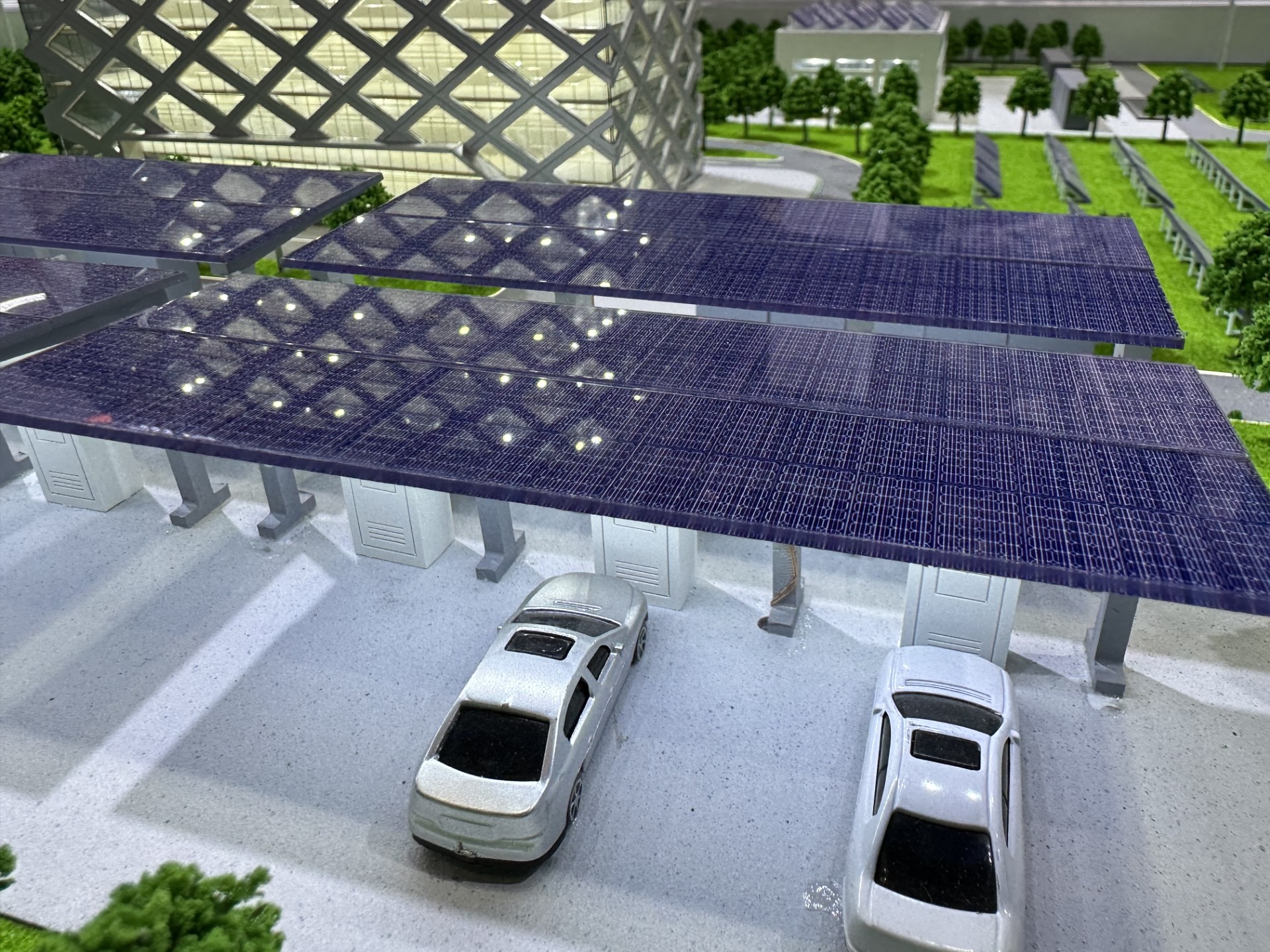
Despite repeated attempts — mostly from the right of the European political spectrum — to slow down electrification to protect carmakers that failed to prepare in time, electric mobility is progressing rapidly across Europe. This was a policy-driven market, and it suddenly shifted to a customer-driven market. The 2026 fuel-price surge now acts as a key driver, independent of subsidies. Finally, the convergence with solar and storage turns the electric car from a transport object into an energy asset: the photovoltaic–battery–plug-in-vehicle triptych is not only the business model of tomorrow but also the key driver of an accelerating energy transition.
Before discussing mobility, one fact must be established, because it structures everything that follows: the European photovoltaic is hitting the physical limits of an electricity system without storage — and storage has become the key enabler for PV to keep growing.
Solar is now Europe’s cheapest source of electricity, but its economics are deteriorating precisely because of its own success. With today Eu’s PV fleet around 450 GW and the minimum power demand in the EU around 200 GW, it is obvious that most countries record negative prices on their electricity market. Germany alone recorded 573 negative-price hours in 2025, and this is developing in 2026. In addition to increased curtailment, the impact is visible on the profitability of all installations depending on merchant business models.
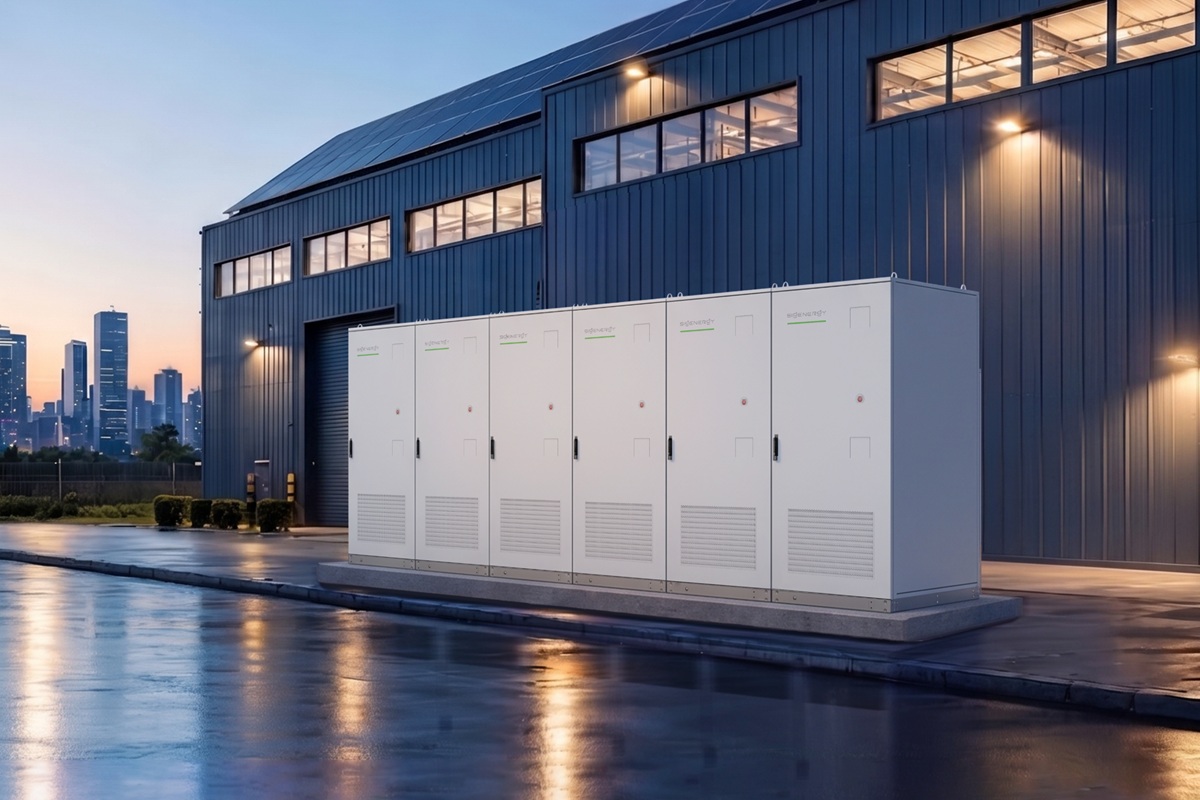
This is where battery storage comes in, driven primarily by utility-scale systems (but not only). Annual installations are expected to exceed 50 GWh in 2026 and will most probably triple by 2030.
Source link