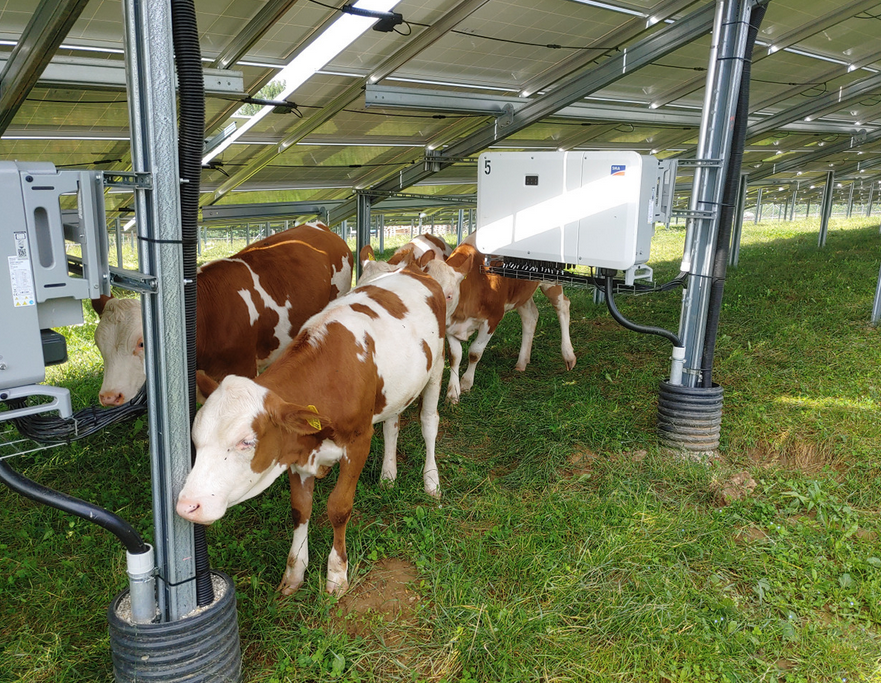
The prospect of large-scale changes to familiar landscapes can trigger emotional distress long before those changes take place. Known as anticipatory solastalgia, this sense of impending environmental loss may help explain why agrivoltaic projects face local opposition, even when they promise benefits for renewable energy generation and agricultural resilience.
The concept builds on solastalgia, a term introduced by Australian philosopher Glenn Albrecht in the early 2000s to describe distress caused by environmental changes to familiar places. Its future-oriented dimension was subsequently developed in environmental psychology, with anticipatory solastalgia examined as a distinct psychological construct in 2023.
A new survey examining public perceptions of agrivoltaics suggests that anticipated landscape changes are among the most significant barriers to social acceptance. At the same time, perceived environmental sustainability, local economic opportunities, trust in scientific experts, and the fairness of decision-making processes are associated with more favorable attitudes toward the technology.
“Global and local sustainability are among the factors most closely associated with a positive assessment of agrivoltaics,” Mirella De Falco, lead author of the study, told pv magazine.
Global sustainability refers primarily to the perceived environmental consequences of agrivoltaic technology, including its effects on ecosystems, biodiversity, and agricultural land. Local sustainability, meanwhile, concerns the benefits people expect for their communities, such as employment opportunities and support for agricultural activities.
“At the heart of these assessments is a concrete question: what benefits can agrivoltaics bring to the environment and local communities?” she said.
The findings suggest that acceptance depends not only on the technology’s perceived environmental performance but also on whether communities recognize tangible ecological and socioeconomic benefits.
Source link