It’s never been cheaper to send objects into orbit. Powering them when they get there is a different challenge.
The space industry has relied on costly gallium arsenide (GaAs) III-V solar cell technology to power its orbital endeavors since the 1960s, but as a growing number of terrestrial companies plan for expansion into space, the levelized cost of electricity in orbit will need to come down.
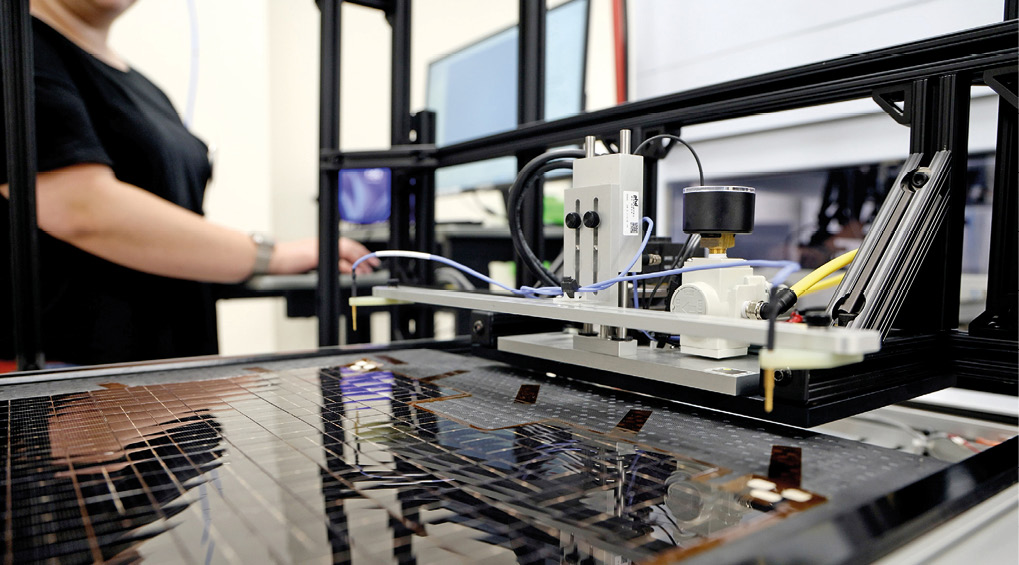
“Nothing in space happens without power,” explained Kevin Hell, president and CEO of US manufacturer mPower. Founded in 2015 by Murat Okandan, now the company’s chief technology officer, mPower is a spin-out from Sandia National Laboratories. The company manufactures silicon-based flexible solar modules bound for space and, as Hell explained, growth in the orbital economy has created new opportunities.
“Sandia Labs originally were looking at a variety of ways to improve the efficiency and the cost of deployment for terrestrial-based photovoltaic solutions,” Hell said. “Then Murat and I both recognized that the space market is actually a great place for this right now because the margins are higher, of course, and the need is incredibly strong right now.
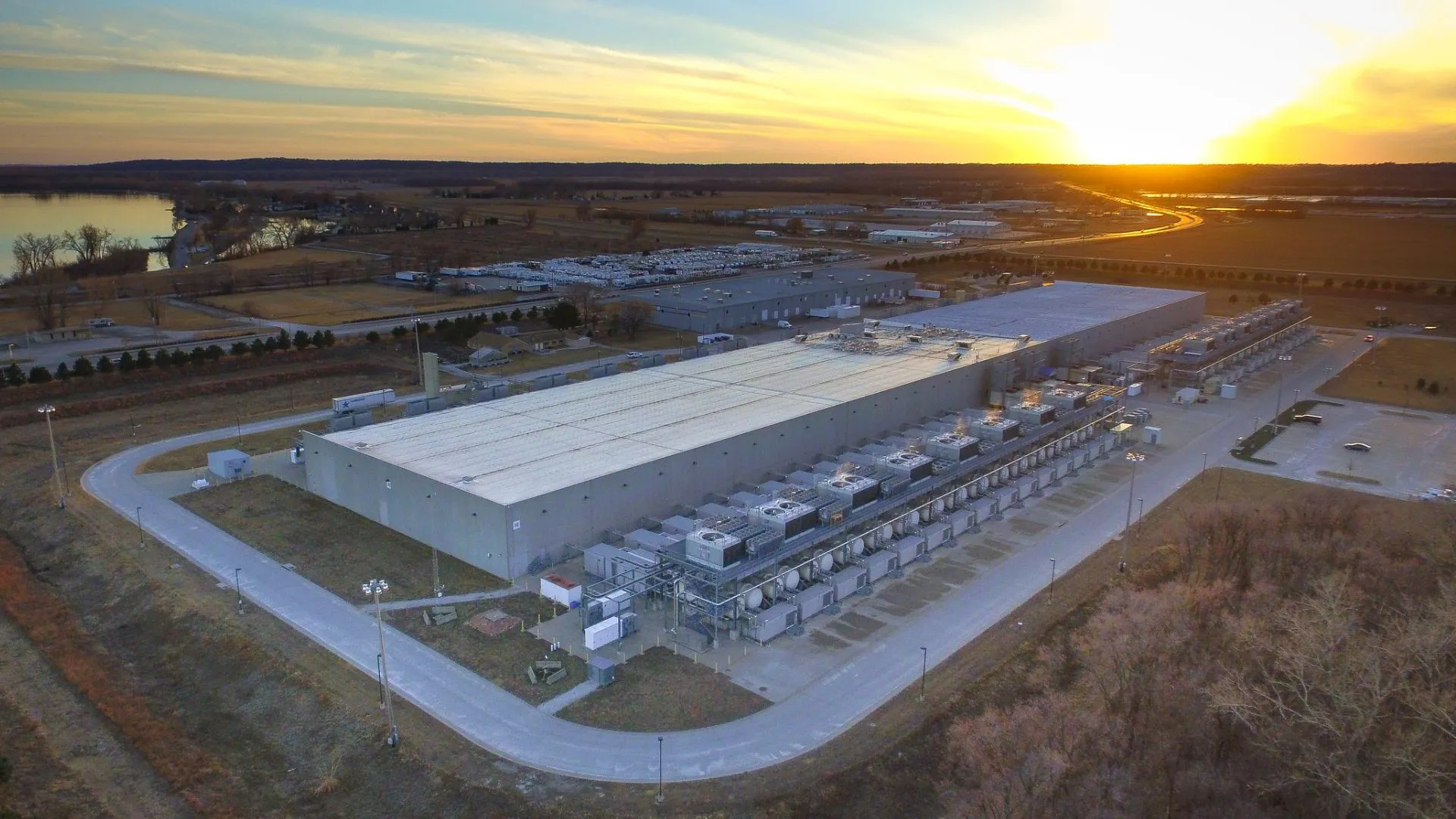
“You’ve got not only all these low-Earth-orbiting constellations, but now people are talking about orbital data centers and space computing and national security missions like Golden Dome that are massive in scale. The III-V is simply not going to scale to be able to cover those opportunities and it won’t ever be at the price point required.”
That’s the pitch: space-based solar at a lower cost.
Source link