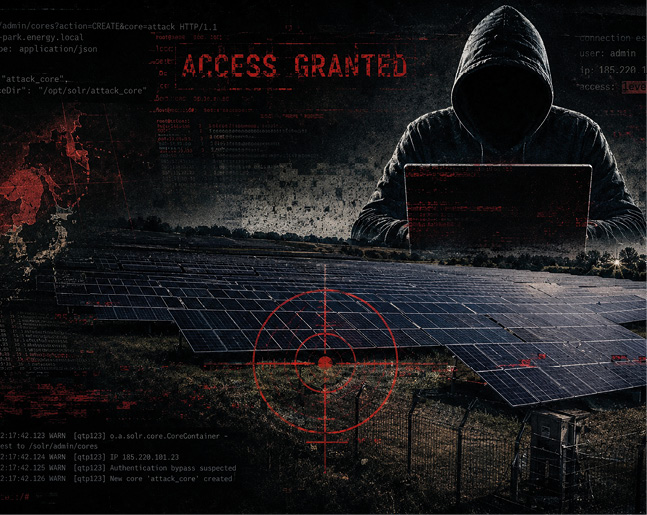
Poland’s Ministry of Energy has published recommendations calling on grid operators to incorporate cybersecurity requirements into grid operation rules and agreements with renewable energy producers and energy storage operators.
Published on Nov. 12, the recommendations are primarily addressed to distribution system operators (DSOs) and the transmission system operator (TSO), with a focus on strengthening the security of solar and wind farms and battery energy storage systems connected to Poland’s power system.
The proposed measures include the use of supported hardware and software, vulnerability management, secure network configurations and separation of operational technology (OT) systems from external networks. They also call for restricting remote access, using virtual private networks and multifactor authentication where technically feasible, and eliminating default passwords and unnecessary administrative interfaces.
 Do you want to strengthen and enhance the cybersecurity of your solar energy assets to safeguard them against emerging threats?
Join us on Dec. 3 for pv magazine Week Europe 2026 | Cyber winter: Is Europe’s solar sector ready for the stress test?
Industry experts will explore real-world cyberattack scenarios, highlight potential vulnerabilities in solar and storage systems, and share practical, actionable strategies to protect your energy assets. Attendees will gain valuable knowledge on how to anticipate, prevent, and respond to cyber threats in the rapidly evolving solar energy sector.
The recommendations emphasize secure communication between renewable energy installations and grid operators, including dedicated communication channels, network segmentation and redundant connections for installations considered critical to grid operations or security of supply.
Under the ministry’s recommendations, significant communication failures should be reported to the relevant grid operator without delay, with connectivity restored within a recommended period of 24 hours, depending on the installation and nature of the disruption.
Source link