This article has been reviewed according to Science X's editorial process and policies. Editors have highlighted the following attributes while ensuring the content's credibility:
TenneT Germany, the largest transmission system operator in Germany, has observed over several years that the frequency in the European power grid dips briefly every 60 seconds. While these deviations were not critical to grid security, they were clearly measurable and unusually regular. The cause of this phenomenon was initially unclear.
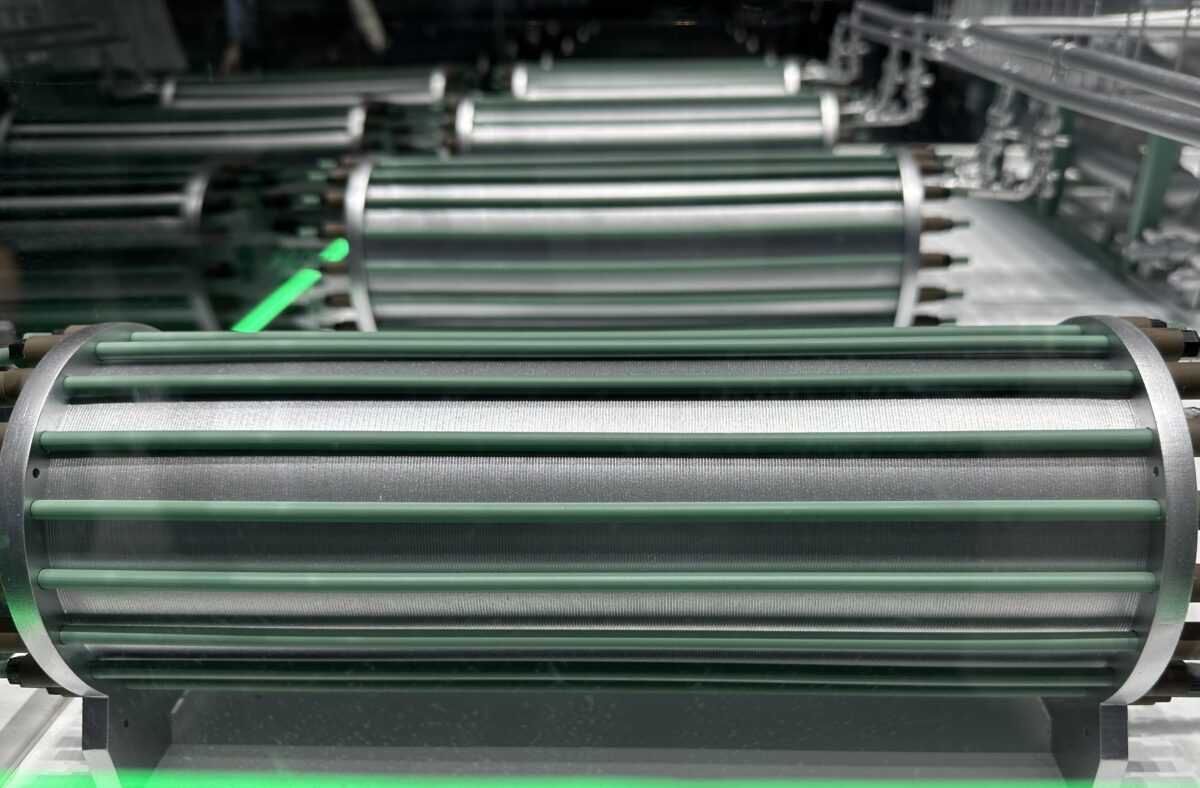
A team from Jülich led by Dirk Witthaut, together with researchers from the University of Cologne and the Karlsruhe Institute of Technology, set out to investigate—and found the answer: The cause appears to be the many large-scale battery storage systems that check their state of charge every minute. This leads to measurable fluctuations in electricity consumption, which can contribute to turbine wear and tear, for example.
The battery storage systems ensure an uninterrupted power supply, and their numbers have increased significantly worldwide in recent years. The researchers found that this was not a European phenomenon but a global one. Their paper is published in the journal Nature Energy.
"It really was years of detective work," says Witthaut. The grid frequency pattern is shaped by many different factors. For example, it reveals the influence of electricity trading, with power plants being switched on and off abruptly, as well as the fluctuating feed-in from renewable energy sources and various other disturbances.
"It quickly became clear to us that the cause must be something controlled by the clock," says Witthaut.
Source link