With new high-efficiency residential and commercial modules and an integrated supply chain spanning polysilicon to power conversion, Mission Solar Energy is making a case for U.S. manufacturing, domestic content and FEOC-compliant sourcing.
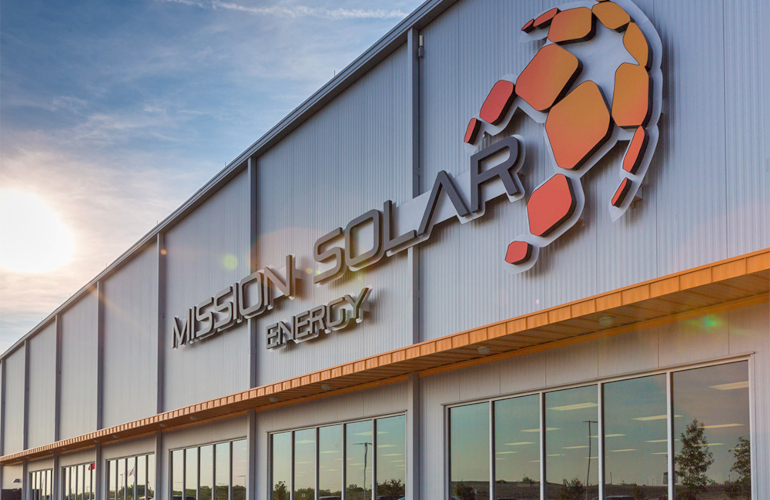
As the solar industry continues to navigate shifting trade policies, domestic content incentives, and supply chain scrutiny, Mission Solar Energy is bringing a message of manufacturing strength and transparency to RE+ 2026. The San Antonio-based manufacturer showcased its latest commercial and residential modules while highlighting the advantages of its relationship with fellow OCI Holdings subsidiaries OCI TerraSus and OCI Power.
The announcement puts the spotlight on a growing priority for solar developers, installers and distributors: knowing exactly where components originate and having the documentation to prove it.
The three companies collectively cover significant portions of the solar value chain. OCI TerraSus produces high-purity, solar-grade polysilicon in Sarawak, Malaysia; Mission Solar designs, engineers, and assembles modules in San Antonio, Texas; and OCI Power manufactures inverters and power conversion systems in South Korea.
According to Mission Solar, all three companies are compliant with Foreign Entity of Concern (FEOC) requirements and are not classified as prohibited foreign entities. The integrated structure offers customers access to a traceable supply chain backed by OCI Holdings, a global clean energy group headquartered in Seoul.
For an industry that’s becoming more and more focused on sourcing eligibility and domestic manufacturing credentials, that positioning could prove commercially important.
On the product front, Mission Solar is highlighting two modules aimed at different market segments.
For commercial and industrial (C&I) applications, the company is featuring its 595W N-Type Bifacial 144HC module.
Source link