Malawi’s Ministry of Energy and the Malawi Energy Regulatory Authority (MERA) have launched a net metering scheme intended at supporting residential PV deployment across the country.
“The new regulatory frameworks would enable households and businesses to generate their own electricity and supply surplus power to the national grid, reducing reliance on conventional energy sources and promoting a cleaner, more affordable and sustainable energy future for Malawi,” said Minister of Energy, Jean Mathanga.
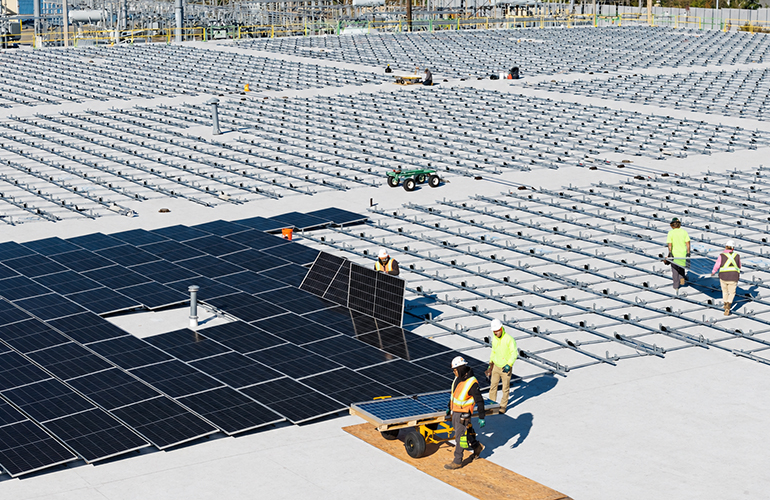
Implementation activities had already commenced in May 2026 under the Electricity Supply Corporation of Malawi (ESCOM). An initial pilot programme is expected to involve 34 eligible prosumers, with a combined generation capacity of approximately 3.9 MW. The United Nations Development Programme (UNDP) has also demonstrated the practical application of net metering through a solar PV installation connected to the national grid.
Although the regulatory framework has been introduced and pilot implementation is underway, the extent of nationwide commercial deployment remains unclear. In particular, the availability of the scheme to all eligible customers, applicable compensation arrangements and detailed administrative procedures require further verification.
Malawi’s electricity sector has historically faced challenges related to grid instability, dependence on hydropower, renewable energy curtailment and reliance on costly diesel backup generation. To address these challenges and facilitate greater integration of renewable energy, the country has recently invested in grid-scale energy storage infrastructure.
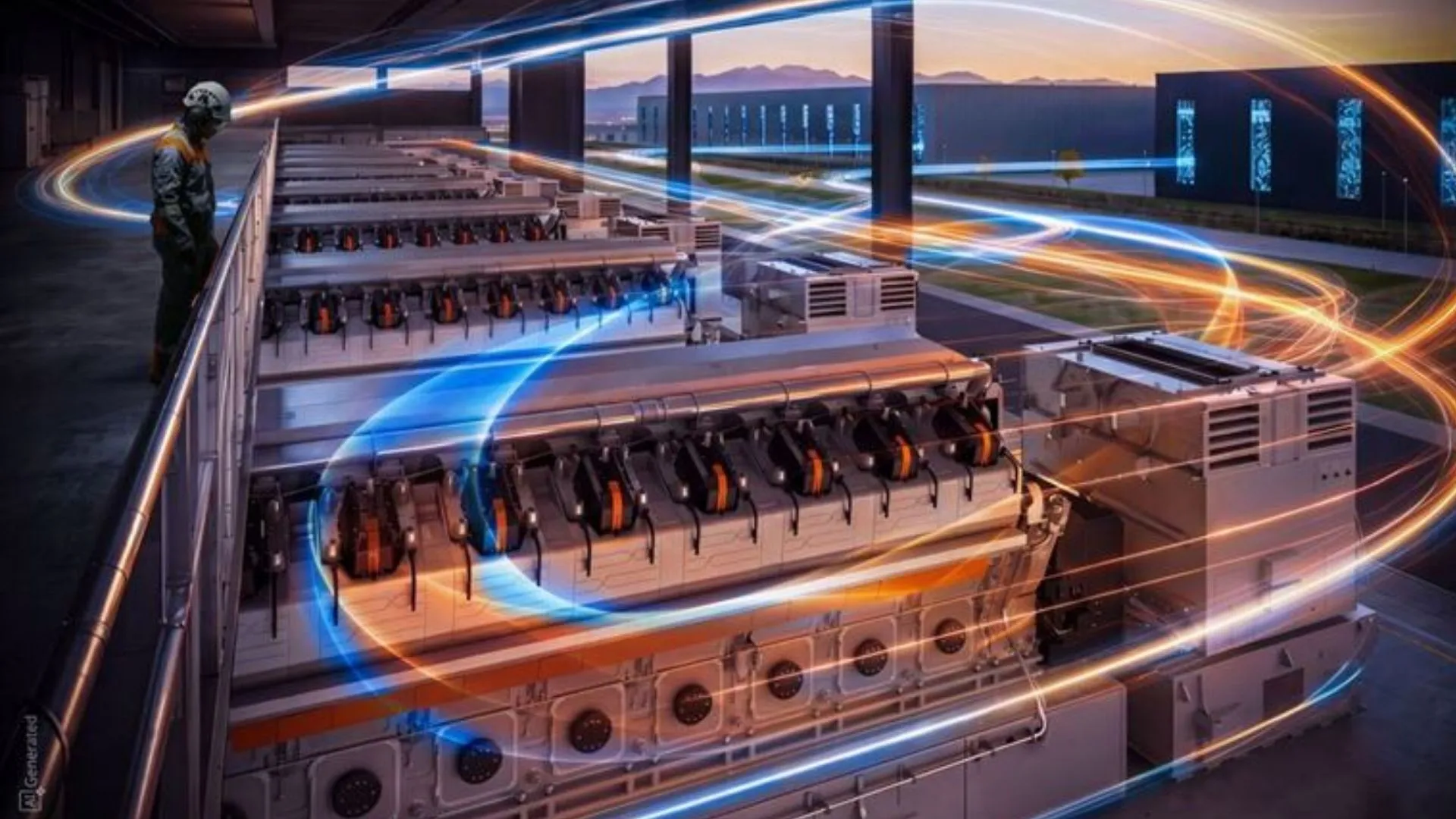
In July 2026, Malawi inaugurated its first utility-scale battery energy storage system (BESS), located in Kanengo, Lilongwe. The facility has a capacity of 20 MW/40 MWh and was developed by ESCOM with support from the Global Energy Alliance for People and Planet (GEAPP), including $20 million in grant financing.
Source link