
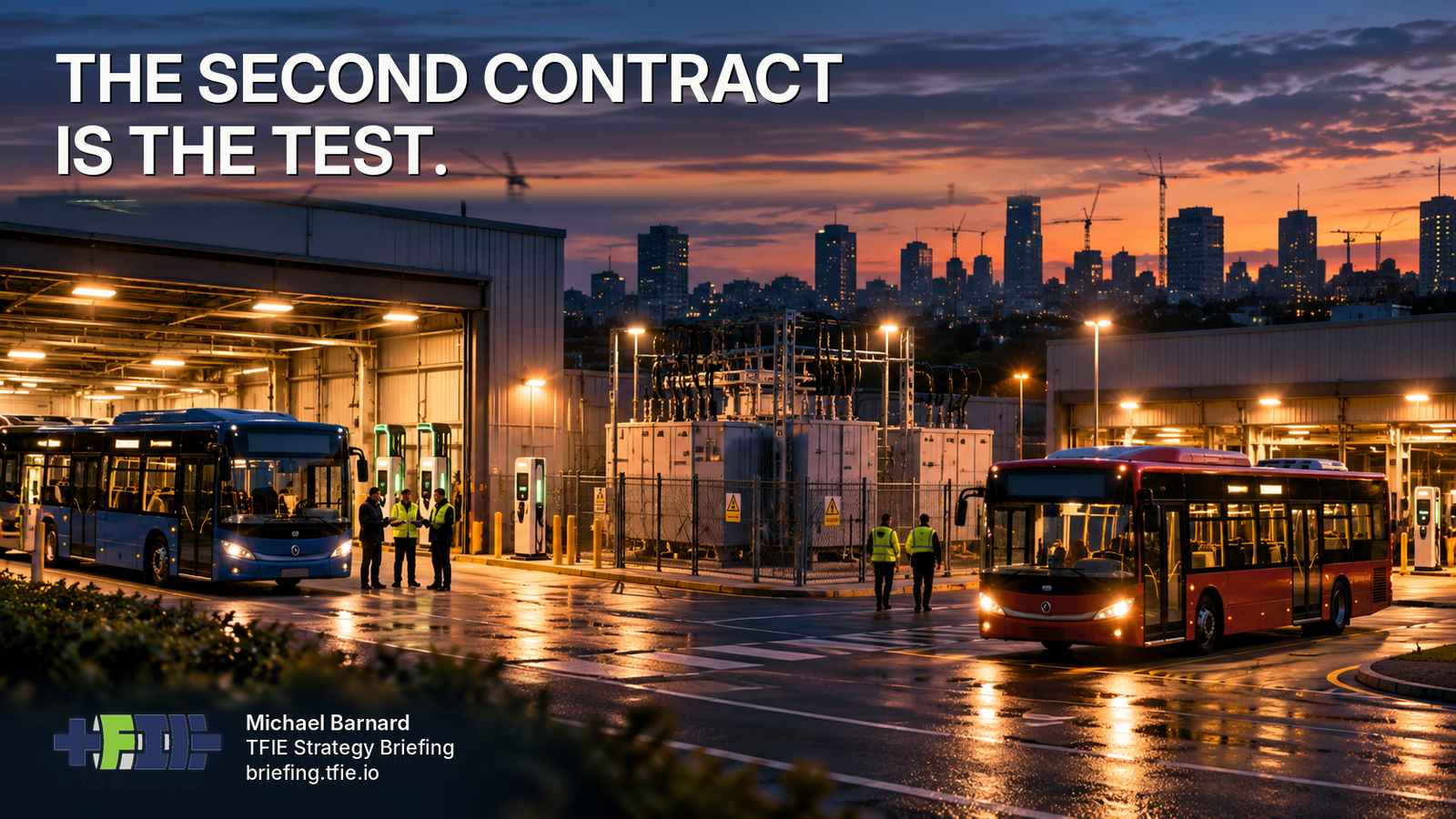
Greater Manchester is entering a new stage of bus franchising. In September 2026, Go-Ahead announced that Go North West had won two Bee Network operating contracts covering 38 routes and approximately 60 buses, with service beginning in March 2027. Eighteen of those routes will operate from a new depot in Leigh. The award is a reminder that operating companies can change while the depots, charging infrastructure and grid connections supporting the passenger network remain in place for decades.
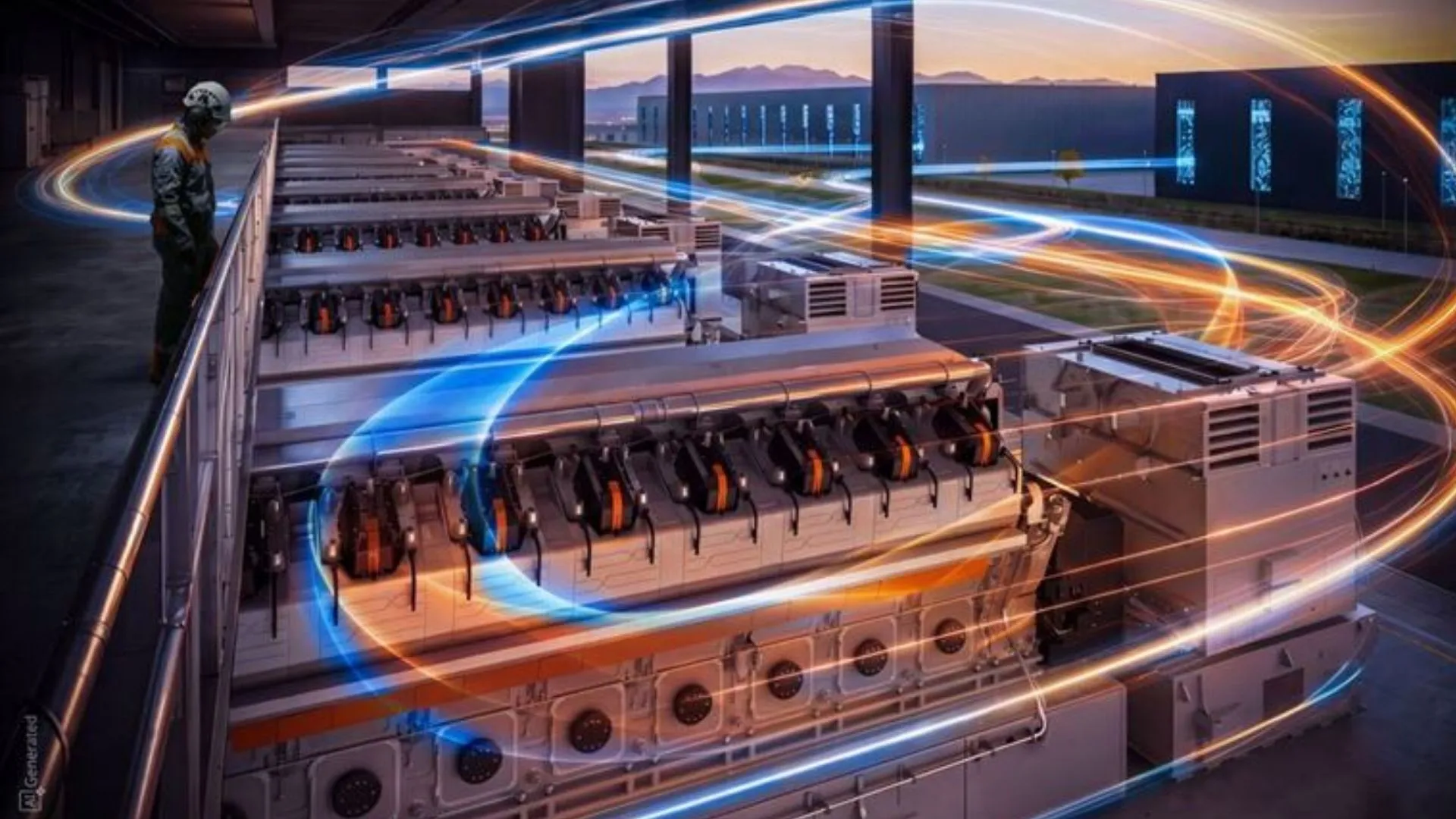
Electric-bus procurement adds a long-lived physical commitment to contracts that are often much shorter. An operating agreement may run for five to seven years. A depot building, substation or multi-megawatt electricity connection can remain useful through several such contracts. Buses can sometimes be transferred between operators, but land, cable routes, electrical capacity and installed charging equipment are tied to particular sites. Those assets need to support the passenger service even when the company responsible for driving the buses changes.
Consider an authority retendering electric-bus routes. The incumbent has used a convenient depot and financed chargers and a substantial grid connection. A competing operator submits an attractive price and a credible operating plan, but has no assured right to use the depot and electricity infrastructure. It might need to negotiate with the incumbent, find alternative premises or secure another grid connection, potentially adding years of work and substantial costs. A nominally competitive tender can become much less contestable once those obligations are included.
South Yorkshire has taken a deliberate approach to this problem.
Source link