
This article has been reviewed according to Science X's editorial process and policies. Editors have highlighted the following attributes while ensuring the content's credibility:
New research from Adelaide University is helping engineers understand how to make hydrogen-powered appliances—including cooktops and ovens—safer and more reliable, supporting the wider uptake of hydrogen as a cleaner energy source compared to natural gas.
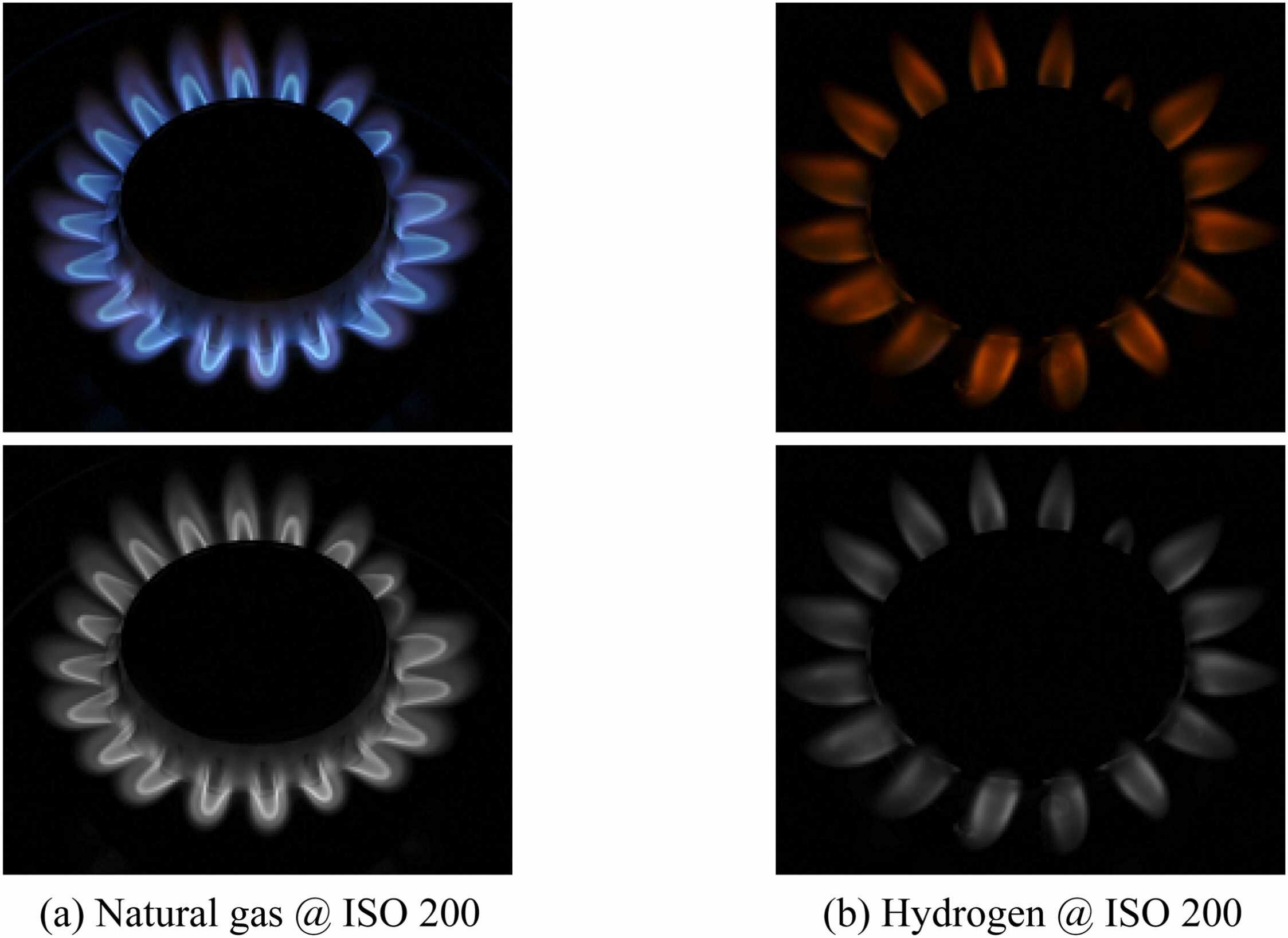
The study, published in Next Energy, has revealed why hydrogen flames can appear bright orange one day and be much harder to see the next—even when the same appliance is operating under identical conditions. The paper is titled "The role of sodium on hydrogen flame visibility in domestic settings."
The key lies in sodium, a naturally occurring element found in tiny airborne particles, including sea salt carried inland by the wind.
Researchers found that sodium in the surrounding air was largely responsible for the orange color often associated with hydrogen flames. When less sodium was present, the flames became significantly less visible.
The findings highlight an important opportunity for engineers developing hydrogen appliances: designing systems that do not rely on flame color alone to indicate that a burner is operating.
Lead researcher Professor Paul Medwell, from the School of Electrical and Mechanical Engineering at Adelaide University, said understanding how hydrogen flames behave in everyday environments was an important step toward making hydrogen technologies more practical for household use.
"Hydrogen has significant potential as part of a lower-emissions energy future, and we need to understand how it behaves in the real world if we want people to be confident using it.
Source link





