
Chemistry is politically agnostic. It can give us wondrous new products, like nylon and Dacron, but it can give us destructive products like napalm and Agent Orange. Here are two stories in the news that came clattering into the teletype machines in the third sub-basement at CleanTechnica world headquarters today.
Mining is not for the faint of heart. Whether you are looking for gold, silver, copper, lithium, or aluminum, you aren’t likely to just find it lying around on the ground, where you can just scoop it up and sell it. More often than not, it is bound to other materials and must be separated out in a series of steps that often involve chemicals.
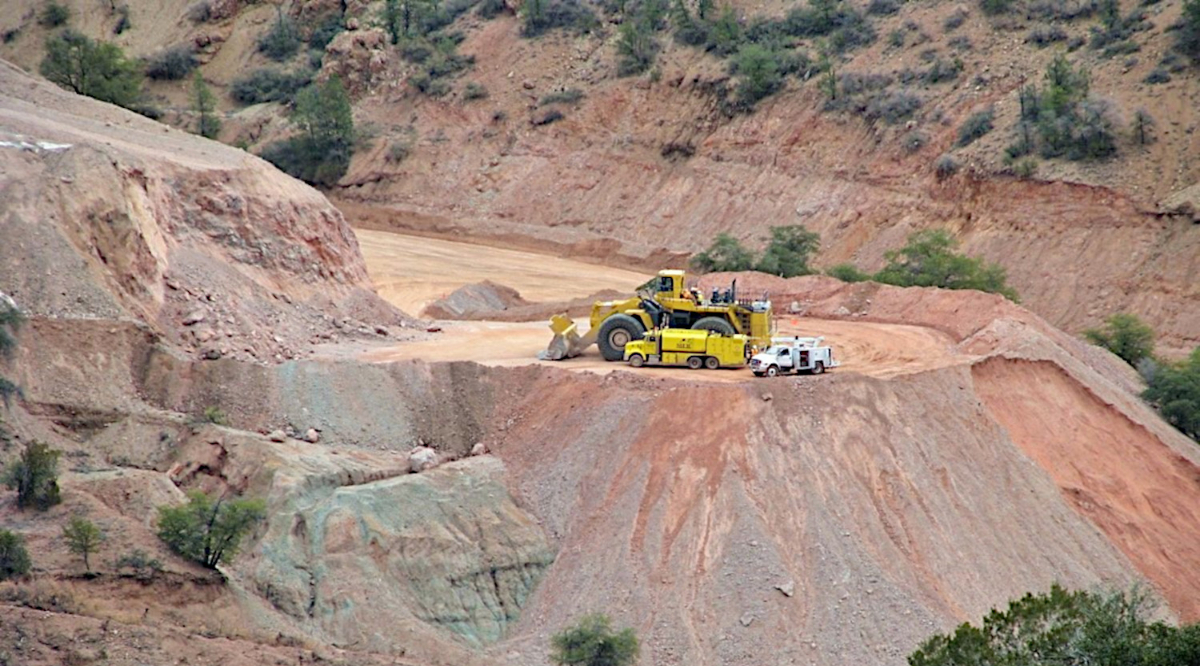
Copper is an excellent example. In the Earth, is is often found in rocks that also contain iron and sulfur. Separating it involves exposing the ore to sulfuric acid. At the Carlota copper mine in Arizona, owner KGHM Polska Miedz uses that method to extract copper from huge piles of rocks larger than ten sports stadiums. The mine has been in operation for a long time, which means there is less copper to be had in the ore, and the costs of extracting it continue to escalate.
Copper is an essential part of the transition to renewable energy and electric transportation. By 2040, the world could face a copper shortfall of 10 million metric tons, according to a report published in January by research firm S&P Global. That is 25 percent less than will be needed to meet the projected demand.
Source link