
When it comes to EV batteries, most of us start with the same questions: How far can I go on a charge? How long will my battery last?
Those are fair questions. But here’s something that might surprise you: powering an EV is only the opening chapter in a battery’s story. An EV battery can continue delivering value long after its life in a vehicle—and to create circularity, its materials can be recovered, refined and used to make new EV batteries.
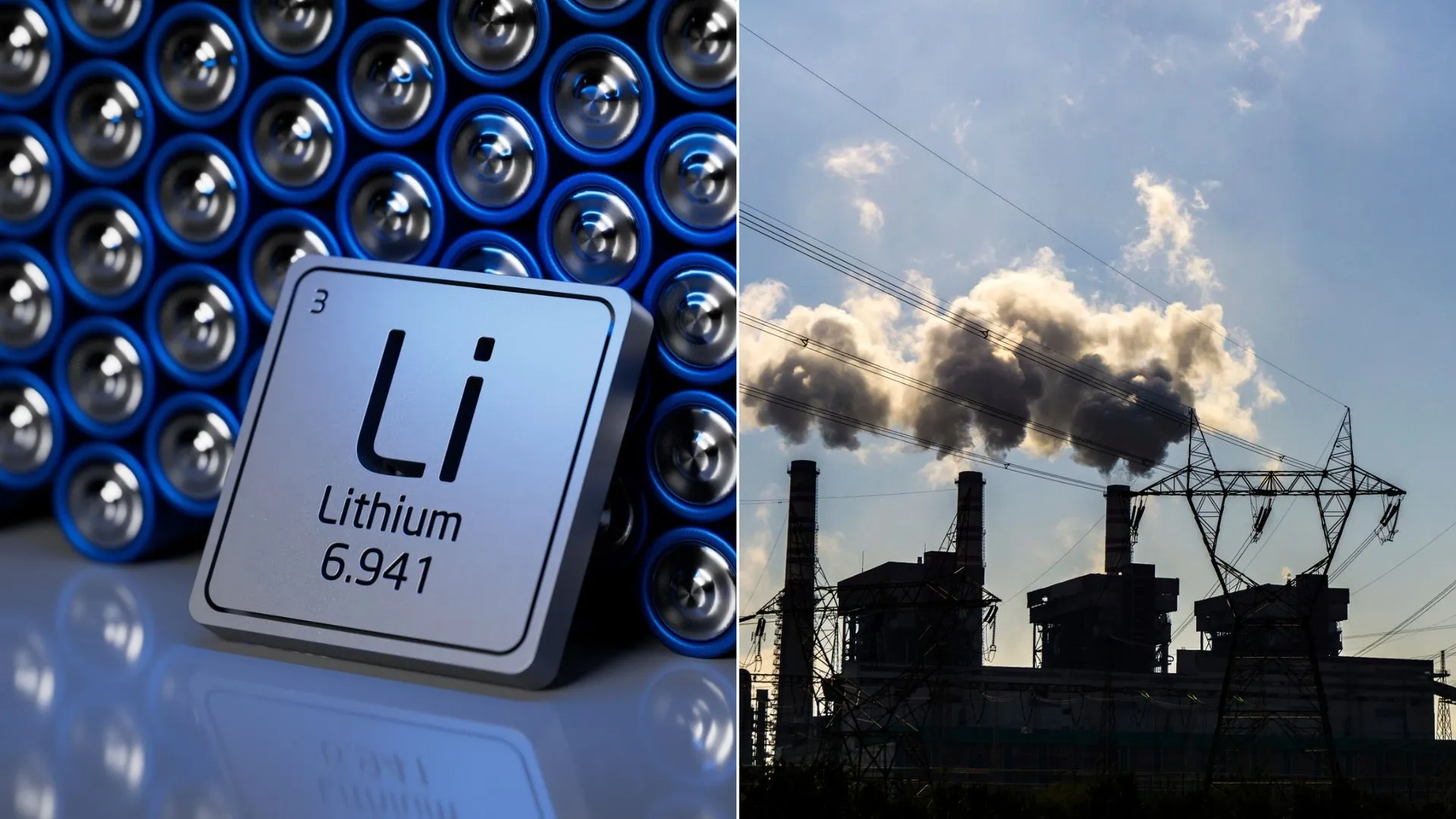
In fact, using today’s technology, recycling processes can recover substantial quantities of critical battery materials—up to 95% for nickel, cobalt, and manganese and up to 80% for lithium, depending on process conditions and battery chemistry. Future advances may enable higher recovery percentages.
That’s exactly how we’re thinking about it at GM, and it’s why we’re celebrating a major milestone: through a closed-loop recycling pilot, materials recovered from end-of-life GM EV batteries were refined and put back into new batteries to power new EVs.
For years, the EV industry has been working toward closed-loop battery recycling. Raw materials are among the largest cost drivers in battery cells, so recovering and reusing them can help support lower-cost batteries over time, reduce reliance on newly extracted materials, and strengthen supply chain resilience.
This month, GM and our partners completed a pilot demonstrating a closed-loop recycling pathway: building our first EVs using battery cells made with 100% recycled nickel, cobalt, and manganese which includes material recovered from end-of-life GM EV battery packs.
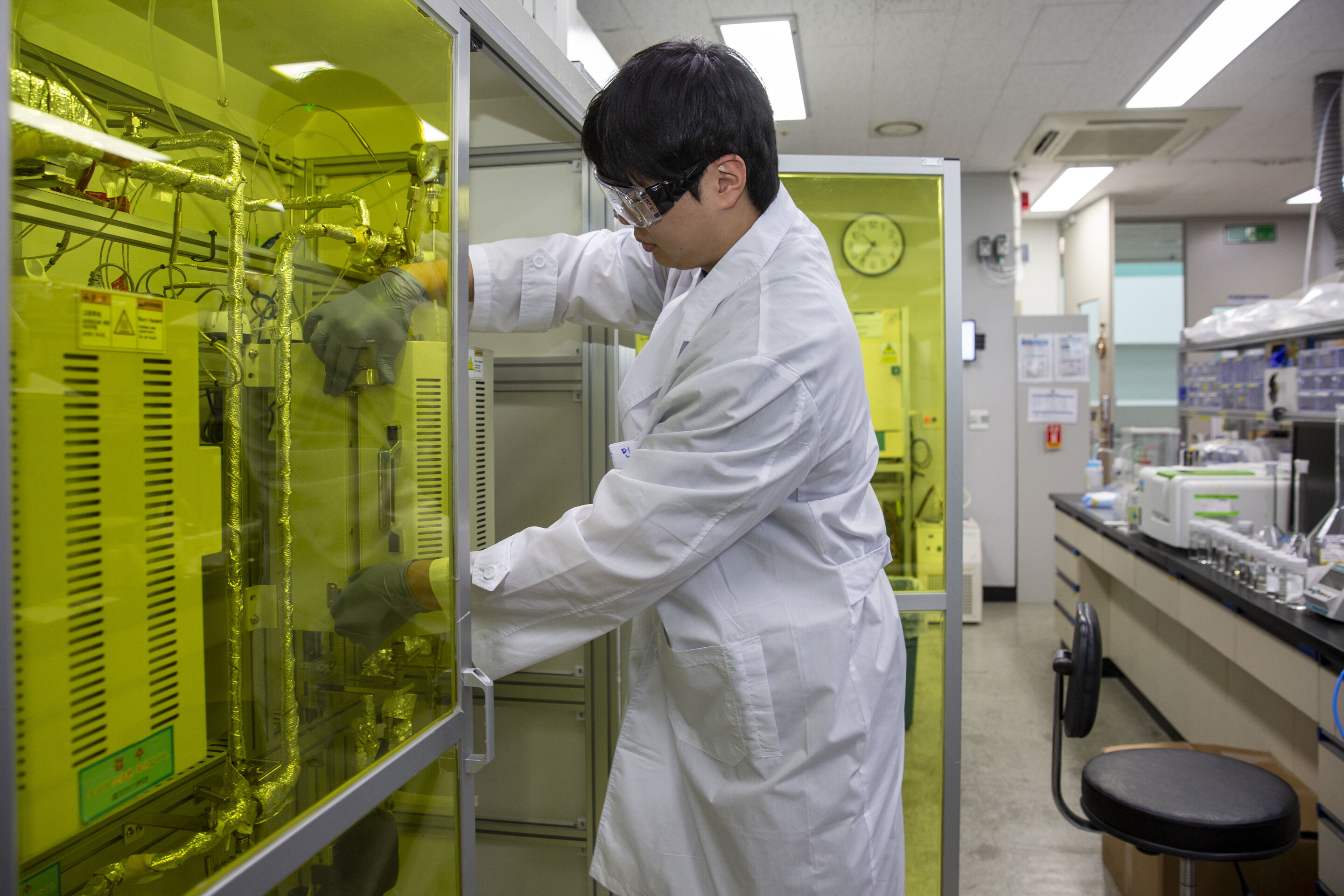
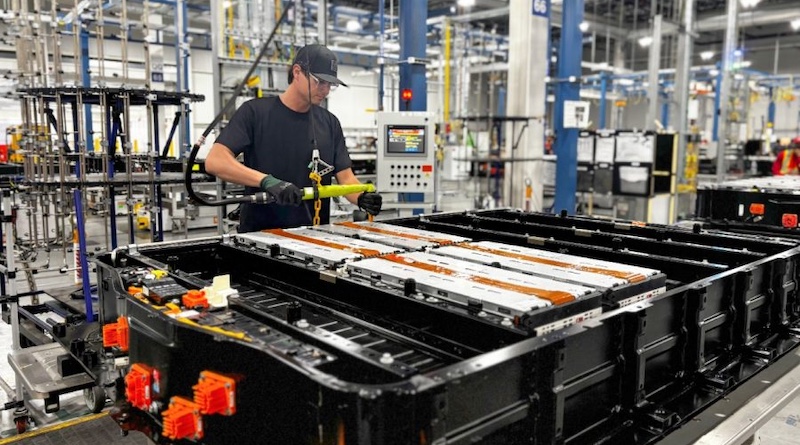
Here’s how it worked: Over the last several years, GM has worked with partners across recycling, materials processing, and battery cell manufacturing to recycle end-of-life batteries and build a pilot pathway for recovering and reusing critical minerals contained in them.
Source link