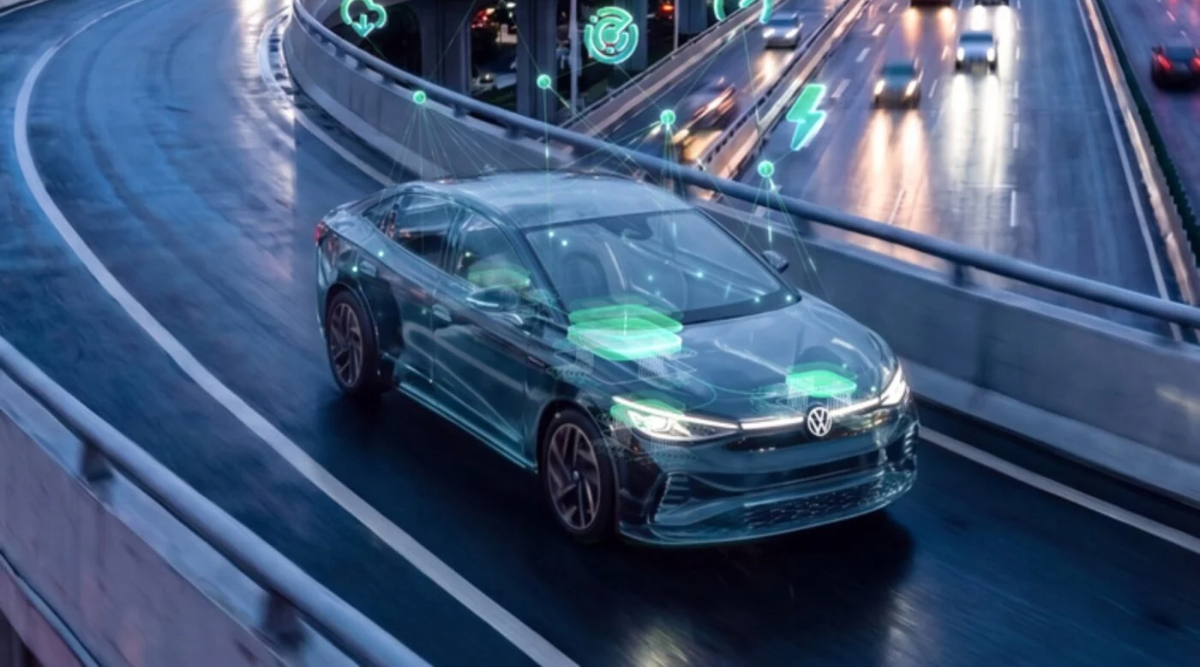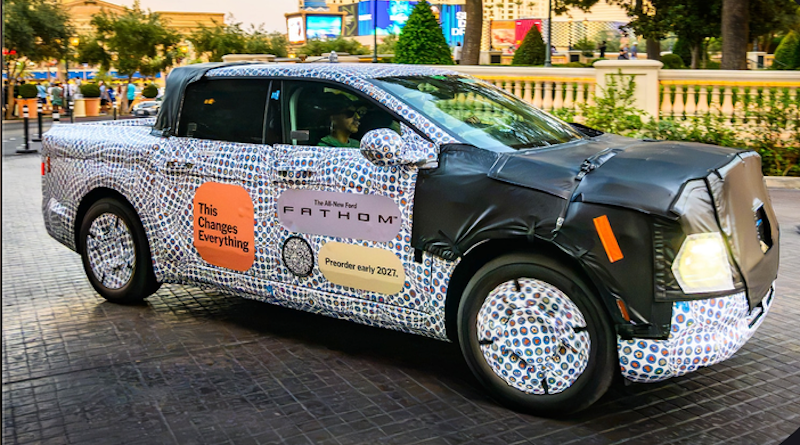


EVs and other electric products are emerging not only as a climate strategy but also as a question of affordability, economic competitiveness, public health, consumer experience, energy security, and resilience to volatile fuel markets.
At 5 a.m., an electric bus glides out of its depot after charging overnight, ready to carry children to school without spewing diesel fumes. As the city stirs, heat pumps have already brought homes and offices to a comfortable temperature, using far less energy than their gas boiler counterparts. By midday, solar power charges delivery vehicles, cools warehouses, and helps factories run their most energy-intensive processes. Then, as millions of people return home and plug in their cars, smart chargers quietly schedule charging for later, when electricity is cheaper and the grid less busy.
Scenes like these are beginning to emerge across the globe: electric buses in Delhi, electric heat pumps warming homes through Norwegian winters, electric trucks entering Chinese freight and construction fleets. The shift to electrification has begun.
Most people will experience this transition not as an energy-system revolution, but as a quieter journey, a more comfortable home, a lower bill, or cleaner air. But taken together, these everyday changes mark an epochal shift in the global economy: from one built on burning fossil fuels to one driven by clean electricity, efficient technologies, and flexible demand.
But what exactly is electrification? How can using more electricity benefit people and the planet? And what happens when millions of new electric vehicles, appliances, buildings, and factories connect to a power system already under strain ?
Source link