
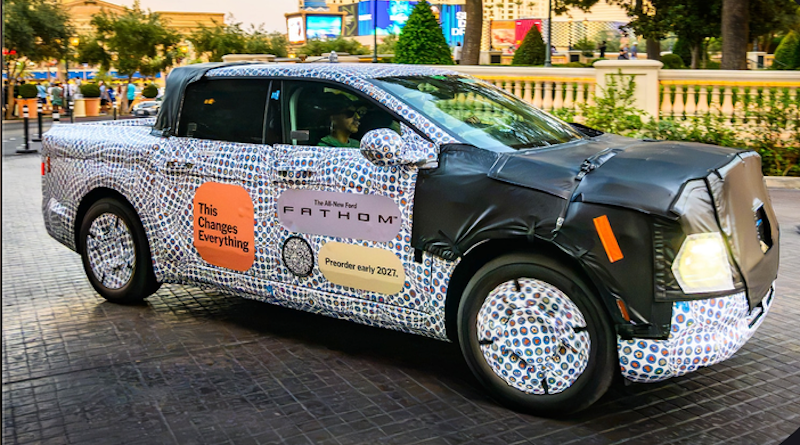
Earlier this week, the Ford Motor Company dropped word that anyone with a home EV charger who buys its new Ford Fathom electric pickup truck will not have to shell out cash for an external, wall-mounted inverter for bidirectional charging. Ford is also slashing the cost of its home EV charging and power management equipment. That’s not all. The automaker is also on a mission to convince all 3,000 utilities in the US and Canada to help accelerate the uptake of bidirectional charging systems.
With bidirectional charging, EVs can do something that gasmobile can. They can feed electricity back into household wiring, transforming themselves into emergency backup generators without the noise, pollution, and fuel cost of gas or diesel generators.
EVs equipped with bidirectional charging can also provide ratepayers with more control over their utility bills. With a home EV charger in hand, ratepayers can recharge their batteries during off-peak periods to take advantage of off-peak discounts, and they can use those discounted kilowatts to power their home during peak periods when rates are higher.
Drivers can also recharge at off-site charging stations that offers discounted rates, and ferry those kilowatts back for use at home.
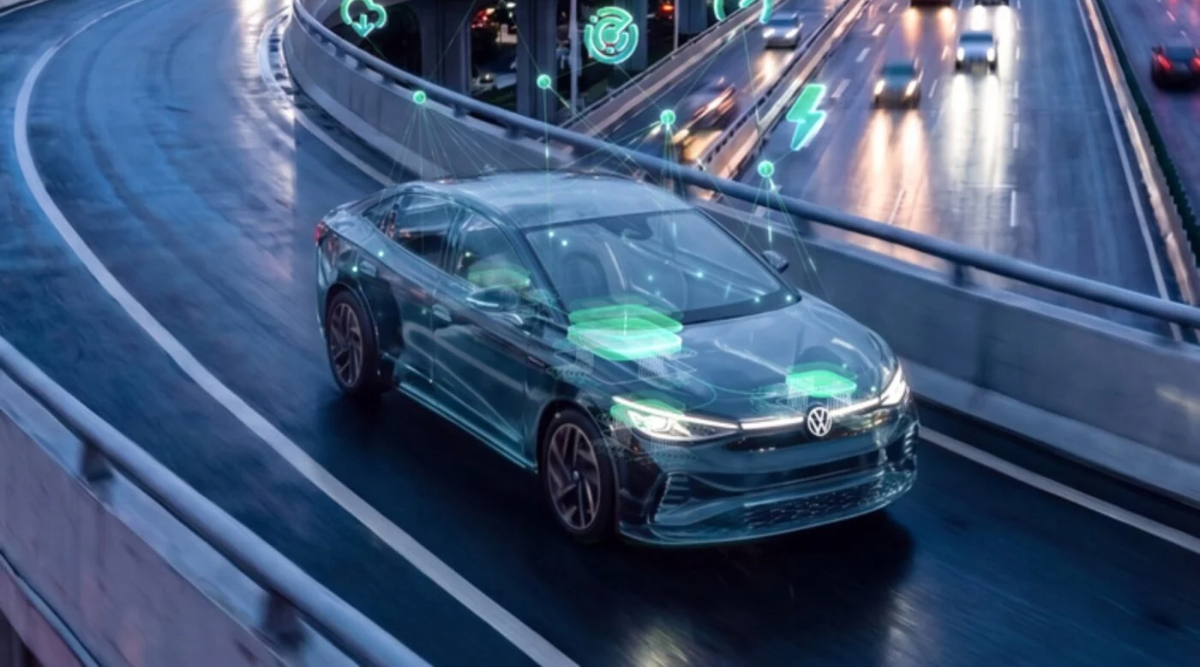
Either way, the home needs to be equipped with an inverter to convert the DC current of an EV battery into the AC current used in buildings.
Or not, as the case may be. As explained by Ford earlier this week, the forthcoming Fathom pickup will come with its own built-in inverter. By eliminating the expense of an external inverter, Ford aims to sweeten the EV affordability pot, and the company has tapped Fathom to showcase the strategy at an MSRP under $30,000 .
Source link