
Ireland’s electricity regulator has put some useful numbers on the country’s future need for grid flexibility. Its first national assessment identifies about 234 MW and 58 GWh of potential upward flexibility requirements on distribution networks in 2028. Batteries, managed EV charging and industrial demand response could all contribute, but the figures become more interesting at the level of individual substations.
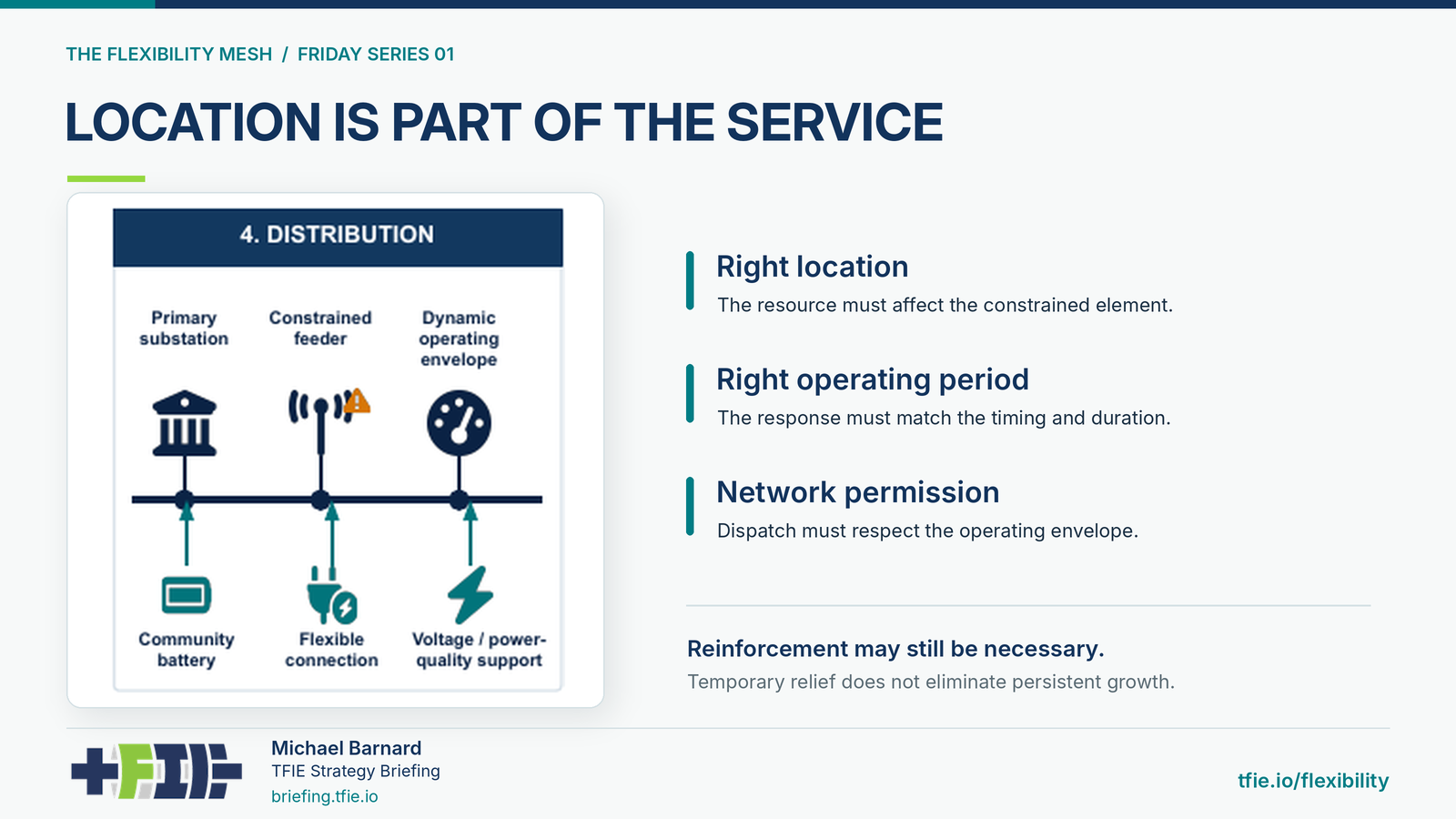
The Commission for Regulation of Utilities’ Flexibility Needs Assessment identifies a potential requirement of 0.6 MW and 3 MWh at the Naas 38 kV/10 kV substation in 2028, concentrated in January. Reinforcement is planned by 2030, when the assessment identifies no corresponding flexibility requirement. This describes a modeled network need, without a commitment to purchase a service or install a battery.
A battery elsewhere in Ireland could provide useful balancing services, help integrate renewable generation and earn revenue in electricity markets while contributing nothing to the particular constraint at Naas. The electrical connection matters. A resource has to change power flows across the affected equipment, in the required direction, during the periods when that equipment is constrained.
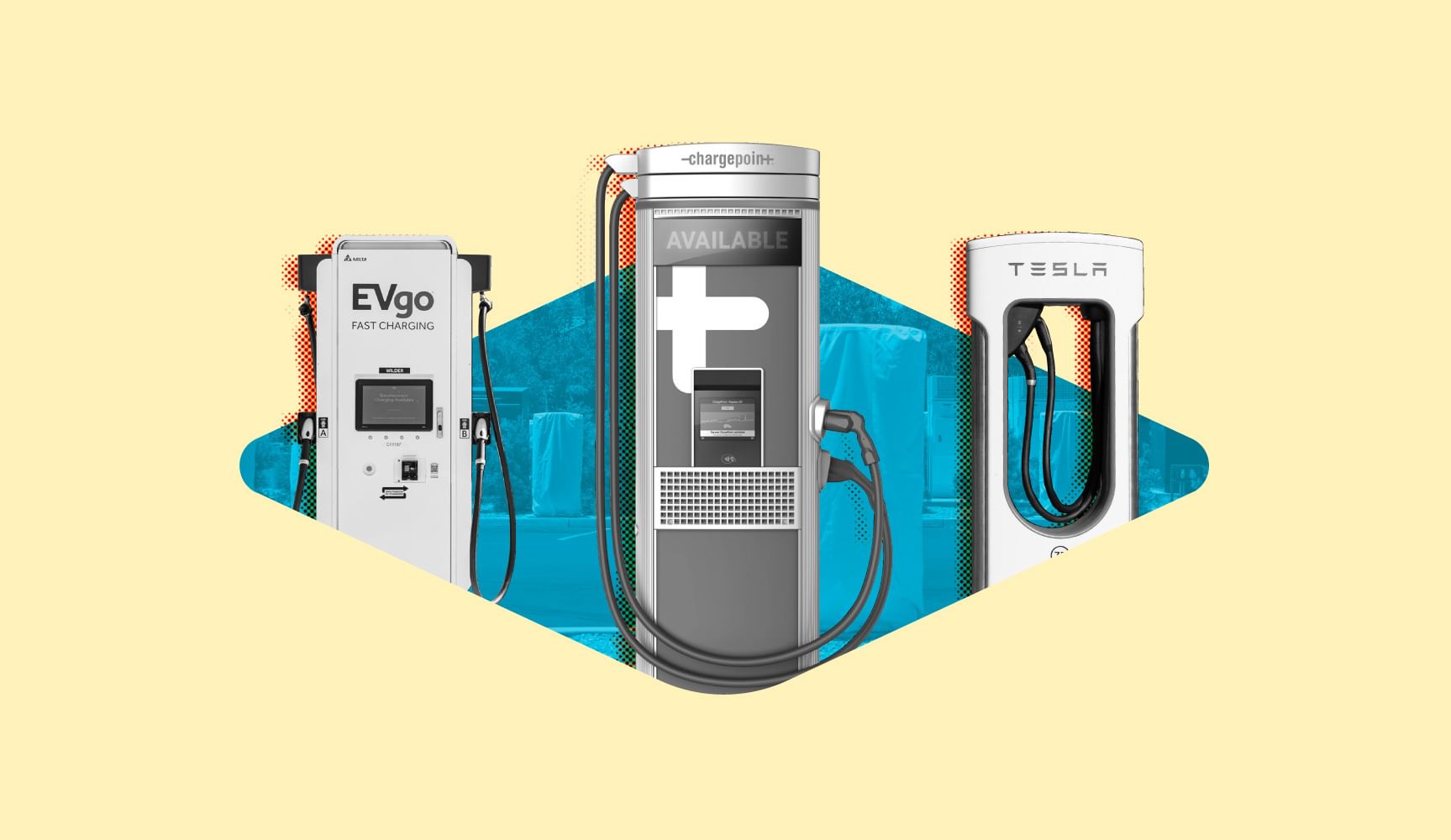
The distinction applies equally to demand response. A large fleet of electric vehicles might represent considerable flexible electricity demand nationally, but only vehicles connected in electrically useful locations can relieve a particular transformer. Their charging must also be adjustable without compromising the journeys they need to make. The same questions apply to refrigeration, heating and other industrial or commercial loads.
Timing adds another complication. 6 MW and 3 MWh figures describe different aspects of the expected requirement.
Source link