Power system managers around the world are increasingly facing significant challenges with expanding and sustaining the integration of solar energy technologies. This is the result of both its variable generation and the rapid pace of market growth. According to the International Energy Agency, the total installed capacity of solar photovoltaics around the world took 40 years to reach more than 1,100 GW of cumulative capacity in 2022. It took only two more years to double that total. Most of this recent growth has occurred in China. In 2024, the country added more than 357 GW of solar power, more than twice the amount of the rest of the world combined. Still, the adoption of solar is growing all over the world. In 2025, 4.5 GW of new solar PV capacity was installed in Africa, representing about 54 per cent increase year-on-year, the Global Solar Council says. However, solar energy development still faces several challenges due to grid problems and land use conflicts.
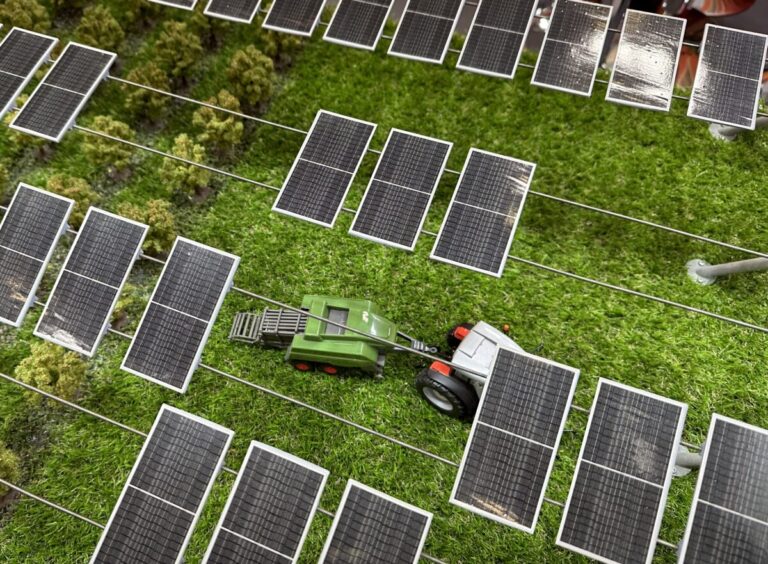
Solar energy is not only a challenge for grid management, it is also adding pressures on other economic sectors. Solar is most productive and cost-effective when installed at utility scale on flat land. This often means that agricultural areas are targeted for solar siting, as they offer productive potential, easy access, and fewer permitting requirements than public lands. This rapid growth of solar PV on farmlands places added pressures on rural areas that are already experiencing fragmentation in agriculture due to urban sprawl . As a result, despite its low-carbon emissions, the energy density of solar PV means that it needs a large land footprint, fueling the argument that the development of PV could severely disrupt food security and supply.
Source link