
For many in North Carolina and Tennessee, 2022’s Winter Storm Elliott lives in infamy. Temperatures plunged well below freezing for days at a time, just as families were gathered at home for the Christmas holiday. The grid couldn’t keep up, and some 1.6 million households lost power in rolling blackouts in those two states alone.
Like Winter Storm Uri in Texas the year before, Elliott was generally understood as a problem of supply: Scores of power plants, mostly gas-burning, failed because of frozen equipment. To maintain future reliability during bitter cold weather, regulators recommended that utilities winter-proof their gas plants and diversify by building more power sources.
But the authors of a new report say that increasing supply isn’t the cheapest way to prevent future winter blackouts across the U.S. South. Instead, the best option is reducing demand — specifically, from the old-fashioned, energy-sucking electric resistance furnaces that are more common in this region of the country than any other.
“Across the 14 states that we looked at in this analysis, there are approximately 8 million households that essentially heat their house with an electric hair dryer,” said Alex Antal, a report co-author and principal at the Regulatory Assistance Project, a global clean energy nonprofit.
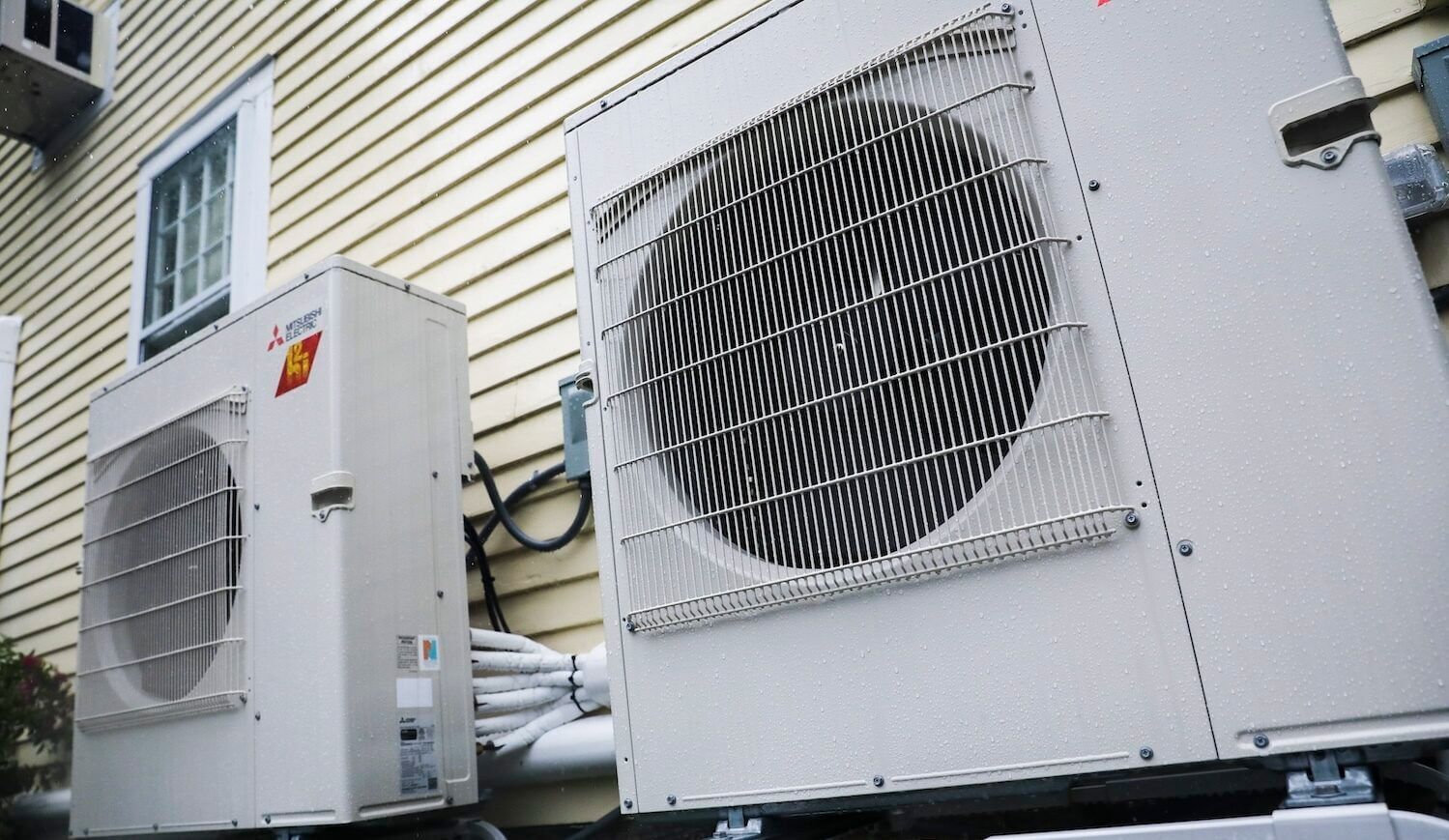
If these homes instead covered most of their heating needs with heat pumps, which are three times more efficient than electric resistance furnaces, it would drastically reduce systemwide electricity demand — and utility bills. In fact, the report finds that heat pump deployment in the region would save as much power as that produced by 100 “ peaker” plants, which are dispatched only when demand climbs high enough and are among the most expensive units on the grid.
Source link





