This article has been reviewed according to Science X's editorial process and policies. Editors have highlighted the following attributes while ensuring the content's credibility:
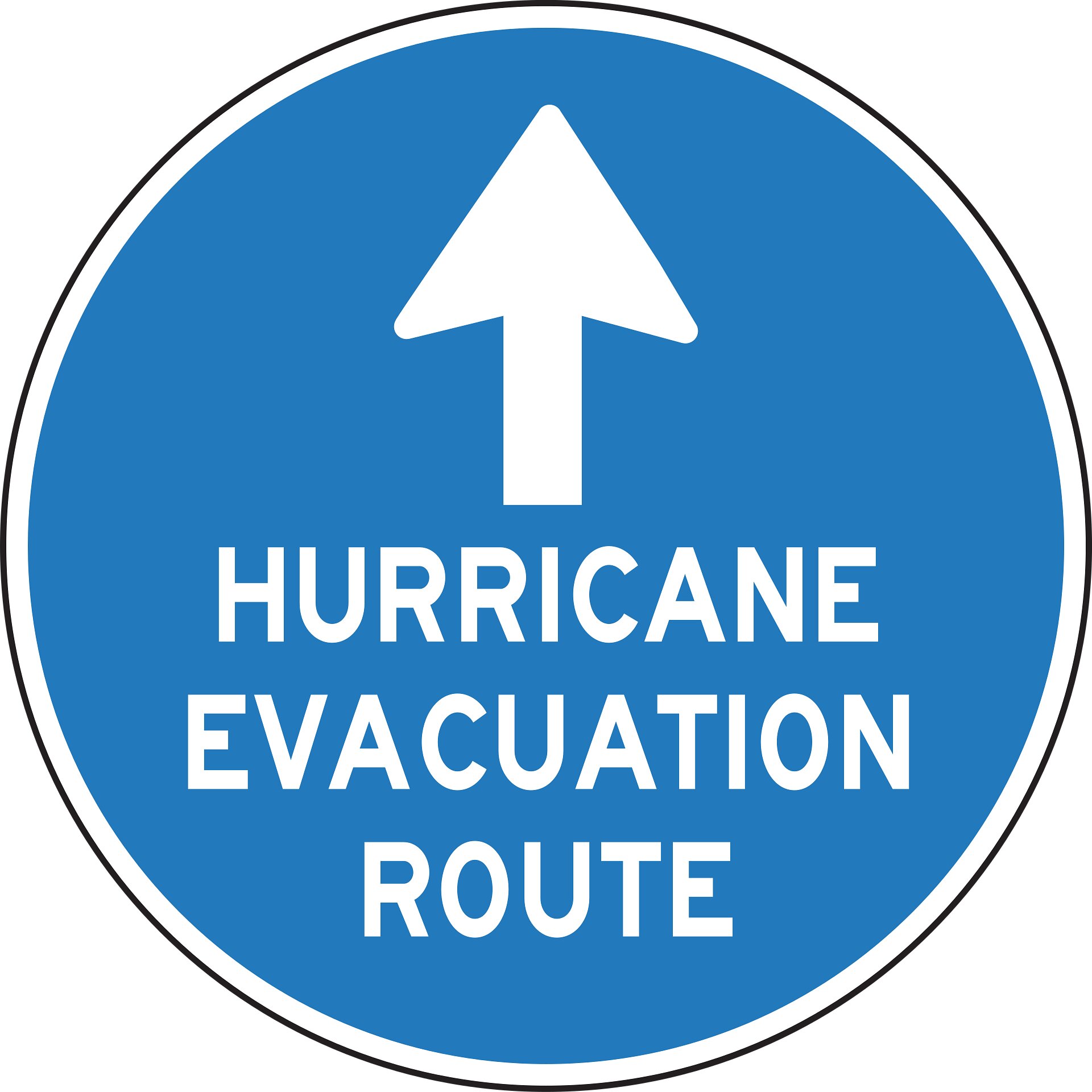
When natural disasters like wildfires or flooding strike, thousands of people may be told to pack their belongings into their cars and evacuate. Emergency planners base evacuation strategies on the assumption that people are driving gas-powered cars that can be refueled at any gas station—but with more people driving electric vehicles (EVs), new challenges arise.
That's why a team of researchers at the University of California, Santa Cruz, UC Berkeley, UC Davis and UC Merced published a study in IEEE Electrification Magazine that outlines key challenges and recommendations for city planners to best support EV drivers during an evacuation. Challenges include the limited network of EV chargers and the vulnerability of the chargers that do exist to power outages, while opportunities for improving community readiness include EV-friendly evacuation routing and strategic positioning of mobile charging ports before a disaster strikes.
To study EV evacuation readiness, a team of researchers across several UC campuses came together, bringing expertise in electrical engineering, mechanical engineering, traffic theory and renewable energy. Keith Corzine and Leila Parsa, professors of electrical and computer engineering at the Baskin School of Engineering, contributed expertise in power and energy systems and EVs.
The team set out to understand how the growing number of EV drivers might be impacted during natural disaster evacuations. They were particularly motivated by wildfires, with Santa Cruz having recently experienced the 2020 CZU Lightning Complex fire that burned more than 85,000 acres (344 square kilometers), but the research applies to any natural disaster, including earthquakes and flooding.
Source link