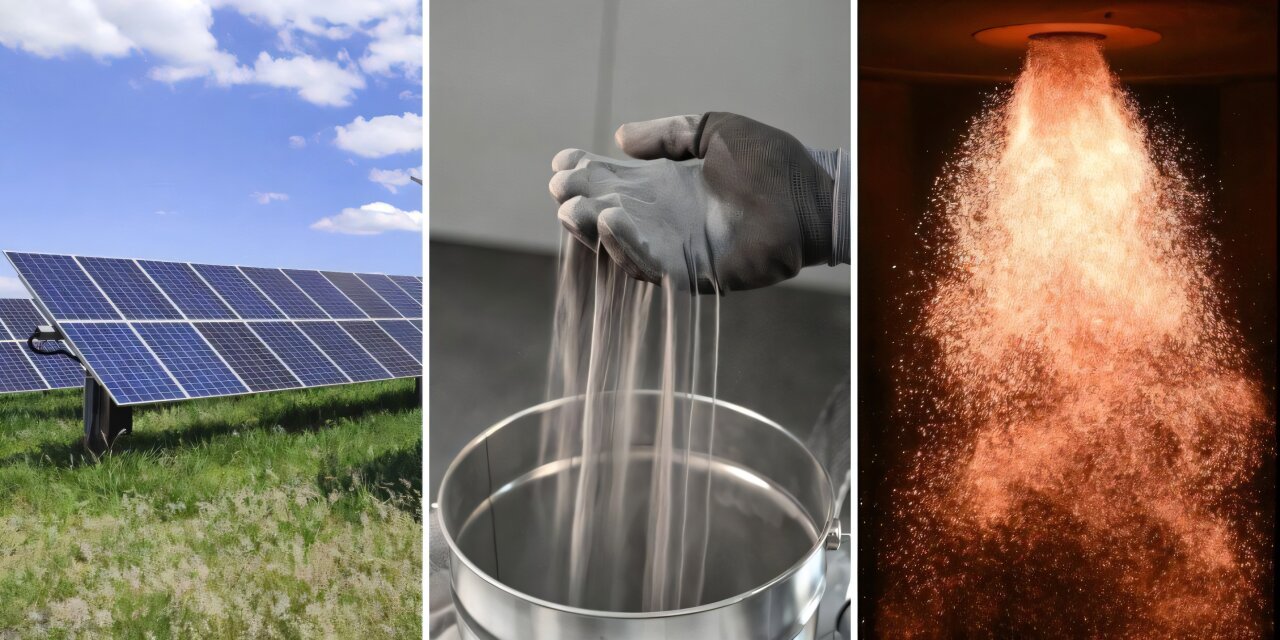


California startup Voya Energy announced a $35 million financing round in August 2026 for generators that use prepared scrap aluminum, air and water to produce electricity without combustion. Its immediate opportunity includes replacing diesel backup equipment at data centres, where exhaust, noise and permitting can be genuine obstacles. The company also describes a larger market for firm power at grid-constrained sites, including systems operating around the clock. The electrochemistry is established, but delivering competitive electricity requires a materials supply chain that the generator specifications do not describe.
An aluminum–air cell consumes aluminum. It does not accept electricity through a charging cable and return to its original chemical state. Aluminum reacts with oxygen and water, producing electrical energy and aluminum hydroxide, sometimes called aluminum trihydrate. The generator needs more metal when the fuel is spent, and the hydroxide has to be collected, transported and either sold into another market or processed further. The aluminum brought to a data centre already embodies substantial electricity used earlier to turn aluminum compounds into metal. That upstream energy belongs in the assessment.
I encountered the same supply-chain issues when I examined Wright Electric’s aluminum–air aircraft proposal in 2021. Prepared aluminum would have needed delivery to airports, followed by collection and processing of spent material. Data centres avoid the aircraft weight constraint, while retaining the need for deliveries of prepared fuel and industrial handling of reaction products.
The operating schedule determines the size of that problem. Voya’s August announcement emphasizes diesel replacement while also describing larger, continuously available power installations.
Source link