
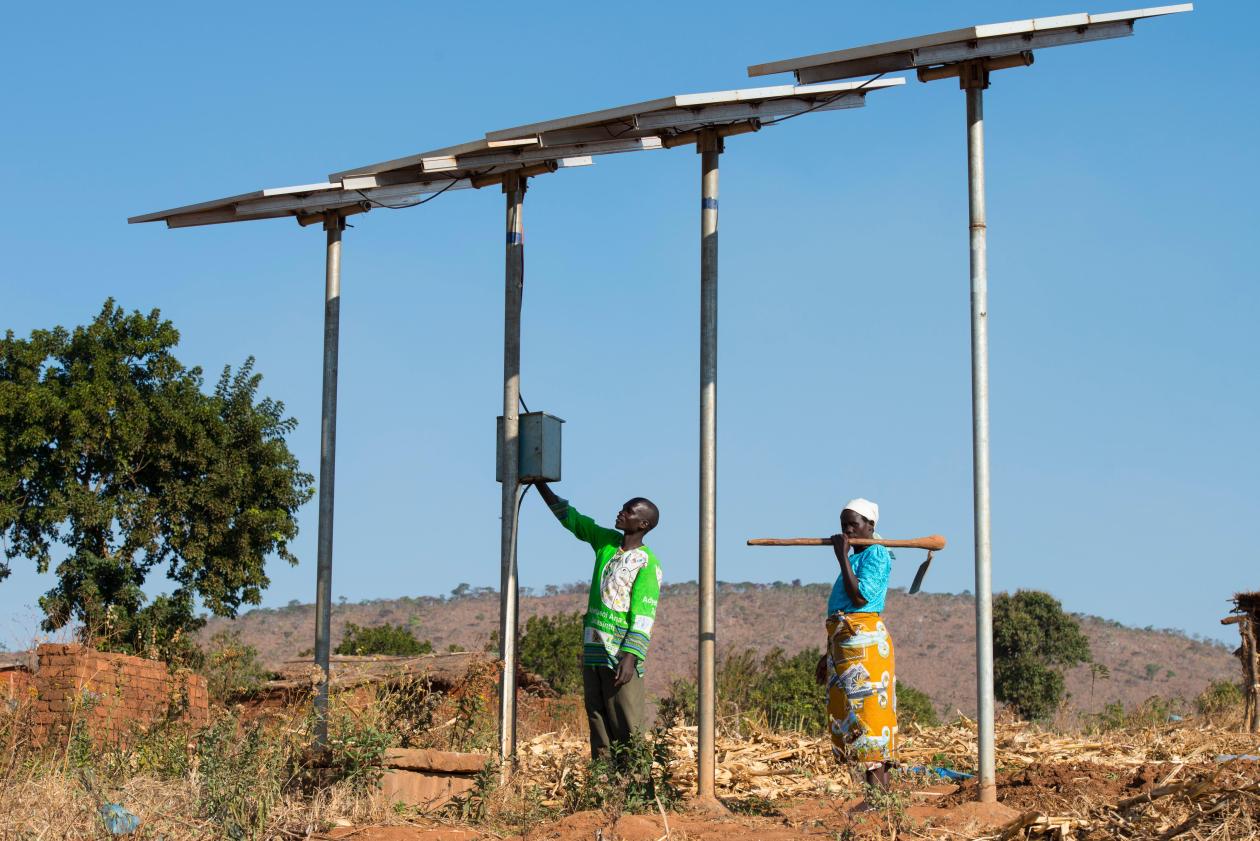
Global tracking of energy access should expand beyond connections to include affordability, reliability, adequacy, and development outcomes.
Access to energy is a cornerstone of development—it can improve health, education, incomes, and overall quality of life.
But access is only the first step. A health clinic can’t perform surgery if frequent power cuts make its equipment unreliable. An electric irrigation pump is unlikely to raise a farmer’s income if crops can’t reach buyers. And a small business may gain little from electricity if it lacks financing to buy the equipment it needs to expand.
For energy to improve people’s lives, it must be affordable, sufficient, and reliable—and people and businesses must be able to put it to productive use.
The United Nations Sustainable Development Goal 7 (SDG 7) calls for “universal access to affordable, reliable, and modern energy services” by 2030. But the two indicators used to track its universal-access target focus only on whether people have access to electricity and whether they primarily rely on clean fuels and technologies. They do not address reliability, affordability, or economic impacts.
Other approaches already offer a fuller picture. The World Bank’s Energy Sector Management Assistance Program developed the Multi-Tier Framework to measure electricity access beyond connections, including whether electricity is available when needed, adequate for the equipment people want to use, reliable and affordable. ’s official global indicators.
Source link