
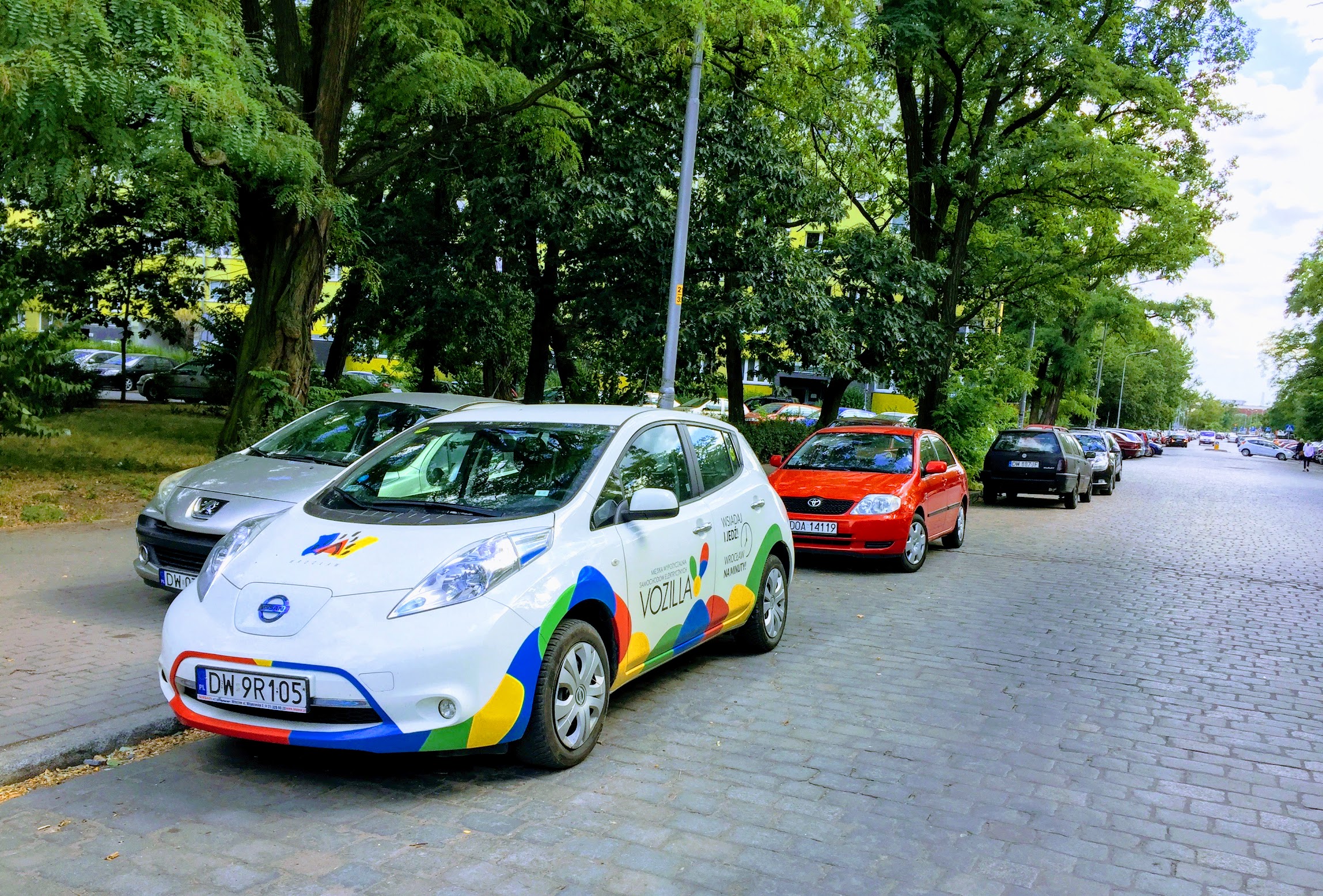
Social leasing could soon change in scale, name, and business model. The bill introduced by MP Christine Arrighi aims to create a public service offering one million “low-cost electric vehicles” (ALM). Scheduled for December 3rd in the National Assembly, its examination is expected to place at the heart of the debate a now crucial question: how to make social leasing sustainable and widespread?
Several presidential candidates have made reaching one million vehicles (or even more) one of the hallmarks of their campaigns¹. While this convergence is excellent news, the battle of figures says nothing about how to achieve this goal.
The current system cannot simply be scaled up twentyfold. Its cost per vehicle, intermittent financing, imperfect social targeting, lack of a guaranteed solution after three years, and the resale risks borne by dealerships are all structural limitations. The 2026 edition also revealed its dependence on Renault and Stellantis, which can at any time restrict volumes to favor more profitable traditional sales.
The proposed law changes its approach. Sponsored by MP Christine Arrighi, it draws inspiration from the proposals of T&E France and Bernard Julien, stemming from their study on the future of social leasing, published in June 2026.
In this new model, the government would directly purchase the vehicles at an average net cost of €15,000. These vehicles would be kept for twelve years in a public fleet and leased successively to one or more households for an average monthly rent of €150 before being resold. The day-to-day management of the fleet would be delegated to groups of public or private operators within the local areas.
Source link