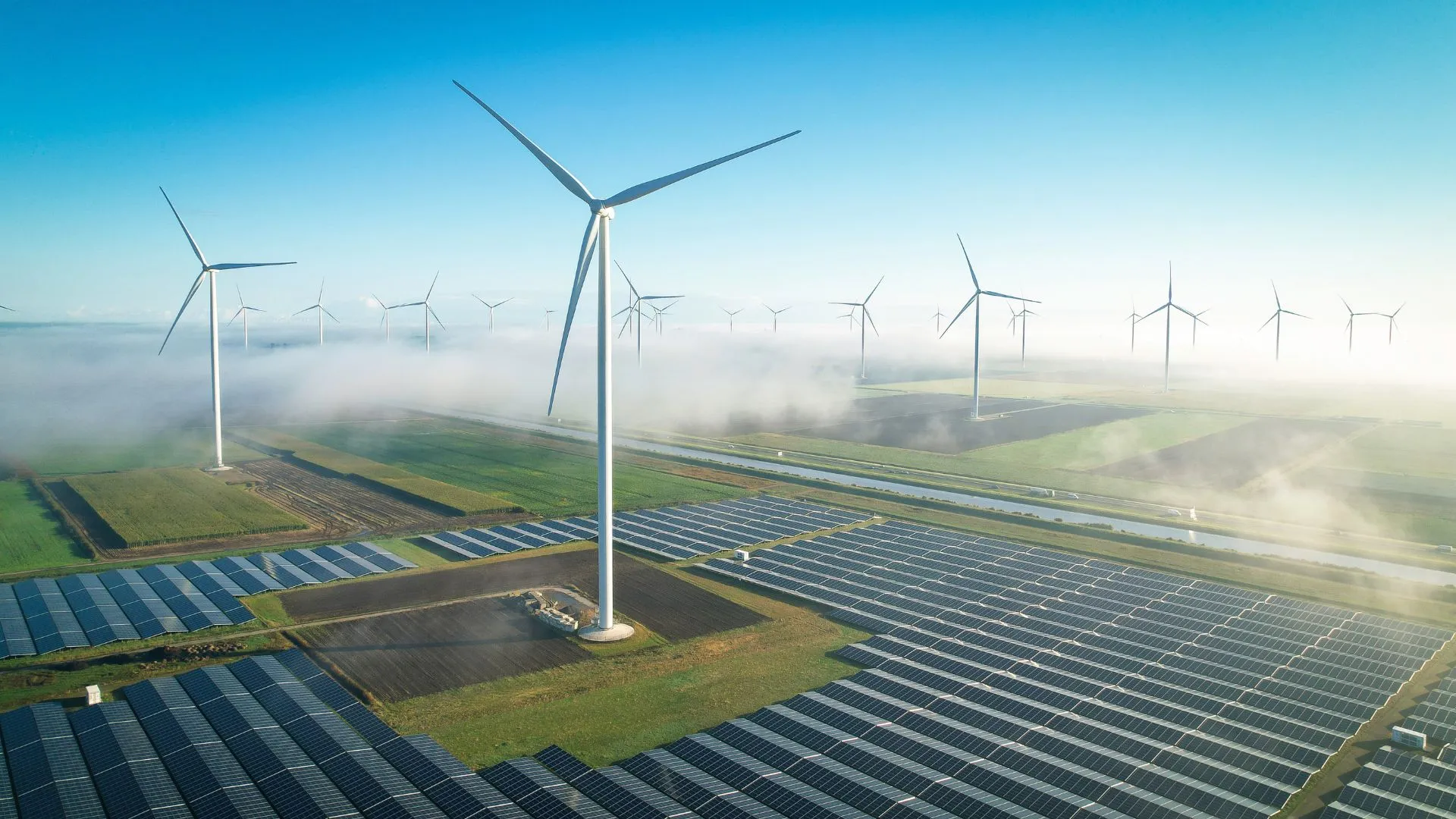
A new report has revealed that energy-importing countries are scaling clean energy generation three times faster than exporters. The disruption to energy supply through the Strait of Hormuz is reinforcing governments’ determination to reduce dependence on imported oil and gas, according to the tenth edition of DNV’s Energy Transition Outlook.
At the same time, exporting countries outside the Middle East are increasing production to compensate for disrupted supplies, whilst their own decarbonization journeys are increasingly slower compared to the rest of the world.
7 percentage points in exporting regions. This means China, India and Europe have collectively shifted towards non-fossil energy more than three times as fast as the Middle East, North America and Russia, according to the report. “Energy security is redrawing the map of the energy transition,” said Ditlev Engel, CEO – Energy Systems at DNV. “Importing regions are accelerating electrification, renewables and storage to reduce their exposure to the most insecure fossil-fuel markets. Exporters, meanwhile, are responding to today’s shortages by increasing investments and production. ” The disruption to the Strait of Hormuz has strengthened incentives for importing countries to diversify supply and reduce their exposure to oil and gas, increasing the long-term risks facing fossil-a exporters. DNV’s new forecast sees the Middle East supplying around 40% of global oil production in 2050, compared with 50% in last year’s outlook, according to a press release. An additional DNV sensitivity analysis examines the impact of the Middle East conflict continuing until 2030, with oil and gas prices remaining moderately elevated during that period.
Source link