Researchers at the Liten research institute of the French Alternative Energies and Atomic Energy Commission (CEA) have investigated how increasing PV system voltage affects potential-induced degradation (PID) in solar modules, focusing on the relationship between encapsulant electrical conductivity and module performance.
The scientists said this is the first study to investigate PID in passivated emitter and rear cell (PERC) solar modules at voltages as high as 6,000 V and to identify partial-discharge-induced electrical treeing as an additional degradation mechanism in medium-voltage PV modules. “PERC modules were chosen even though they are progressively being phased out; this cell technology has been well studied and is therefore a logical choice for investigating medium-voltage degradation phenomena,” they explained.
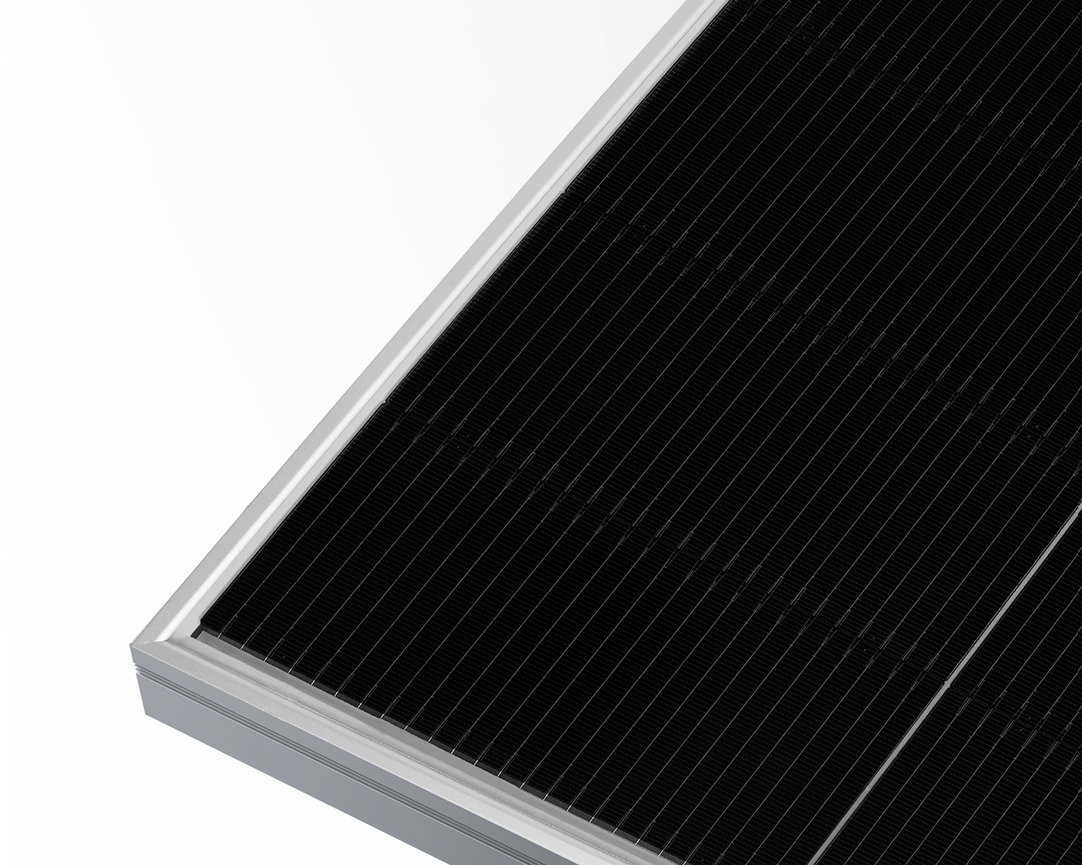
Their analysis considered four encapsulant materials – ethylene-vinyl acetate (EVA), polyolefin elastomer (POE), thermoplastic polyolefin (TPO), and ionomer – under controlled electric field, temperature, and humidity conditions. For the tests, they used 20 cm × 20 cm glass-glass PV mini-modules, each containing a half-cut bifacial PERC cell.
Conductivity was measured using a parallel-plate electrode configuration with gold-coated polymer samples, applying voltages of up to 3,000 V through alternating two-hour polarization and depolarization cycles. The researchers conducted two experimental campaigns. The first examined PID at 1,500 V, 3,000 V, and 6,000 V using nine TPO-based modules, while the second compared the PID resistance of the four encapsulants at 3,000 V. All modules underwent accelerated aging for 96 hours at 85 C and 85% relative humidity.
Current-voltage (I-V) measurements under standard test conditions were performed before and after aging to quantify electrical performance losses on both sides of the bifacial modules.
Source link