This article has been reviewed according to Science X's editorial process and policies. Editors have highlighted the following attributes while ensuring the content's credibility:
Solid oxide electrolysis (SOEC) requires less electricity than any other technology to produce hydrogen from water. However, it places high demands on the materials used. In a new review article, researchers at the Department of Chemistry and Chemical Engineering have brought together current knowledge in the field, focusing on a key component, and explored possible solutions to the materials challenges that limit the efficiency and lifetime of these systems.
Hydrogen could provide an alternative to fossil fuels in heavy industry. Developing sustainable technologies for hydrogen production therefore has an important role to play in the green transition.
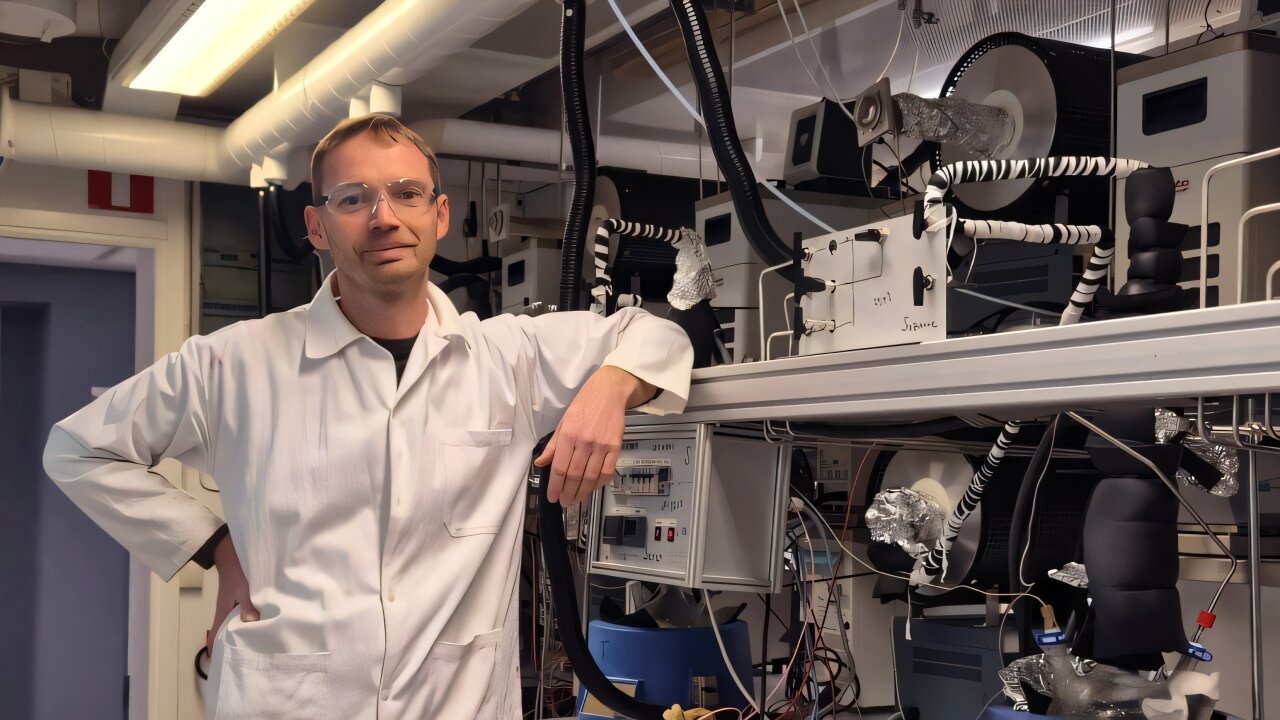
"We see a major challenge in developing SOEC systems that operate efficiently while also being commercially viable. More work is needed. A review article can help build knowledge within the research community, particularly among researchers who are new to the field," says Jan Froitzheim, professor at the Department of Chemistry and Chemical Engineering at Chalmers University of Technology.
SOEC systems use electrolysis to convert steam into hydrogen and oxygen. The process requires considerably less electricity than other electrolysis technologies. The electrolysis cells are connected to form a cell stack, and the durability of key components within the stack is crucial to its performance. Particularly important are the metallic interconnects, which connect the individual cells while keeping the hydrogen and oxygen separated.
Although the steel used for the plates is designed to withstand high temperatures, it gradually corrodes during operation.
Source link