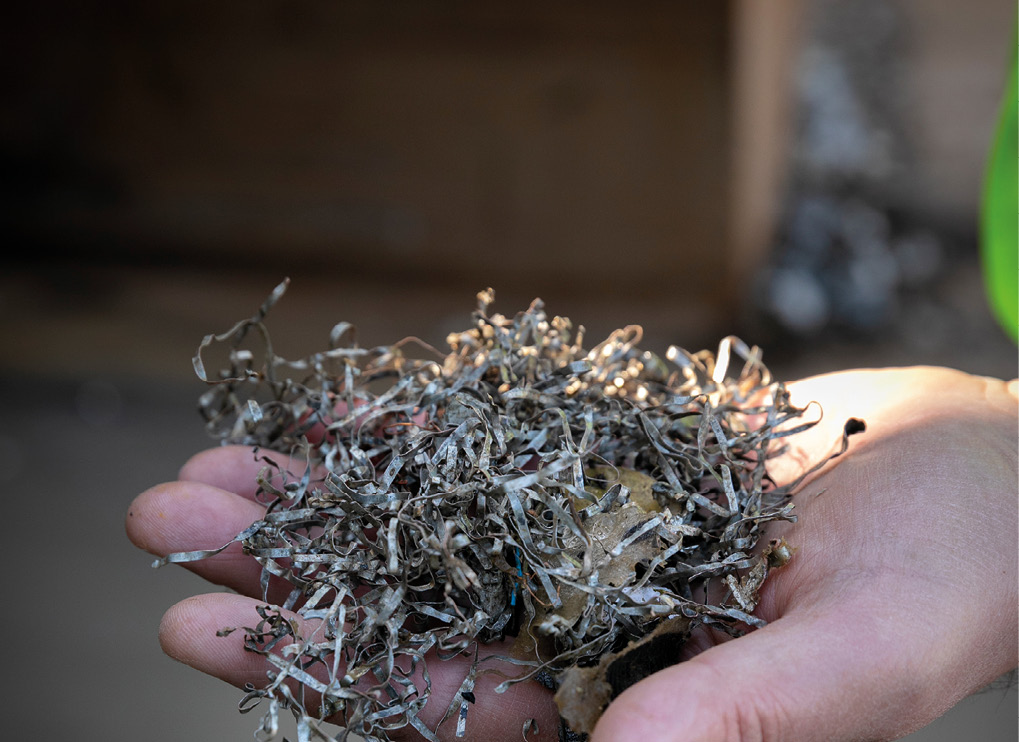
By weight, recycling a solar module can look deceptively simple. Separate the glass and get it to a specialist recycler, and you’re already 70% of the way there. The small quantities of silver and other valuable materials wrapped up in a module are much harder to recover. This creates a problem: a high recycling rate may reveal little about the value, purity, or the eventual use of materials.
“Glass accounts for more than 70% of a PV module but has a raw material value of only around €50 ($58) per ton. Silver makes up less than 0.05% of the module but is worth approximately €1.77 million per ton,” said Andreas Obst, head of recycling at Germany’s Fraunhofer Center for Silicon Photovoltaics (CSP). “As a result, one metric ton of PV waste may yield around 700 kg of glass, worth €35, and approximately 0.5 kg of silver, worth €885.”
Yet a module’s value does not determine whether it can be recovered economically. That also depends on other factors related to the route it takes after decommissioning. A study led by Jian Zuo of Australia’s Adelaide University modeled 1,708 PV recycling pathways across 32 regions and found that these local conditions can substantially alter the economic and environmental benefits of recycling. “It is unlikely that a one-size-fits-all policy can work everywhere,” Zuo told pv magazine.
Regional differences are already producing distinct recycling models worldwide. France, for example, has one of Europe’s most developed systems. It uses an extended producer responsibility scheme that requires manufacturers and importers to finance end-of-life management through a contribution paid in advance.
Source link