This article has been reviewed according to Science X's editorial process and policies. Editors have highlighted the following attributes while ensuring the content's credibility:
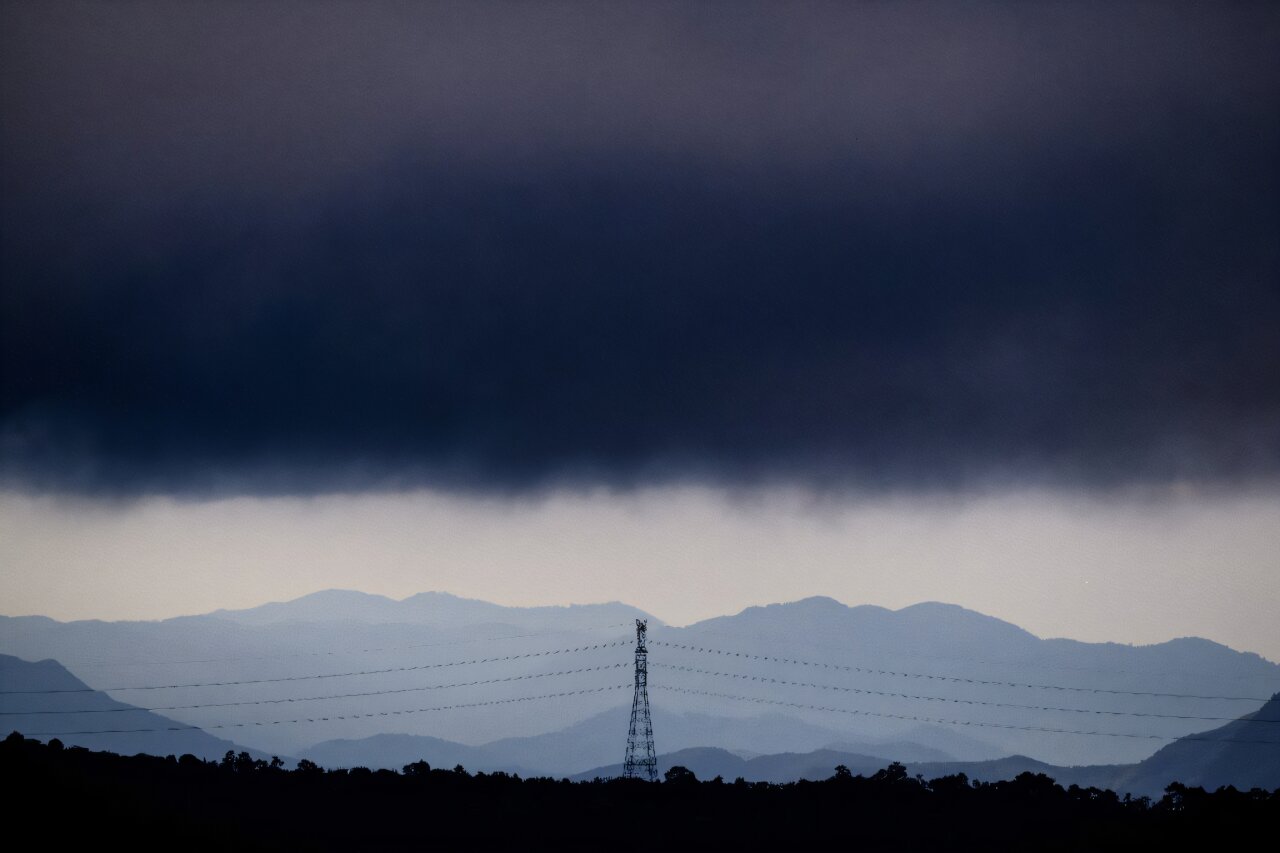
Rising from verdant ridgelines of southern Laos, 133 Chinese-built wind turbines help power Vietnam's surging growth and represent part of a regional rush to diversify energy sources.
"The view is beautiful. They're bigger than trees," 23-year-old Toukta Phonsala told AFP inside her wooden stilt house in Dak Wai village, her baby bouncing on her lap.
Hydroelectric dams have proliferated across Southeast Asia in recent years, but production drops off in the dry season and critics lament the ecological impacts.
Experts say wind is now set to take off, and point to Laos' 600-megawatt Monsoon Wind Power Project, which began operating in August 2025, as a bankable case study.
Spanning an area the size of Singapore, the $700 million scheme is the first cross-border wind project in Asia and the largest wind farm in Southeast Asia.
Built by a Chinese state firm and owned by a Thai-led consortium, it sells electricity exclusively to Vietnam's national grid via dedicated transmission lines.
Manufacturing hub Vietnam, Southeast Asia's fastest-growing economy, was already importing hydropower from Laos, its poorest neighbor.
But "the economics are moving in favor of wind," said Tristan Bellingham, technical program lead at nonprofit EnergyLab Asia.
"Similar to hydro 20 to 30 years ago, there's a bit of a rush on to secure concessions and development rights" for new wind projects, he told AFP.
Laos already hosts 90 hydropower plants and there are dozens more in neighboring nations, leaving few optimal sites remaining.
Source link