Maritime emissions advisory firm EmissionLink is urging European Union policymakers to channel a dedicated portion of EU Emissions Trading System (EU ETS) auction revenues into full-scale onboard carbon capture and storage (OCCS) trials and port reception infrastructure.
The call comes as the International Maritime Organization (IMO) advances interim safety guidelines for shipboard capture systems. However, EmissionLink cautions that safety regulations alone will fail to drive adoption without direct public co-financing to de-risk high capital and operating expenditures for vessel operators.
Philippos Ioulianou, Managing Director of EmissionLink, emphasized that EU ETS revenues should fund end-to-end demonstration projects assessing onboard collection, offloading, transport, and permanent geological sequestration or utilization under real-world maritime operating conditions.
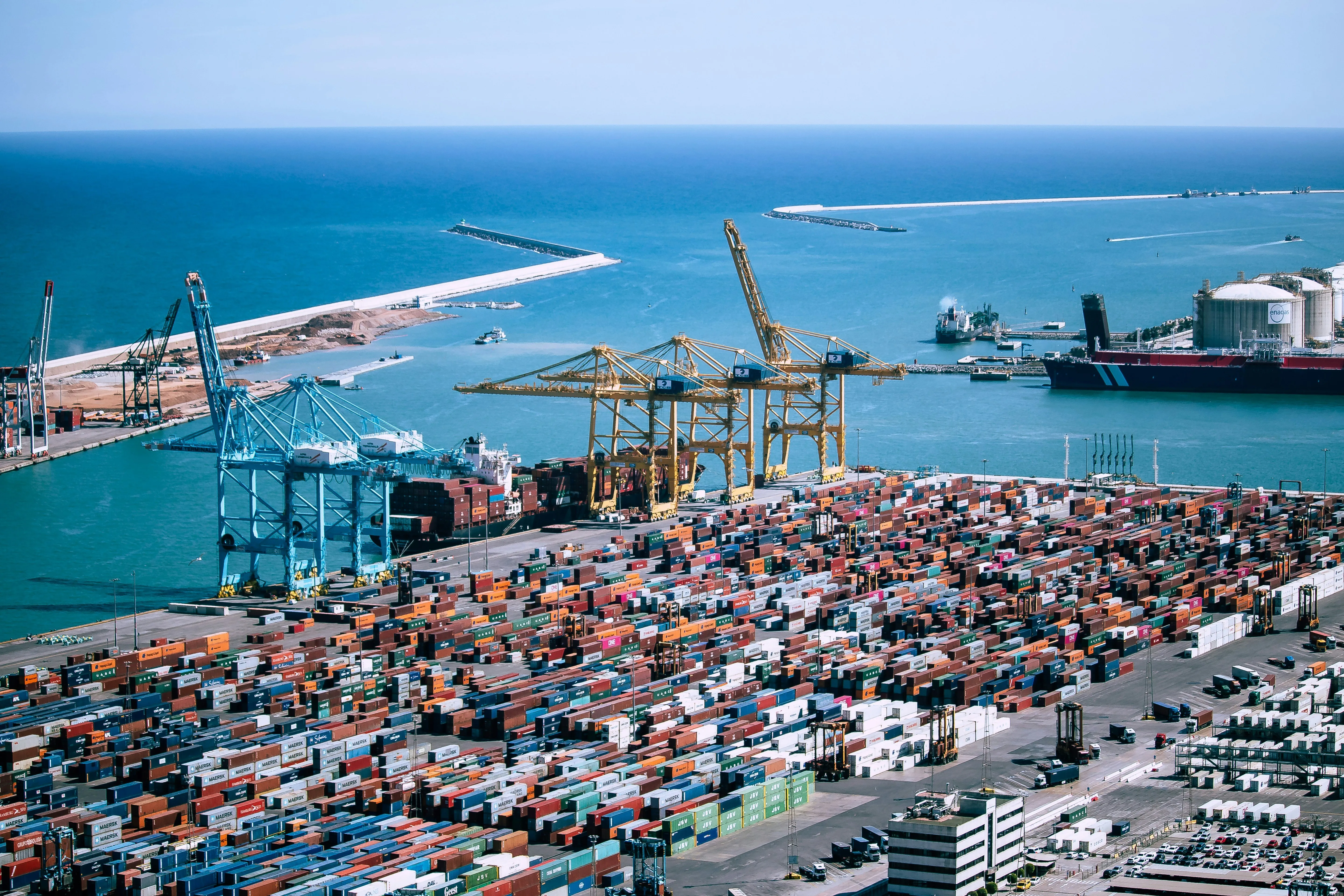
EmissionLink notes that OCCS suitability varies significantly across global shipping segments. Fixed-route liner services present the most viable early use cases, allowing operators to secure predictable port offloading infrastructure and carbon supply chains.
Conversely, spot-charter vessels face severe logistical barriers due to inconsistent access to port reception facilities, spatial constraints, extra auxiliary power demands, and remaining hull lifecycle.
Critical regulatory and contractual ambiguities also continue to challenge the commercial business case for maritime carbon capture:
The EU ETS recognizes qualifying carbon capture and permanent storage, but practical Monitoring, Reporting, and Verification (MRV) protocols tailored to maritime transport remain underdeveloped.
Emissions reductions recognized under the EU ETS may not automatically confer compliance credits under FuelEU Maritime, which regulates the overall greenhouse gas (GHG) intensity of onboard energy rather than absolute point-source capture volumes.
Contractual frameworks between shipowners and charterers must be updated to resolve liabilities regarding additional fuel burn, crew workload, offloading delays, and the precise allocation of compliance benefits.
Source link