
This article has been reviewed according to Science X's editorial process and policies. Editors have highlighted the following attributes while ensuring the content's credibility:
Electric vehicles (EVs) have become the poster child for the green transition. Governments are investing billions in charging infrastructure. Manufacturers are transforming their production lines. Electrifying transport is a central pillar of climate policy.
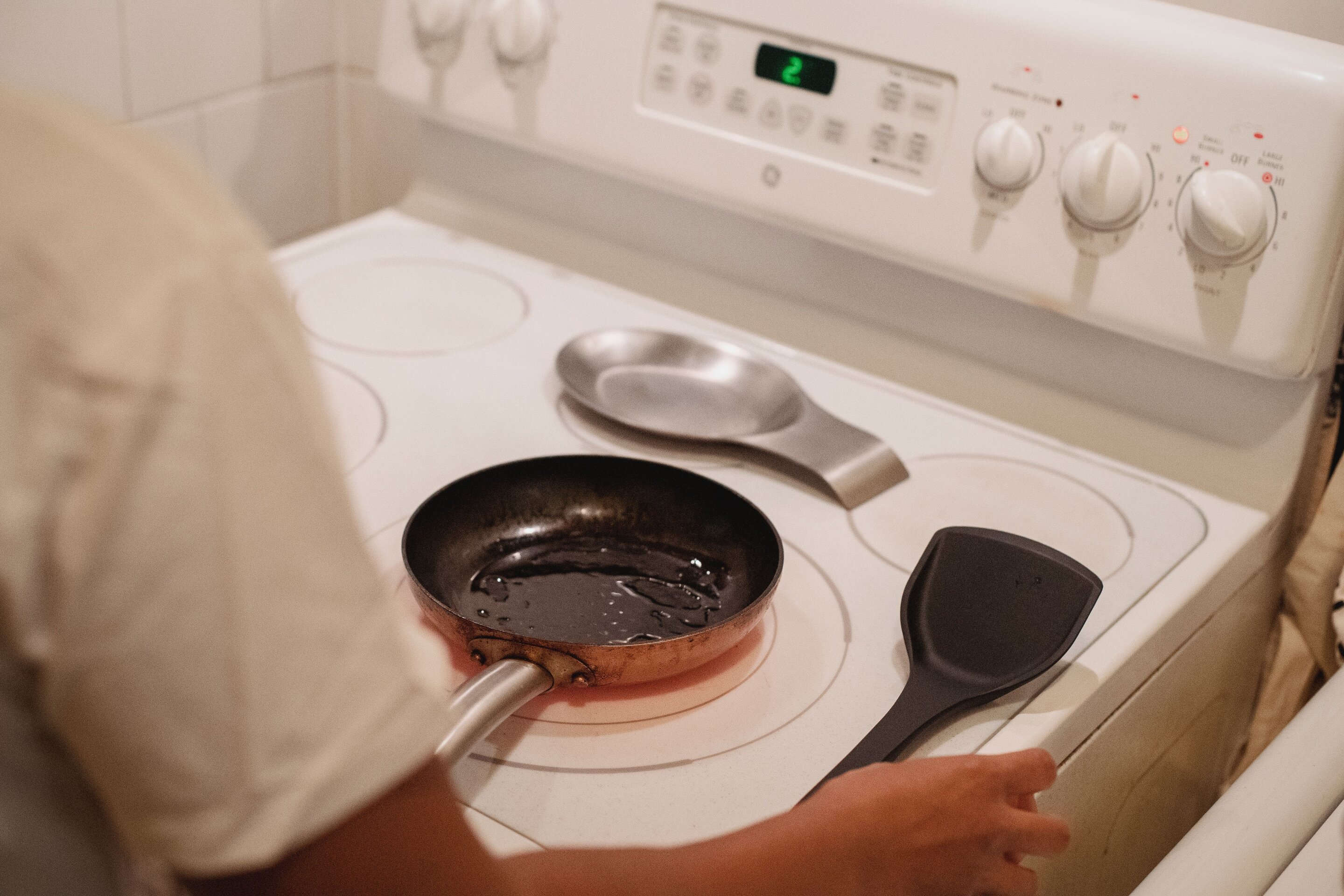
But there is another potentially enormous driver of electrification that deserves attention: cooking.
I'm currently at the U.N. climate summit, COP31 in Turkey, with my colleague Alicia Butterfield. As global manager of the Global Electric Cooking Coalition, she works with governments, development agencies and clean energy organizations to replace polluting traditional stoves with clean, electric cooking appliances.
We have been struck by how many researchers, government representatives and international organizations at this COP are advocating for electric cooking to be included as a major component of the global energy transition. The question is no longer simply whether we can cook with electricity, but how doing so can transform electricity systems, stimulate investment and accelerate the transition away from fossil fuels and polluting traditional cooking fuels.
The comparison with EVs is particularly interesting. Not everyone drives a car, but nearly everyone cooks. Cooking takes place in almost every household, as well as in restaurants, businesses, schools, hospitals and other institutions. It is a universal and essential energy service.
If EVs can become a major driver of electricity demand, why should electric cooking not play an equally important role? In terms of the number of people and institutions electric cooking can involve, it could have an even greater reach than electric transport.
Source link





