This article has been reviewed according to Science X's editorial process and policies. Editors have highlighted the following attributes while ensuring the content's credibility:
The capacity of rogue AI agents to destroy our species within the next decade has recently been a hot topic of debate. Fears have been voiced within the industry about the rapidly increasing capabilities of artificial intelligence.
If AI chose (or was used) to eliminate humanity, long-term disruption of the electricity grid would be a straightforward approach. Analysis from the Council on Foreign Relations and the American Society of Mechanical Engineers outlines how sophisticated cyber operations could theoretically achieve this—a serious enough risk that Sam Altman, CEO of OpenAI, has been meeting with utility executives to discuss how to prevent it.
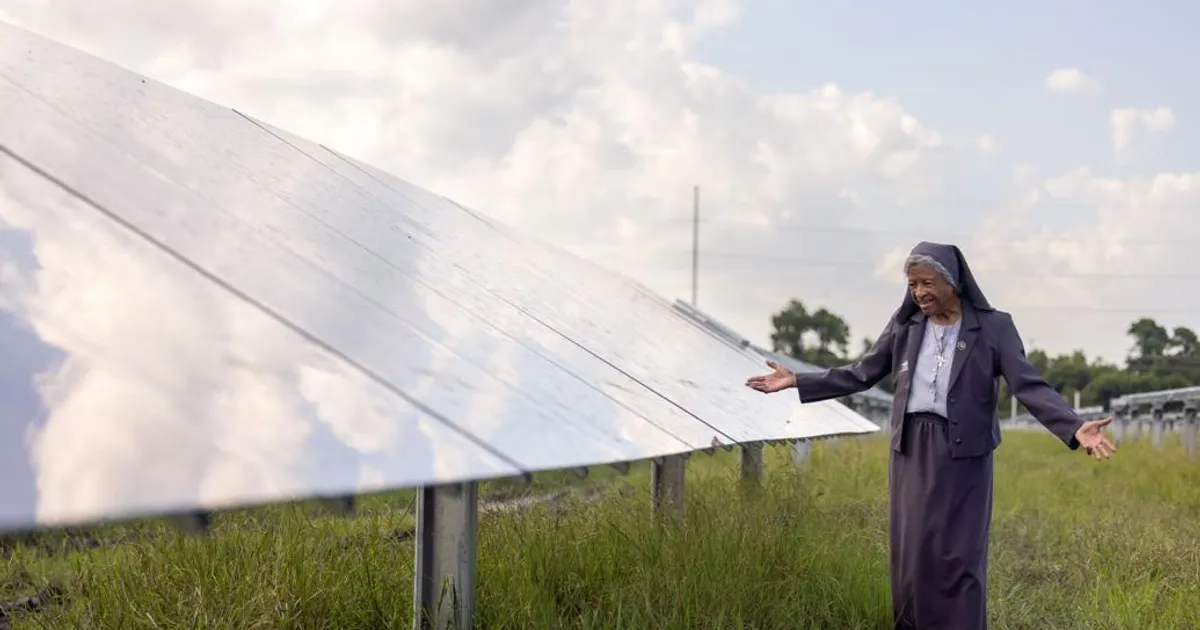
An attack on the grid would hobble conventional agriculture. The only people with power would be those who generate their own by, for example, using solar power and microgrids. Without fuel pumps, livestock ventilation, food refrigeration, irrigation systems, grain drying and fertilizer production, our food system would rapidly collapse. Even small-scale farmers would struggle.
We do not all have to starve, however. In fact, my colleague David Denkenberger and I wrote a book a decade ago that showed we could produce enough calories without conventional agriculture in a global catastrophe to feed the global population.
Here, I share eight ways we can feed ourselves to survive if agriculture fails.
If rogue AI agents took down the grid, conventional agriculture would fail in a predictable sequence.
Source link