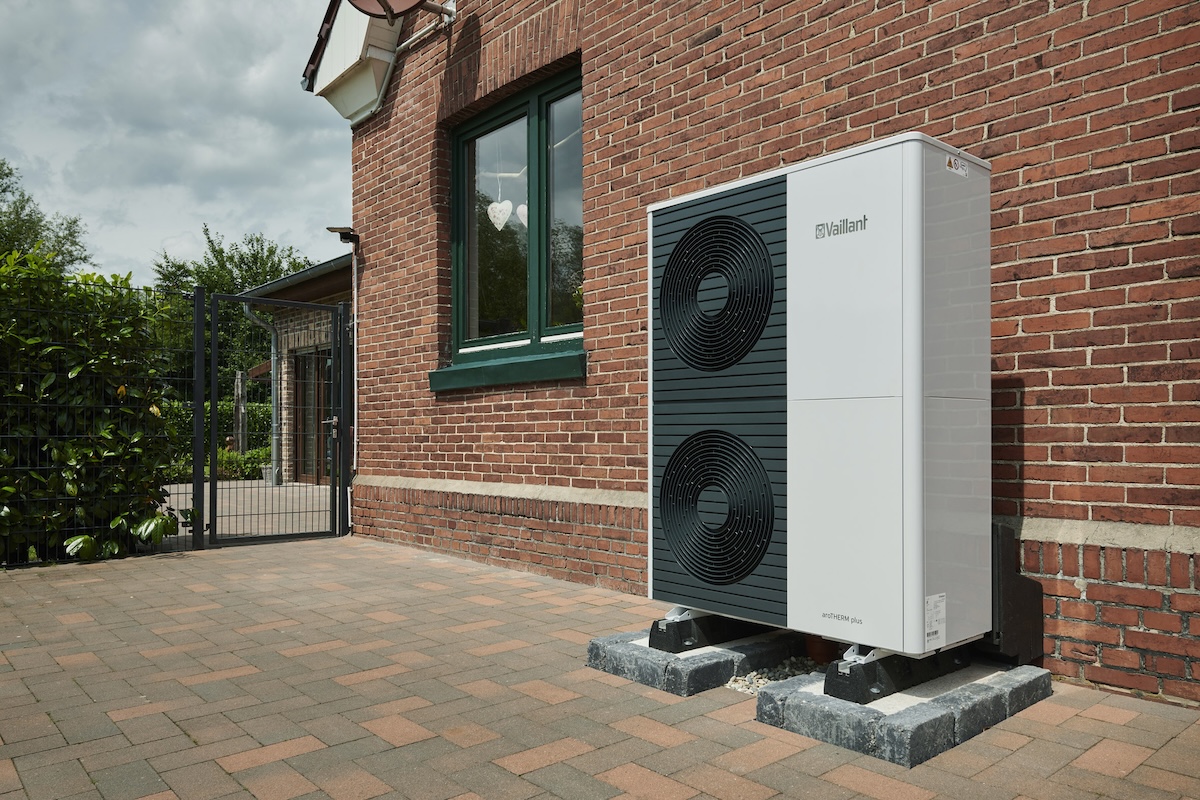
When discussing the cost-effectiveness of heat pumps, the focus is usually on the seasonal performance factor (SPF), flow temperature and building insulation. While these factors remain crucial, the debate around dynamic electricity tariffs is too narrow if it focuses solely on how long a heat pump can be switched off. What matters is the overall flexibility of a household’s electricity consumption.
On very cold winter days, well-designed heat pumps often need to run almost continuously, leaving little scope for shifting heat production. At milder temperatures, however, there is some flexibility: Buildings and hot water storage tanks can retain heat for several hours. For example, a home can be preheated overnight for the morning or during the day for the evening. Similarly, hot water production can be scheduled for periods when electricity prices are lower. How long this flexibility lasts depends on the building’s insulation, heating system and storage capacity, although it is generally insufficient to bridge entire days.
Even when a heat pump runs continuously, the electricity it consumes does not necessarily have to be drawn from the grid at the same time. A suitable battery storage system can charge from the grid when electricity prices are low and supply power later. In this case, it is not heat production that is shifted, but the timing of electricity drawn from the grid. This distinction is particularly relevant for households with photovoltaic systems and existing battery storage.
In summer, PV systems cover a larger share of household electricity demand with self-generated solar power.
Source link