

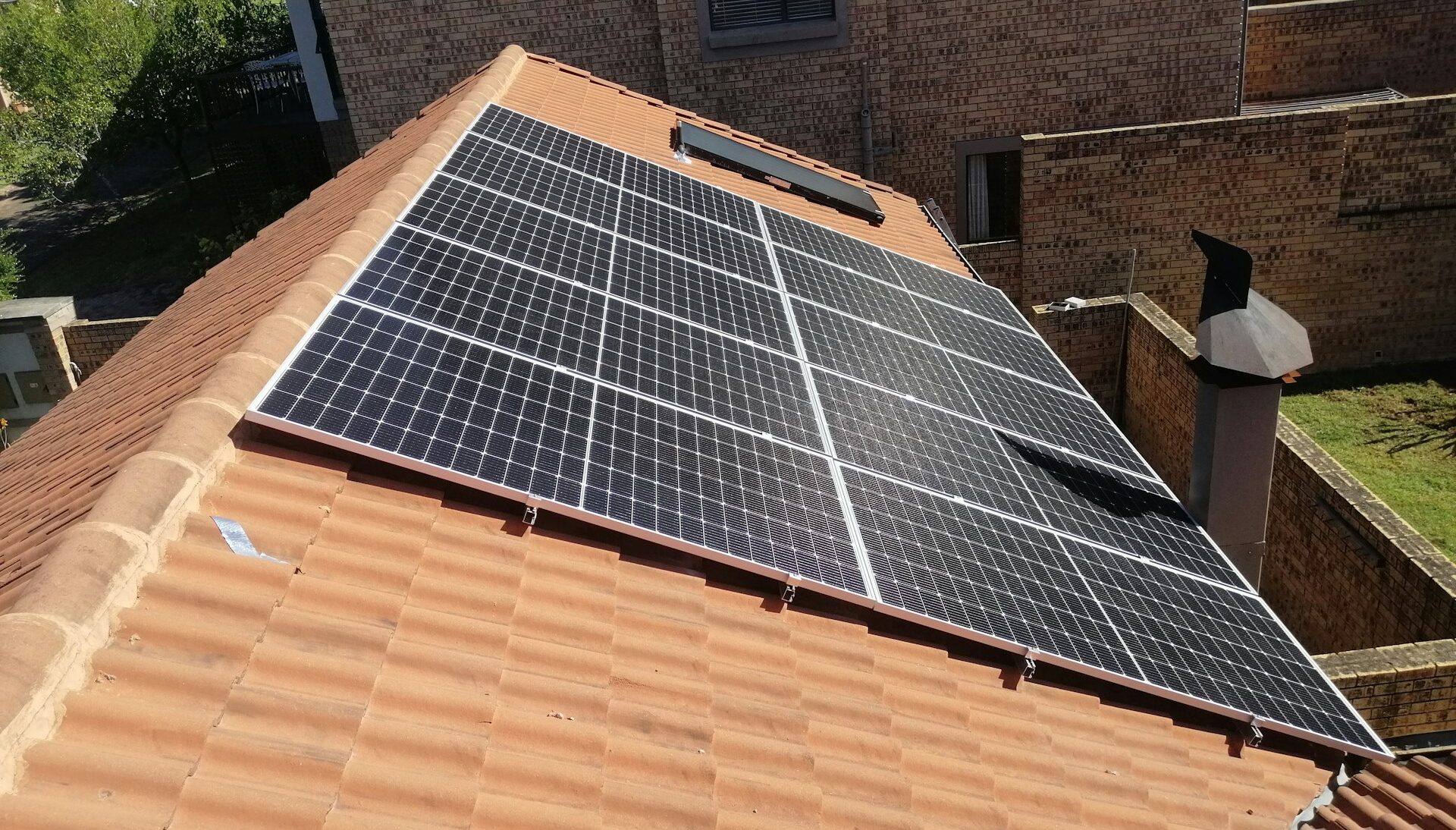
The Netherlands Authority for Consumers and Markets (ACM) is advising households with solar installations to check if their current energy contract is still the most suitable ahead of the end of net-metering on Jan. 1, 2027.
The end of net metering will mean households can no longer offset electricity exported to the grid against electricity imported from it. ACM’s latest update explains that from the start of next year, households will pay the full retail electricity rate, including energy taxes, for power drawn from the grid, while receiving a separate feed-in payment for surplus electricity.
The regulator adds that the feed-in payment is generally lower than the retail electricity rate. Under Dutch legislation, suppliers must pay at least 50% of the basic electricity supply rate, excluding taxes, for exported electricity until Dec. 31, 2029.
ACM is expecting feed-in charges to decline after the scheme ends, as suppliers will no longer incur costs associated with net metering, but adds that suppliers will continue to face other costs related to solar customers, including expenses associated with balancing the electricity grid when solar generation fluctuates unexpectedly.
ACM, which is responsible for supervising the tariffs of energy suppliers, says it will now include contracts with feed-in charges for solar panels in its monthly overview, known as Energiemonitor. Its most recent monitor says a number of suppliers are charging significantly higher rates for their standard contracts as opposed to dynamic contracts.
The discontinuation of net metering may make home batteries more attractive for some households, ACM added.
Source link





