This article has been reviewed according to Science X's editorial process and policies. Editors have highlighted the following attributes while ensuring the content's credibility:
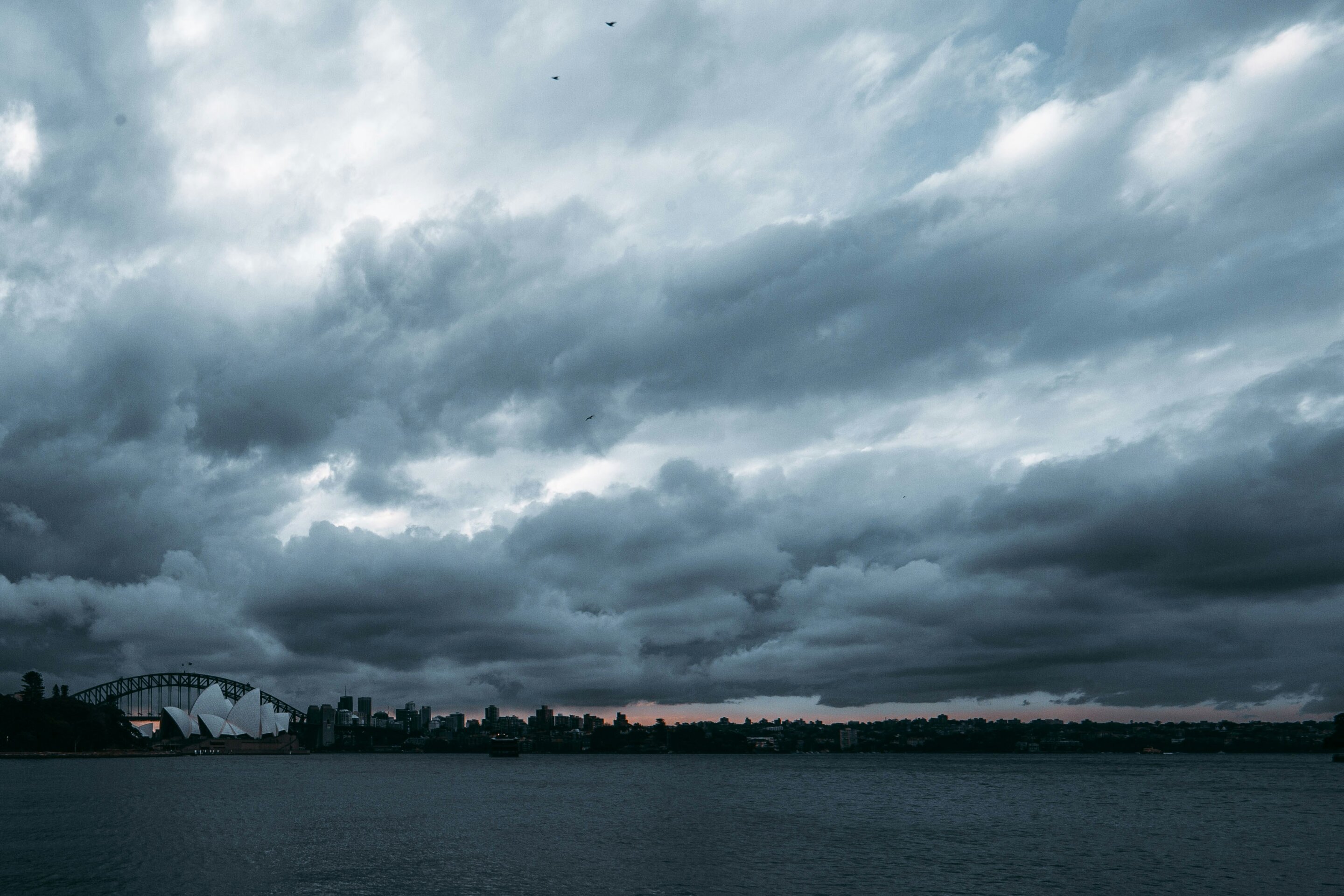
In early November 2024, a large mass of still, cloudy, cold air settled over much of northwest Europe. For much of a week, wind turbines barely moved and the output from solar farms was negligible. In some areas,cold temperatures meant people needed extra electricity to heat their homes.
Something similar happened on a smaller scale in early November 2026, when low wind-power generation across Europe left the U.K. scrambling for extra electricity. These are examples of a so-called dunkelflaute, German for "dark doldrums," a weather-related challenge for electricity systems as they become increasingly reliant on renewables.
Wind and solar generation now accounts for more than a third of the electricity produced in Great Britain, for example, from a baseline of almost nothing just 20 years ago. This shift is central to efforts to reach net zero and will play a key role in decarbonizing other sectors such as heating and transport.
The introduction of large amounts of weather-sensitive generation has created new challenges for power-system operators. A central concept within this is "balancing"—the need to ensure the supply of and demand for electricity match in near real time.
This used to be relatively simple. When demand increased, power plants would burn more coal or gas. These days, maintaining balance can be extremely challenging in periods of unfavorable weather conditions and, if left unchecked, mismatches in supply and demand could quickly spiral into disconnections and blackouts.
Source link