This article has been reviewed according to Science X's editorial process and policies. Editors have highlighted the following attributes while ensuring the content's credibility:
Biogas plants are considered the third pillar of renewable electricity generation in Germany. Unlike solar and wind power, electricity generation from biogas is largely independent of weather conditions and can generally be scheduled.
With an amendment to the Renewable Energy Sources Act (EEG) planned for 2027, the regulatory framework is expected to place greater emphasis on flexible, market-oriented electricity generation: Biogas plants would supply electricity primarily when solar and wind generation is low. To support this shift, the number of operating hours eligible for remuneration is expected to be limited.
For operators of the nearly 10,000 biogas plants currently operating in Germany, the timing when electricity is fed into the grid from combined heat and power (CHP) units will increasingly determine the economic viability of their operations. Expanding gas storage capacity is likely to be economically viable for only some older plants.
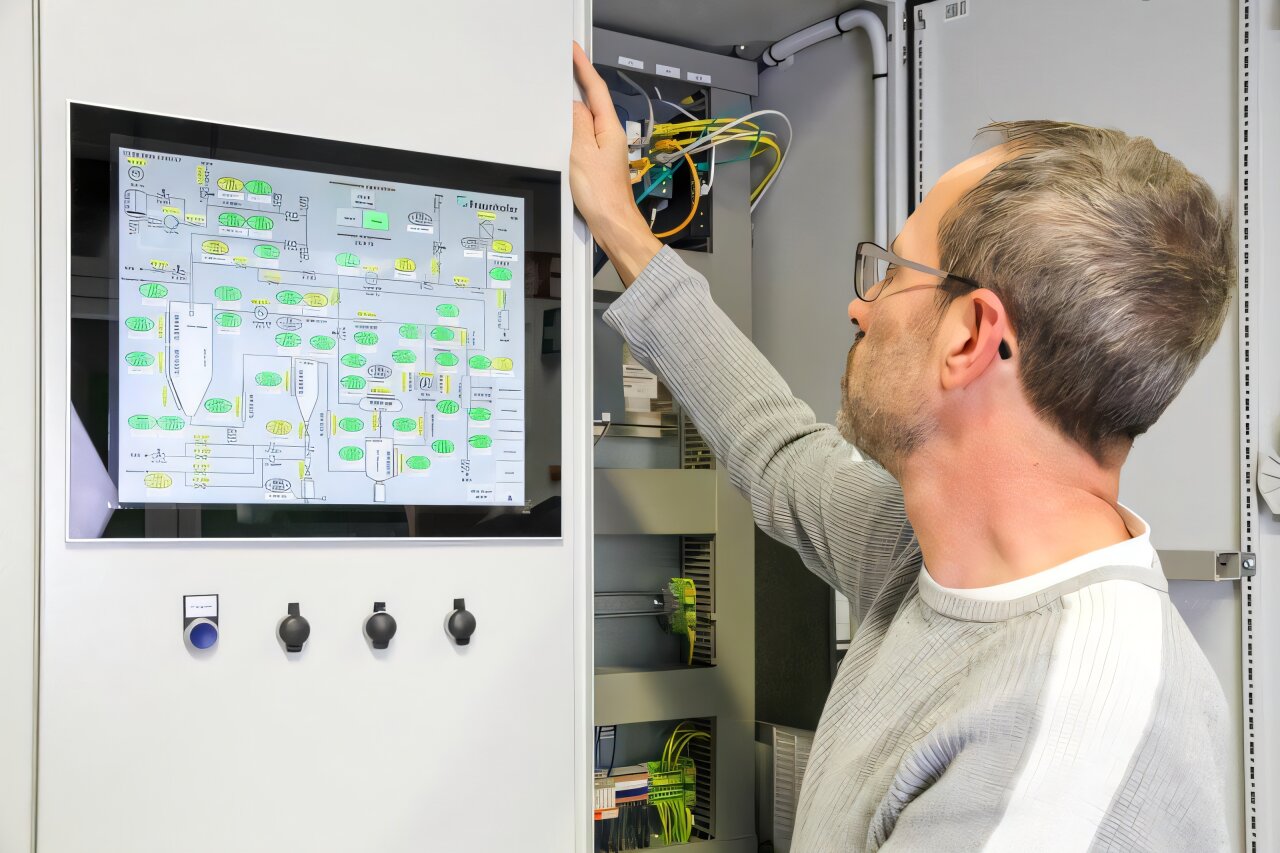
Fraunhofer IGB has developed a cost-effective digital approach to electricity-price-based operation: An "Edge Device" is connected to the existing plant control system, consolidates process and operational data, and makes these data available onsite for models and AI applications—without requiring changes to the existing control logic.
A biogas plant generates a significant amount of data: Sensors measure temperatures in the digester, the composition of the biogas and the fill level of the gas storage tank.
The plant control system tracks the rotational speeds, runtimes and operating statuses of pumps and agitators.
Source link