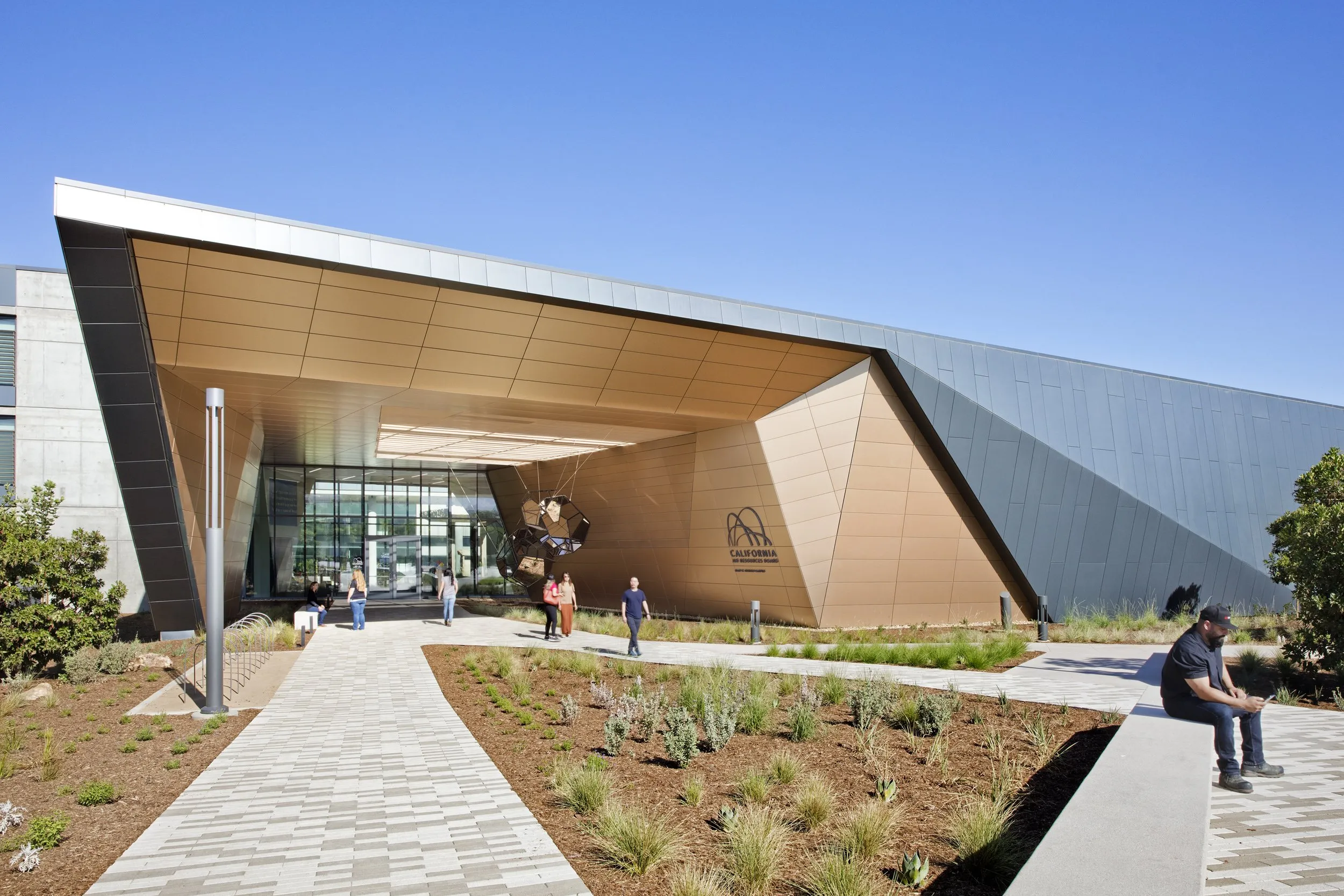
California is advancing its carbon capture policy as the California Air Resources Board (CARB) moves forward with regulations under Senate Bill 905 (SB 905). The agency has published preliminary regulatory language and a staff report outlining how it intends to oversee carbon capture, utilization and storage (CCUS), alongside carbon dioxide removal (CDR) technologies.
The proposal marks another step toward a more comprehensive regulatory framework for an industry seeking to expand its role in climate mitigation. The draft materials remain subject to review and revision before any final rules are adopted.
CARB expects a 45-day public comment period to run from October 30 through December 14, 2026, according to the timeline shared by agency officials. The official SB 905 rulemaking page provides access to the proposed regulations and supporting documents.
The proposed framework addresses project reporting, geological storage, seismic monitoring, emergency response planning and financial responsibility. It also outlines a unified permitting approach intended to streamline applications for carbon management projects.
These measures address a central challenge for the industry: demonstrating that captured carbon remains safely contained over the long term. Regulators must also consider potential effects on groundwater, air quality and surrounding communities.
CARB’s earlier SB 905 preliminary regulatory concepts provide background on the agency’s approach to reporting, monitoring and public transparency. The proposed program is intended to complement existing federal, state and local environmental protections.
California enacted SB 905 in 2022 to establish a program evaluating the effectiveness, safety and viability of CCUS and CDR technologies. The legislation also calls for monitoring and reporting requirements, financial safeguards for projects involving geological sequestration, and a streamlined permitting application.
Source link