This article has been reviewed according to Science X's editorial process and policies. Editors have highlighted the following attributes while ensuring the content's credibility:
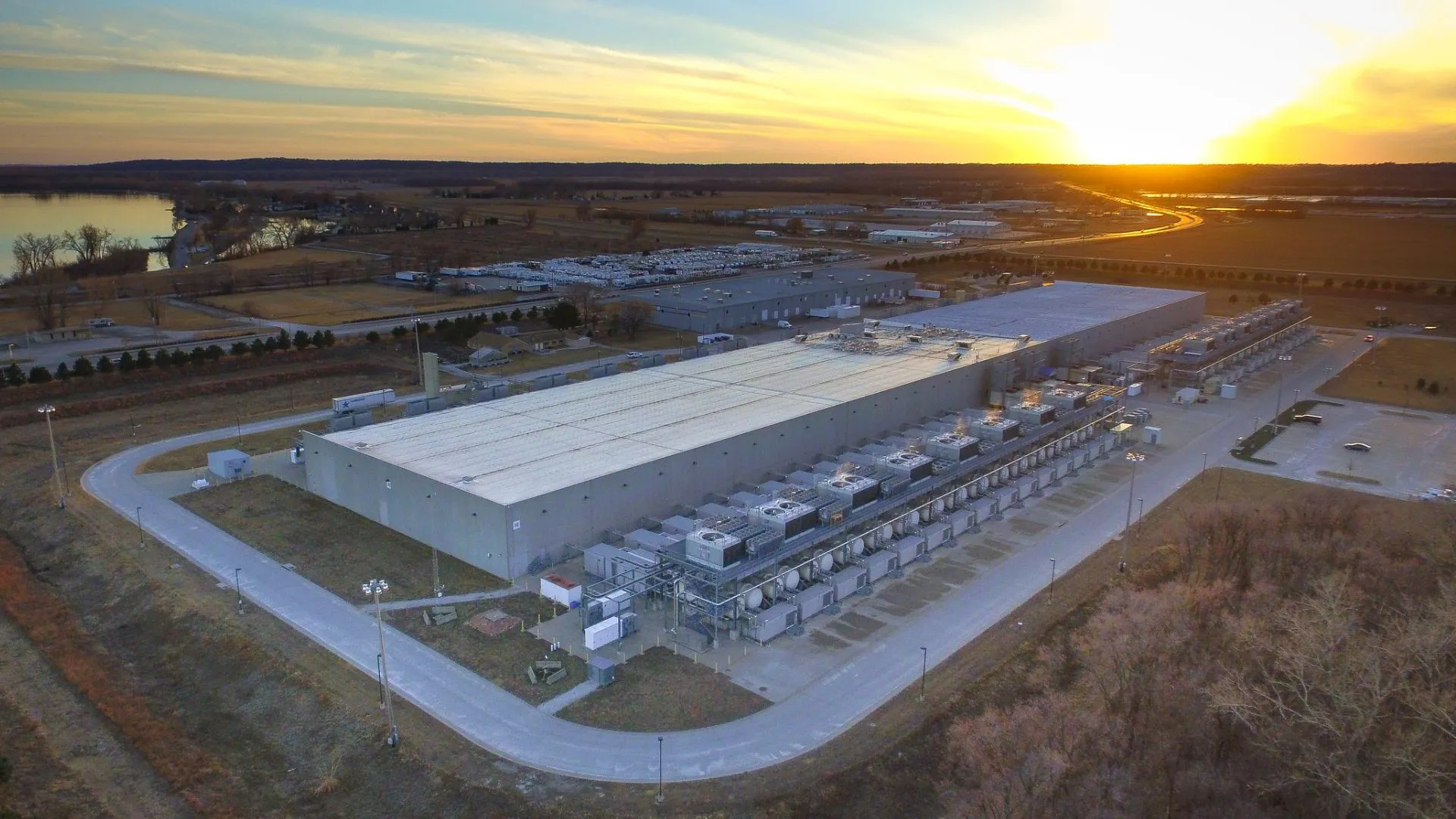
Bell Canada's AI Fabric data center near Regina, Sask., has been touted as the "single largest private-sector capital investment" in Canadian history.
Bell Canada says the project will use energy responsibly "without competing for local power resources." But local residents have expressed concerns about the project's potential water and electricity use.
The data center will require up to 1.2 gigawatts of electricity once fully operational, with 300 megawatts (MW) coming from the provincial power grid and 900 MW from a dedicated, on-site bring-your-own-power scheme.
The provincial Crown electric utility, SaskPower, currently has a mixed power generation portfolio of hydro, wind, solar, coal and natural gas. Most of its capacity comes from fossil fuels despite Saskatchewan having some of the country's strongest wind and solar resources.
Bell Canada says the facility will use a sealed, closed-loop water-cooling system paired with an air-cooled heat-rejection system. This system would not be connected to groundwater or the municipal water supply.
However, that only accounts for the water used to operate the data center itself. It does not include the water used by the electricity grid that provides power for the data center.
My dissertation research is focused on integrated water resource management in the Prairie Pothole region with a geographic focus on the Assiniboine River basin where this new data center is located.
Dry cooling systems can expel heat; however, they require large fans and radiators to move heat into the environment and generally use more power.
Source link