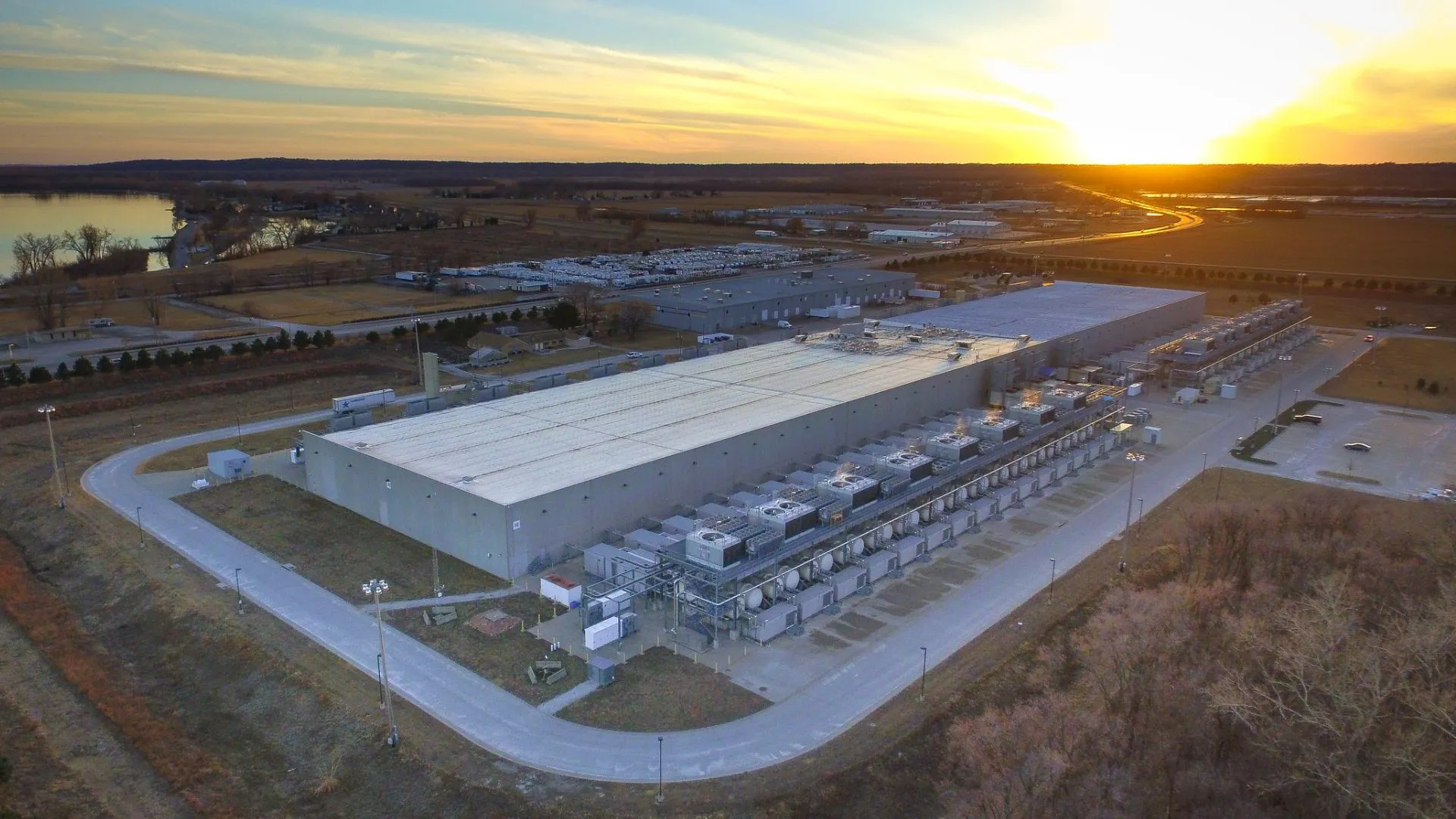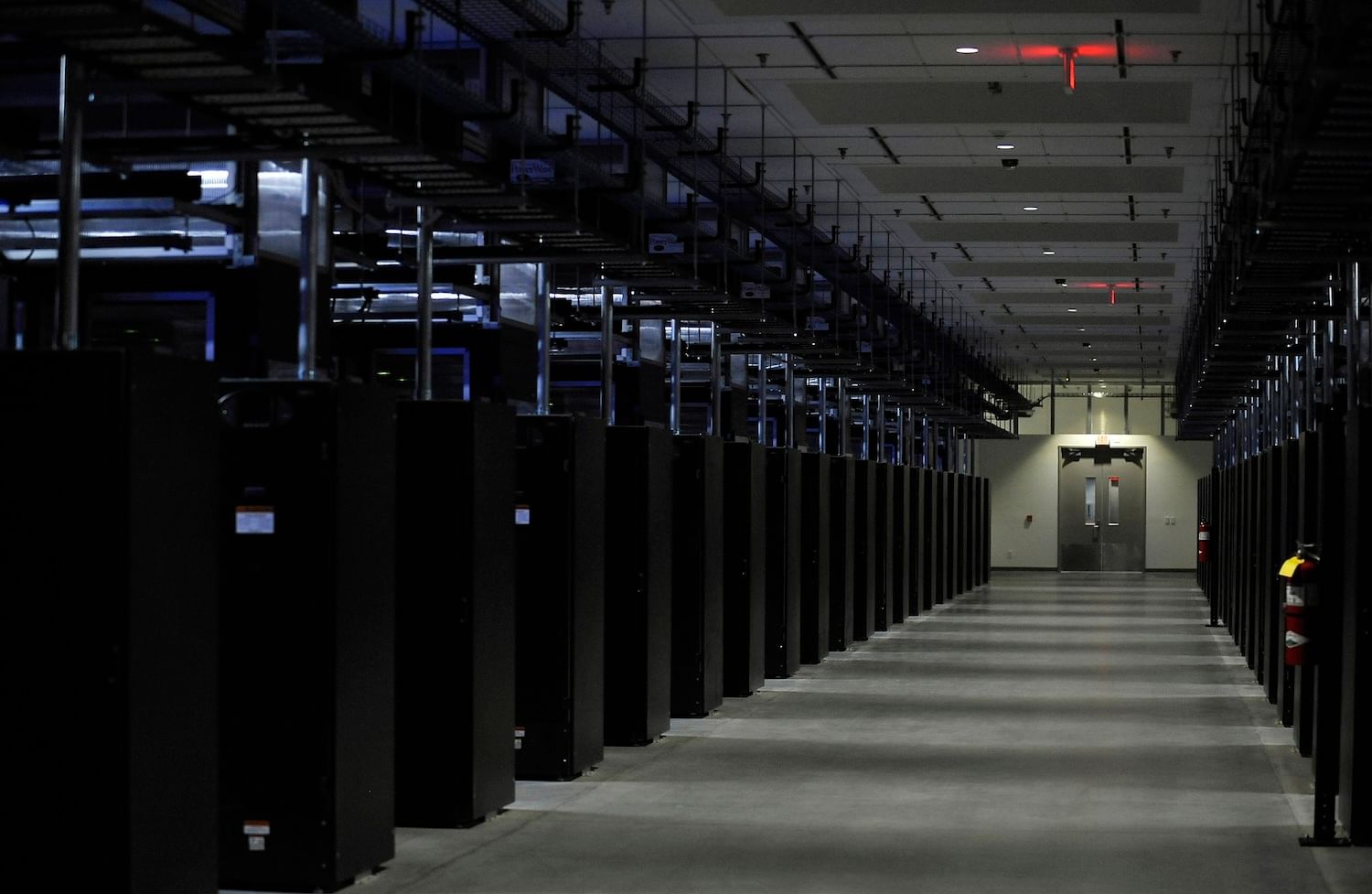
In the Carolinas, Ohio, Texas, and many other states, Democrats routed incumbent Republicans in this month’s elections at least in part because voters fear an onslaught of AI data centers — the massive computer warehouses that threaten to suck up water supplies, increase climate and air pollution, and drive up energy costs.
Voters didn’t just take their anger out on politicians. In red and blue areas alike, they also approved dozens of ballot measures pausing or restricting data centers, adding to the over 450 moratoriums already in place across the country.
The backlash has left state and local leaders grappling with how to put guardrails on the facilities and ensure they benefit nearby communities.
A forthcoming deal between a data center and Enfield, North Carolina — an overwhelmingly poor, majority Black town of 2,000 — could offer a groundbreaking example of what such development might look like.
For years, Enfield leaders and their allies have been working toward a clean energy vision that includes a solar farm to supply residents with power, a new substation to help distribute those renewable electrons, and a thermal energy network — a shallow form of geothermal that could replace inefficient water heating, space heating, and cooling. But they’ve faced a dearth of funding and fierce policy headwinds under President Donald Trump.
Then, this summer, Halifax County, where Enfield sits, announced it was selling property to Wyoming-based Quiet Data Centers , a land development firm, for a 100 , 000 square-foot facility.
Source link