

The outlook for a US CBAM, carbon border tax and carbon pricing policy has weakened after the loss of two Republican supporters, raising fresh questions about Washington’s willingness to introduce a mechanism that could reshape international trade and industrial competitiveness.
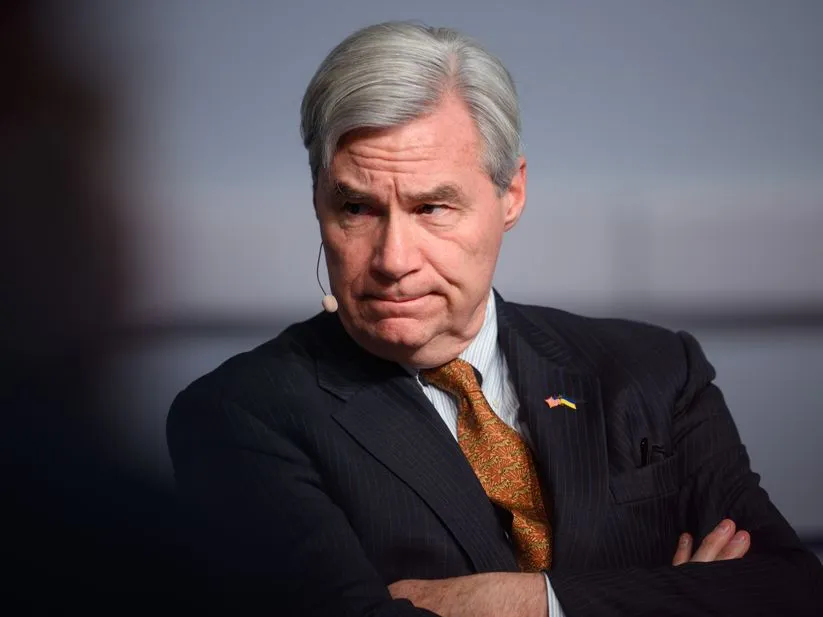
Senator Sheldon Whitehouse, a Democrat from Rhode Island, said bipartisan backing would be essential for any proposal to advance through Congress. Speaking to reporters at COP31 in Antalya, Türkiye, he argued that existing legislative groundwork was insufficient without Republicans willing to champion the initiative.
The proposed mechanism would apply charges to imported products based on their greenhouse gas emissions, potentially placing foreign manufacturers with higher emissions at a competitive disadvantage. Whitehouse said the departure of former Republican allies had made the political path considerably more difficult, although he did not rule out new supporters emerging.
The initiative previously attracted interest from Republican senators Bill Cassidy and Lindsey Graham, who saw carbon border measures as a potential instrument for addressing trade competition with China.
The Senate Environment and Public Works Committee approved relevant legislation in 2024, but the proposal never reached a full Senate vote. Cassidy subsequently lost his party’s primary, while Graham died in July 2026, leaving the effort without two of its prominent Republican advocates.
President Donald Trump’s preference for tariffs could nevertheless create an unexpected opportunity for the proposal, Whitehouse suggested. However, translating that potential overlap into legislative support remains uncertain.
The international policy environment is also changing. The European Union moved its CBAM into its definitive phase on January 1, 2026, covering imports of cement, iron and steel, aluminium, fertilisers, electricity and hydrogen.
Source link





