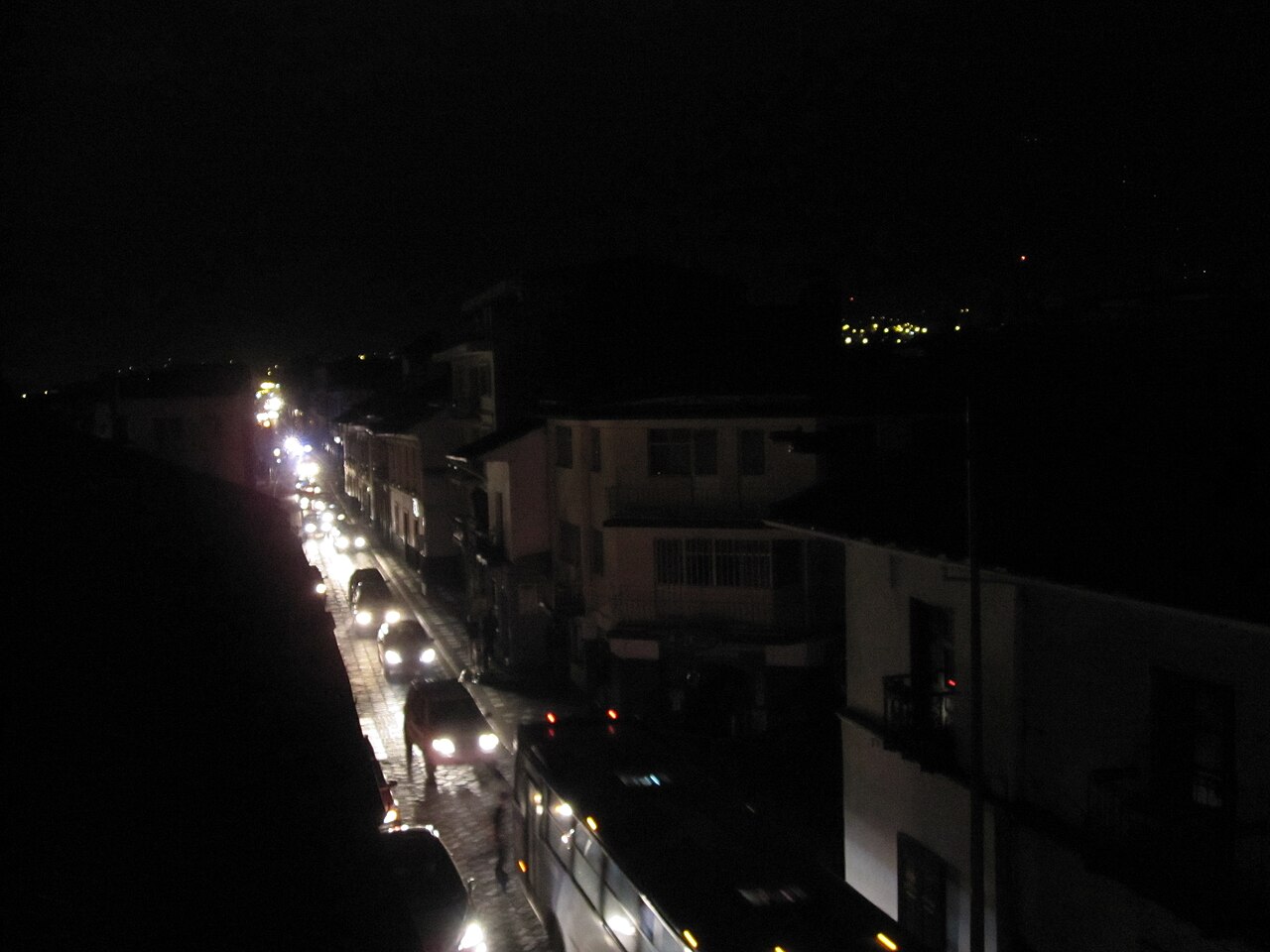
The cause of Sri Lanka’s nationwide black occurred on Oct. 17 was the the loss of 187 MW of electricity from a coal power plant and not the high solar PV penetration as initially thought.
This emerges from a preliminary investigation report submitted by the National System Operator (NSO) to the Public Utilities Commission of Sri Lanka (PUCSL), which explicitly identifies the sudden loss of generation from Lakvijaya Coal Power Plant Unit 1 (LVPP Unit 01) as the initiating event of the blackout.
“LVPP Unit 01 rapidly de-loaded from the unit net generation of 187 MW to 5 MW within 450 ms,” the authors of the report state, noting that grid frequency fell from 49.906 Hz to 48.75 Hz within two seconds.
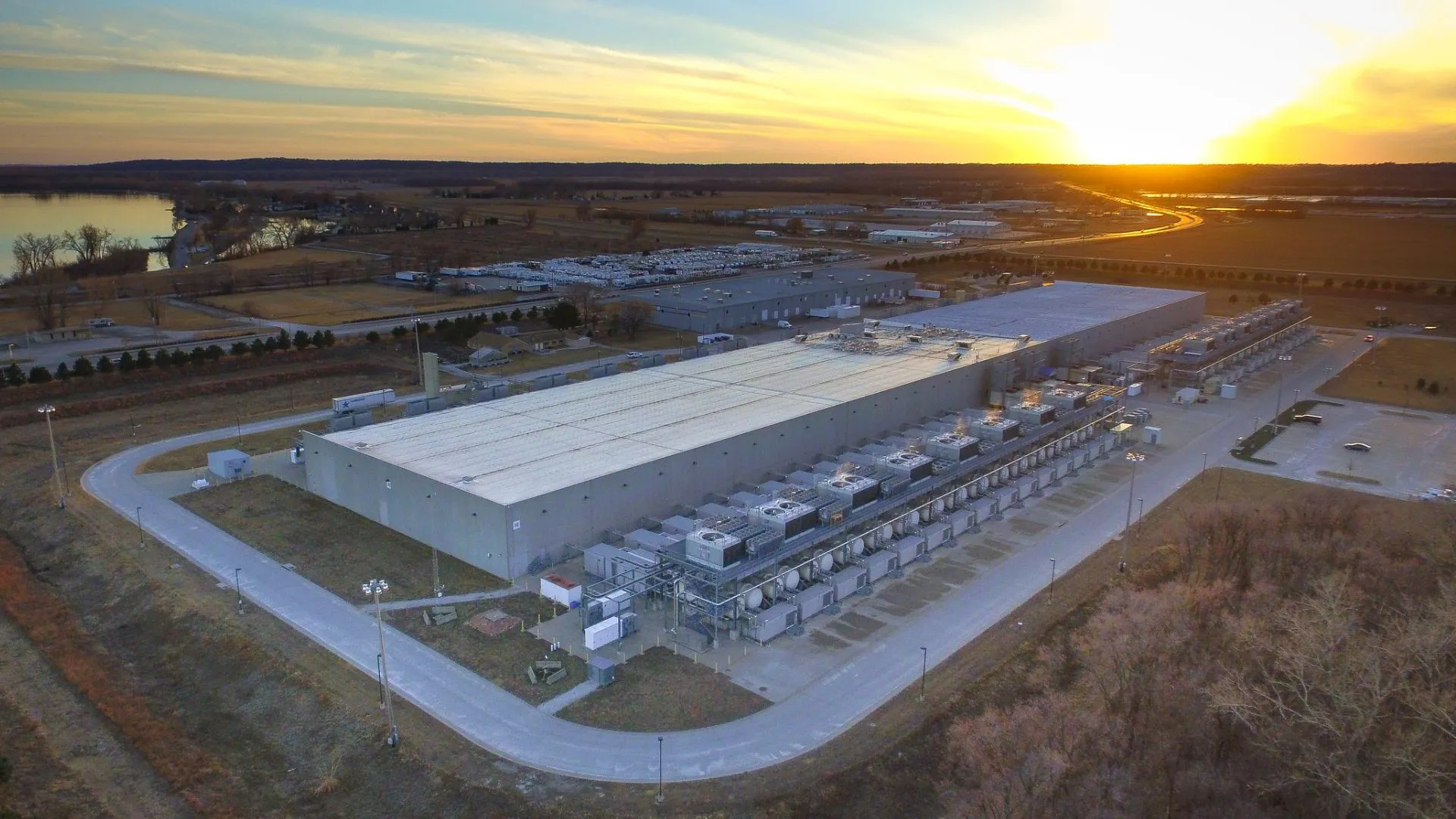
The unit has a capacity of 300 MW and is located at the 900 MW Norochcholai Power Station in Puttalam, in the country’s North Western Province.
The report does not fully explain why the coal unit lost output or whether distributed PV behaviour contributed to the cascading failure.
Following the blackout, the NSO instructed all PV system owners to disconnect their installations from the grid. The decision appeared to have been informed by a previous nationwide blackout on Feb. 9, 2025, when the Ceylon Electricity Board (CEB) identified high solar PV penetration as a major contributing factor.
According to a CEB investigation published in April 2025, the blackout was triggered at noon by a fault at the Panadura grid substation. At the time, solar PV accounted for more than 50% of electricity demand, leaving the grid with insufficient system inertia to withstand the disturbance.
Source link