China’s solar industry has spent two decades proving how far costs can fall. It is now confronting a harder question: how low is too low?
The need for an answer has become urgent. In the first half of 2026, some of China’s largest solar manufacturers remained deeply in the red despite technological gains and enormous shipment volumes. Tongwei posted a net loss of CNY 5.12 billion ($763 million), Longi CNY 3.68 billion, TCL Zhonghuan CNY 3.20 billion, JinkoSolar CNY 3.08 billion and JA Solar CNY 2.66 billion. Together, the five companies lost more than CNY 17 billion in six months.
The industry has been exceptionally good at adding capacity, but far less effective at removing it. Persistent oversupply has pushed prices below levels that support normal returns, while companies have kept factories running to preserve cash flow, employment and market share.
“Production capacity across all segments of the PV supply chain has exceeded demand projections for 2035. Capacity clearance remains the industry’s greatest challenge,” noted BloombergNEF PV analyst Tan Youru.
Beijing has stepped up its response. What began as appeals for industry self-discipline has evolved into a broader “anti-involution” campaign – which has become a common Chinese policy term for curbing excessive, self-defeating competition, especially repeated capacity expansion and price-cutting that destroy returns across an entire industry.
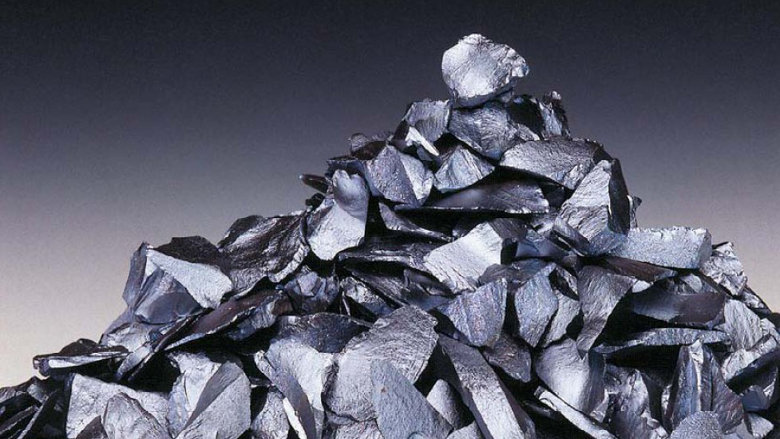
In solar, that campaign now combines price regulation, standardized cost accounting, mandatory efficiency and energy-consumption rules, tax changes and pressure for capacity rationalization. The objective is not simply to lift module or polysilicon component prices, but rather to terminate the incentives that allowed destructive competition to persist.
Source link