This article has been reviewed according to Science X's editorial process and policies. Editors have highlighted the following attributes while ensuring the content's credibility:
As Eastern Europe's power sector has taken a hit from a record drought, Bulgaria has benefited from building battery storage capacity alongside its rapid solar expansion.
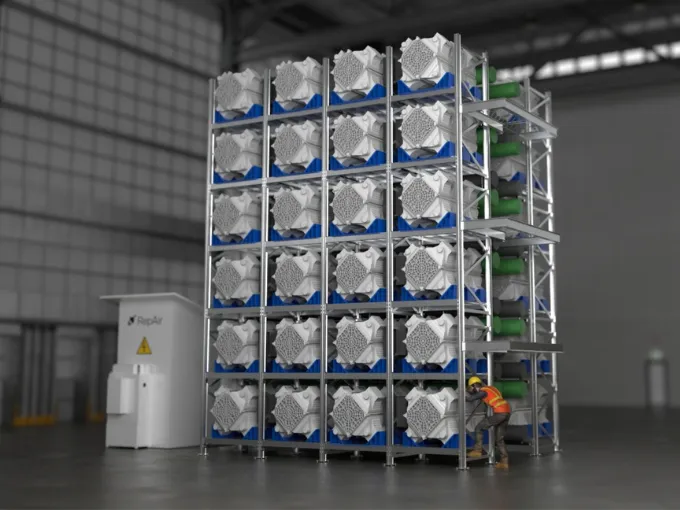
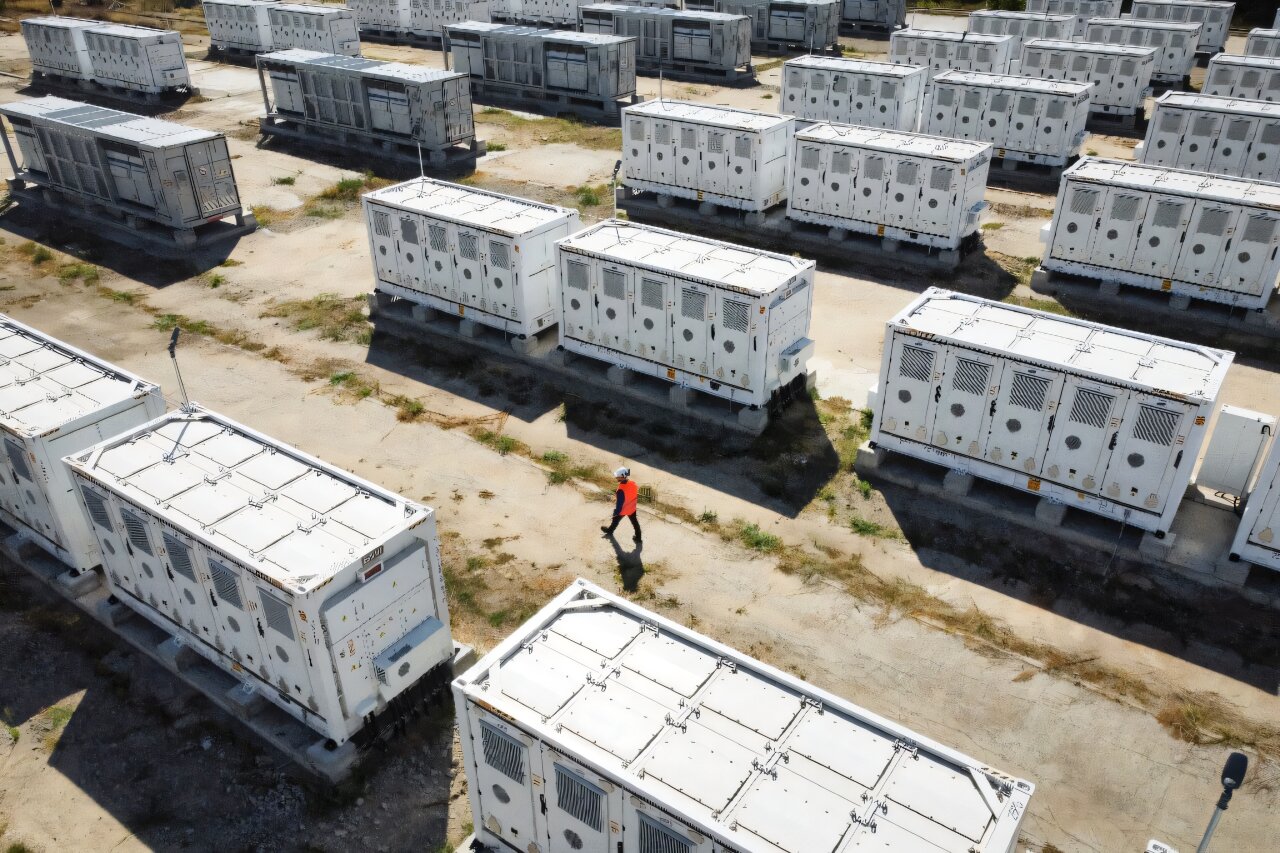
Around 100 battery energy storage system (BESS) sites are now operating, most of them built in the past two years.
The large-scale projects take advantage of former industrial sites and airfields or are integrated into existing power stations, including coal-fired plants.
"The scale and speed of storage deployment in Bulgaria is unprecedented in a European context," Stavros Papathanassiou, a professor at the National Technical University of Athens, told AFP.
Low administrative hurdles, a receptive market for clean energy and EU funding are among the reasons experts cite for the country's leading role in the region.
The battery installations absorb surplus power from solar installations and feed it back into the grid when demand rises.
That proved a boon when exceptionally low water levels in the Danube disrupted power generation at nuclear and hydroelectric plants in Eastern Europe, boosting demand for electricity imports.
In July and August, Bulgaria—one of the EU's poorest countries—recorded net electricity exports of around 830 gigawatt-hours a month, more than twice the average in May and June.
In July alone, Romania accounted for nearly half of Bulgaria's outward electricity transfers, valued at an estimated 74 million euros ($85 million).
At Maritsa East 3, once Bulgaria's second-largest coal-fired power plant, the shift away from dependence on the fuel is visible on the ground.
Source link