
Way back in the day, in another professional life, I was the director of a nonprofit focused on promoting bicycling, mass transit, and sustainable development — but especially bicycling. One thing we highlighted was how little people actually drive on a daily basis. The average American drives 31 to 37 miles per day. I could ramble on and on about this, but let’s cut to the chase as it concerns electric vehicles — modern electric vehicles can easily cover that distance. Even a decade ago, electric vehicle options could easily cover that distance, and today’s EVs have three to four times more range!
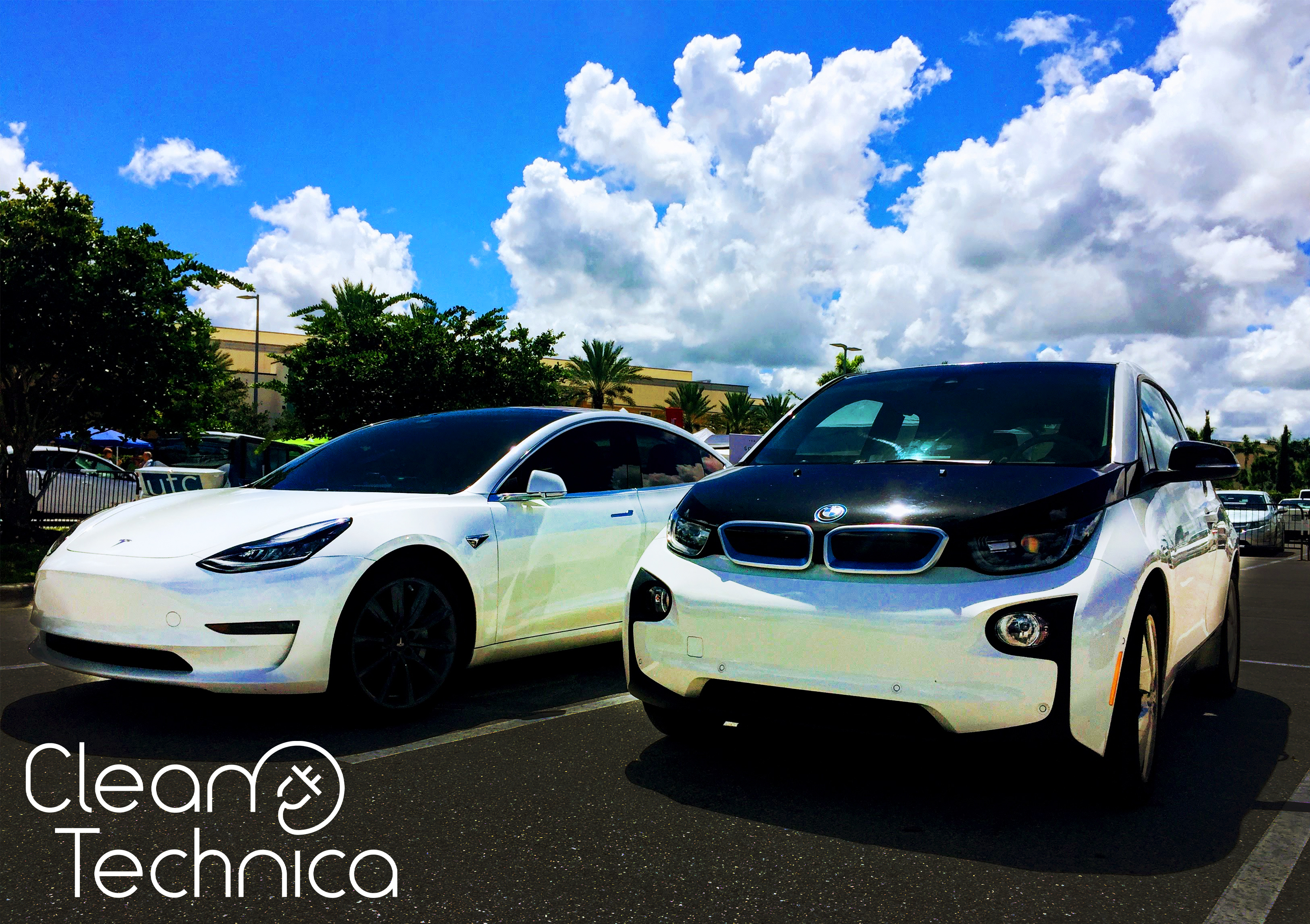
I currently drive a 2018 BMW i3 with about 100 miles of range, and I just have to charge it once or twice a week. My wife drives our 2019 Tesla Model 3, which has about 200 miles of range now, and it’s the same for her — we charge it up a little more than once a week. Yup, even a 2013 Nissan LEAF would have been fine for our driving needs.
Well, BMW is catching on. (Surely, it has known this all along — driving data isn’t a secret!) BMW Group recently surveyed Americans and discovered that “Americans Want More EV Range Than They Need Day to Day.” That was in the headline. Knowing that, the question is: how do you get consumers to act more rationally and not obsess so much over super long range they don’t need?
S. survey of consumer attitudes toward electric vehicles finds electric vehicles are becoming part of the mainstream consideration set for American consumers, even as shoppers become more specific about what an EV must deliver.
Source link