A planned nuclear-powered supercomputing hub in the Texas Panhandle has cleared a major federal regulatory hurdle.
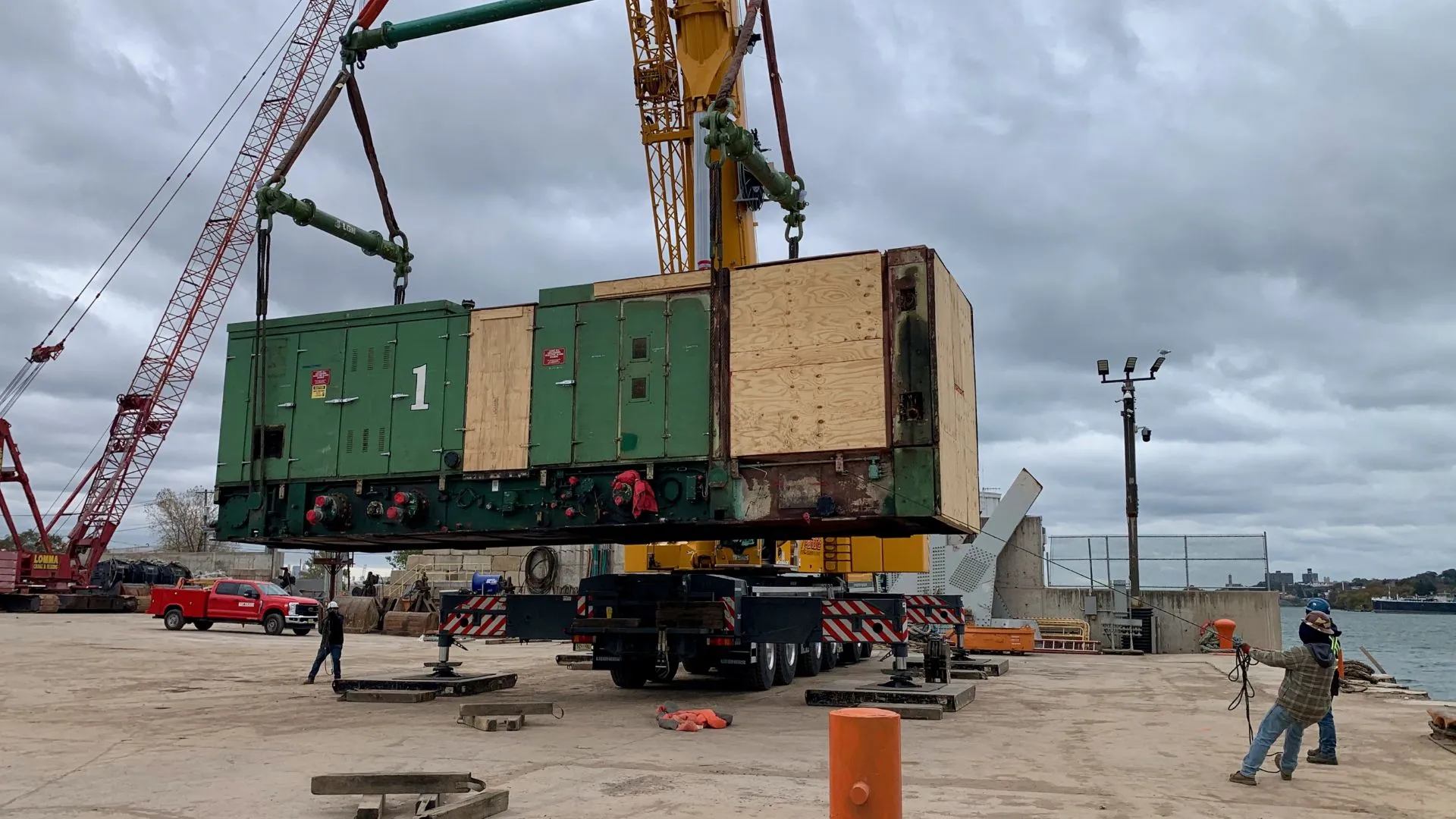
The US Nuclear Regulatory Commission (NRC) has published its draft environmental review for Project Matador, an energy and artificial intelligence campus run by developer Fermi America. Crucially, NRC staff issued a preliminary recommendation to approve combined licenses for four Westinghouse AP1000 nuclear reactors, provided the project passes an ongoing safety evaluation.
The positive assessment arrived just 15 months after Fermi America filed its application. In the nuclear industry, federal environmental reviews typically take years to complete. Reaching this stage so quickly marks significant momentum for an initiative designed to power high-demand computing facilities.
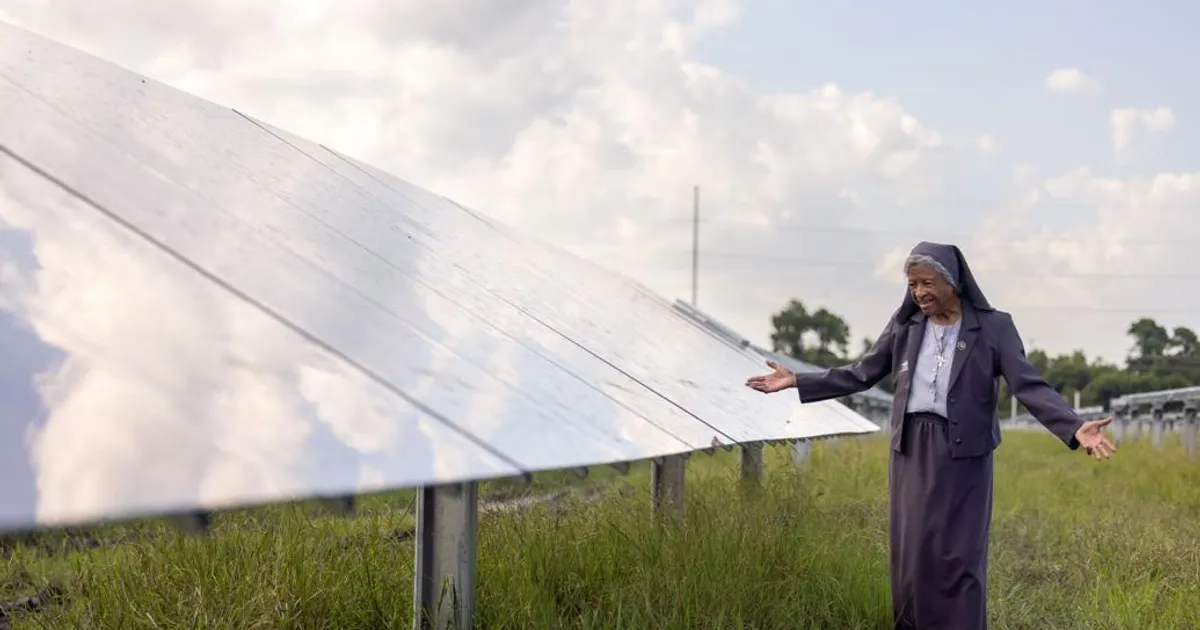
With Project Matador, the overall technology infrastructure could get a new outlook. It does not rely solely on the public grid. Instead, Fermi America is building a dedicated private system in Carson County, near Amarillo. The private network will combine commercial nuclear reactors with natural gas units, solar arrays, and utility-scale battery storage.
Original plans for the site called for an 11-gigawatt (GW) campus, anchored by 4.4 GW of nuclear power. However, developers recently expanded their ambitions to nearly 17 GW. The upgrade aims to meet the relentless power appetite of next-generation artificial intelligence models and high-performance computing clusters, which require round-the-clock baseload electricity that intermittent renewables cannot supply alone.
The site is being developed across 18 million square feet in partnership with Texas Tech University. Construction is scheduled to bring the facility online in stages, starting in the late 2020s and running into the mid-2030s.
Source link