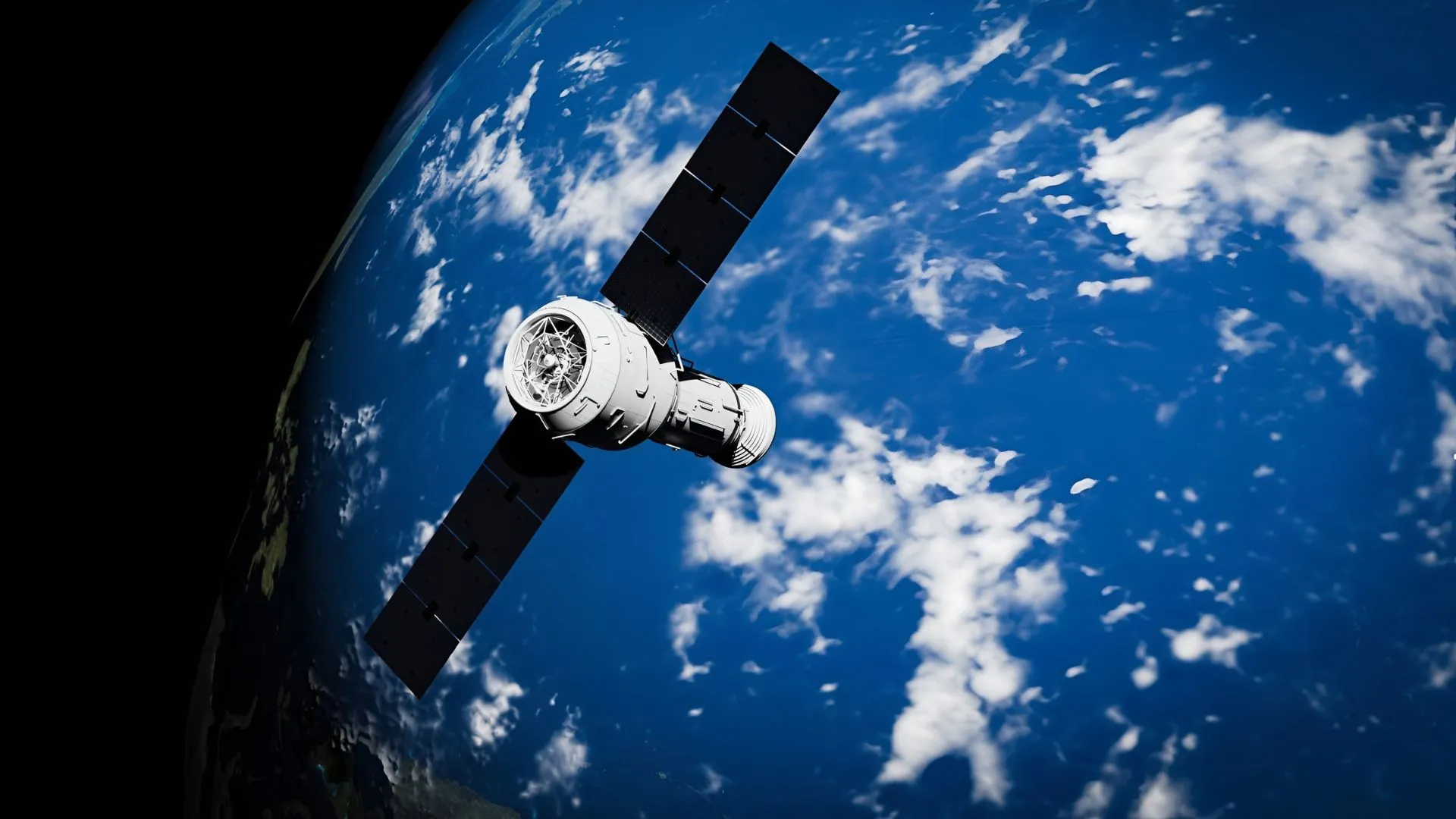
Google has successfully run its first machine learning prompt on a satellite-mounted processor, bringing its space-based computing experiment closer to reality. The prototype spacecraft generated an AI response from orbit using Google’s Tensor Processing Units (TPUs).
The achievement marks an early milestone for Project Suncatcher, Google’s research initiative exploring large-scale computing infrastructure in space. Engineers launched the satellite on October 1 aboard a SpaceX Falcon 9 rocket. It shared the ride with more than 100 other spacecraft.
Google confirmed that its onboard systems completed initial checks after approximately three weeks of commissioning. The team has now demonstrated that an orbital TPU can handle basic machine learning workloads.
During a ground-station communication window, engineers transmitted a prompt to Google’s Gemma 4 open model. They asked the onboard system to compose a haiku about its surroundings in space.
The satellite received the prompt and generated three lines of poetry. Its subsequent transmission back to Earth confirmed that the system had successfully processed the request.
Our TPUs just phoned home… from space.
In early October, we sent four TPUs into orbit to test whether our AI hardware could operate in space. The initial goal was to see if our chips could turn on, process a prompt, and transmit a response back to Earth.
This week, we got our… pic.twitter.com/j8NJx2nWnQ
” Google also tested the model with space-themed limericks. Engineers used additional prompts to retrieve telemetry information about the spacecraft’s operating conditions.
Source link