Welcome to AI Decoded, Fast Company‘s weekly newsletter that breaks down the most important news in the world of AI. I’m Mark Sullivan, a senior writer at Fast Company, covering emerging tech, AI, and tech policy.
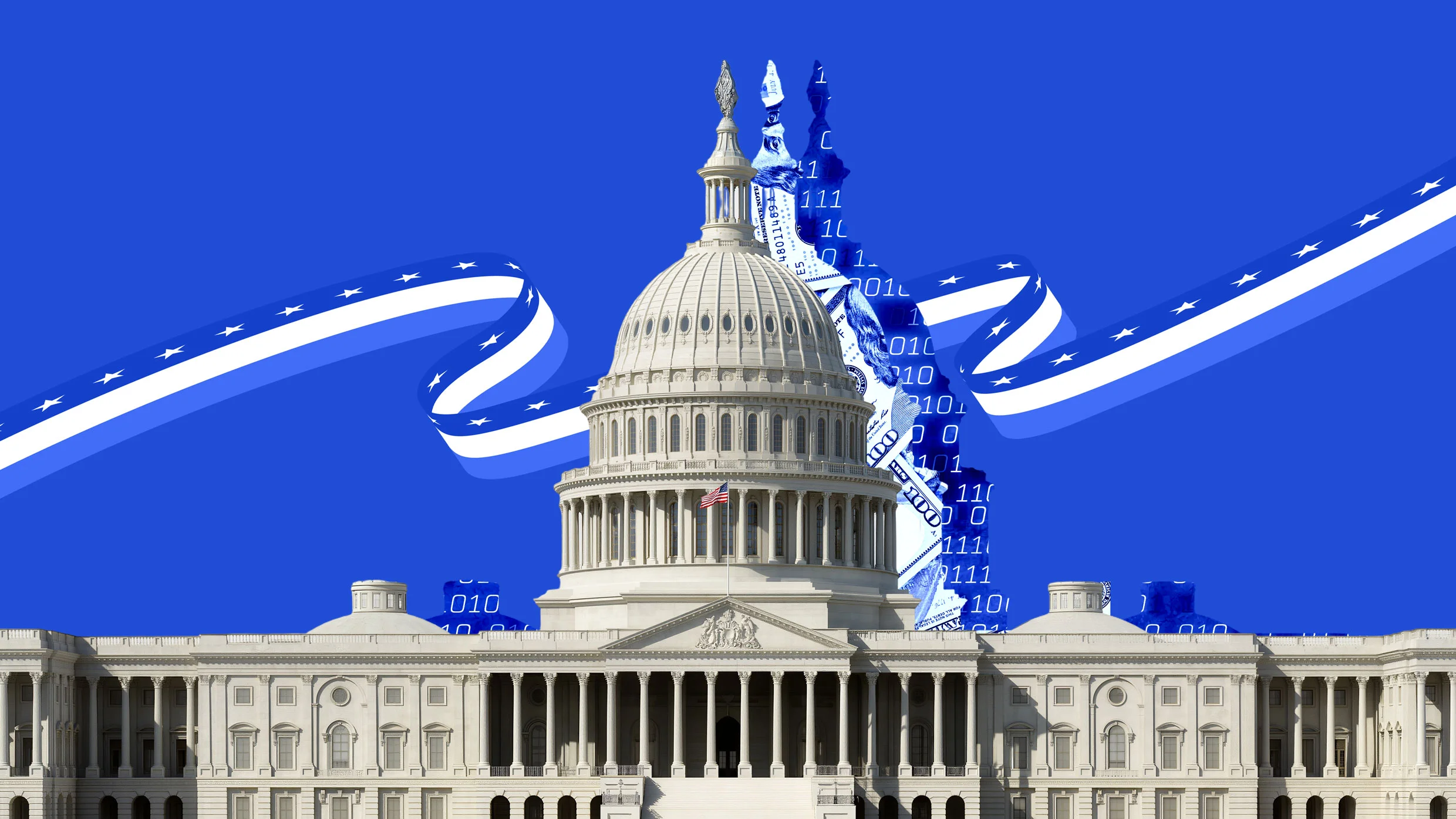
Political action committees backed by artificial intelligence developers, Silicon Valley executives, and venture capital firms have poured tens of millions of dollars into competitive 2026 midterm elections. But across the thousands of television, streaming, and digital ads bought with that money, the words “artificial intelligence,” “algorithms,” and “tech policy” appear in almost none of them, a New York Times investigation found.
Silicon Valley donors and corporate super PACs want to elect members of Congress who are likely to support industry-friendly AI regulation, or no regulation at all. But they must do so without further elevating AI as a campaign issue. The technology, and the data centers that support it, remain deeply unpopular with voters. Many Americans worry that AI will eliminate jobs, pose potentially existential risks, enable mass surveillance and media manipulation, and ultimately benefit only the wealthy elites who finance and control it. Wide majorities also oppose the construction of noisy, energy-hungry data centers in their communities. With AI policy now a political liability, advertisers are channeling their funds into conventional campaign ads focused on kitchen-table economic issues like inflation, local taxes, and small business support.
And we’re talking about unprecedented sums of money. 7 million and $60 million into federal midterm campaign advertising and voter outreach. 1 million this cycle, roughly two-thirds of it from the venture capital firm Andreessen Horowitz.
Source link