Meta's Muse and OpenAI's dots reach websites through a connector or a browser. What that means for robots.txt, on-page SEO, and analytics, and what to do now.
Personal AI agents like Meta’s Muse and OpenAI’s Dots are splitting the web into two kinds of websites: the ones the agent has a deal with, and the ones it walks into pretending to be your customer.
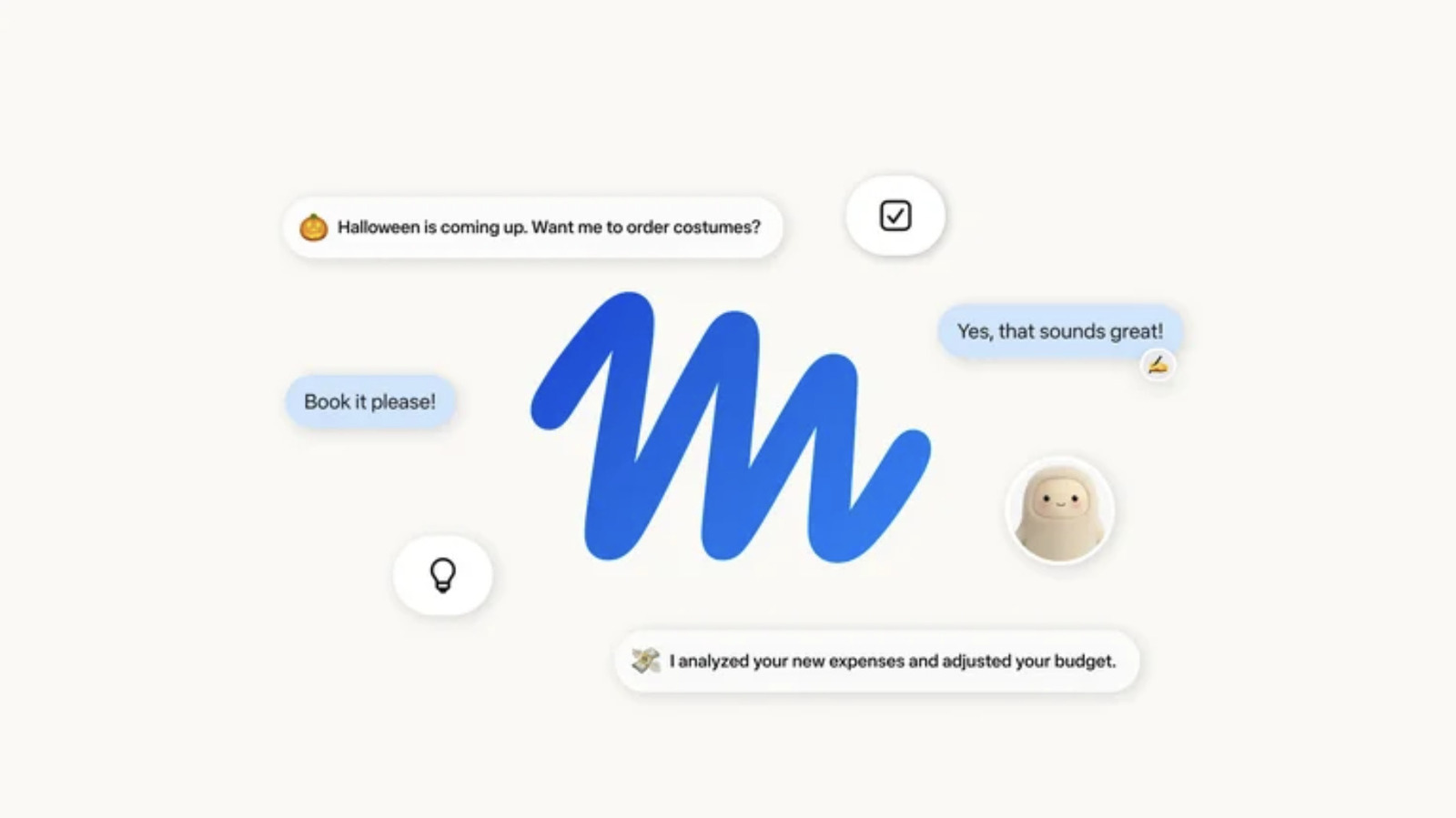
Muse and Dots both take a request from a person and carry it out on the web. They research a product, fill in a form, and can even add the product to cart and check out. Meta has documented how Muse does this, in detail. OpenAI has published much less about Dots, so most of this article is about Muse, with Dots wherever OpenAI has said something.
I think agents like these will increasingly be how people use the internet. Before the iPhone made mobile browsing a real thing, computers were the only way most people ever interacted with websites. Computers’ share of traffic fell from 98% of worldwide web traffic in January 2010 to under half in 2026, by StatCounter’s count. We are about to see that same thing happen to browsers used by humans, as agent-driven browsers take a share.
The comparing, booking, and reordering a person used to do across 10 tabs can now become one request. S. and Canada, free for most uses. That is why this matters now, even before anyone knows how many people shop this way.
Source link