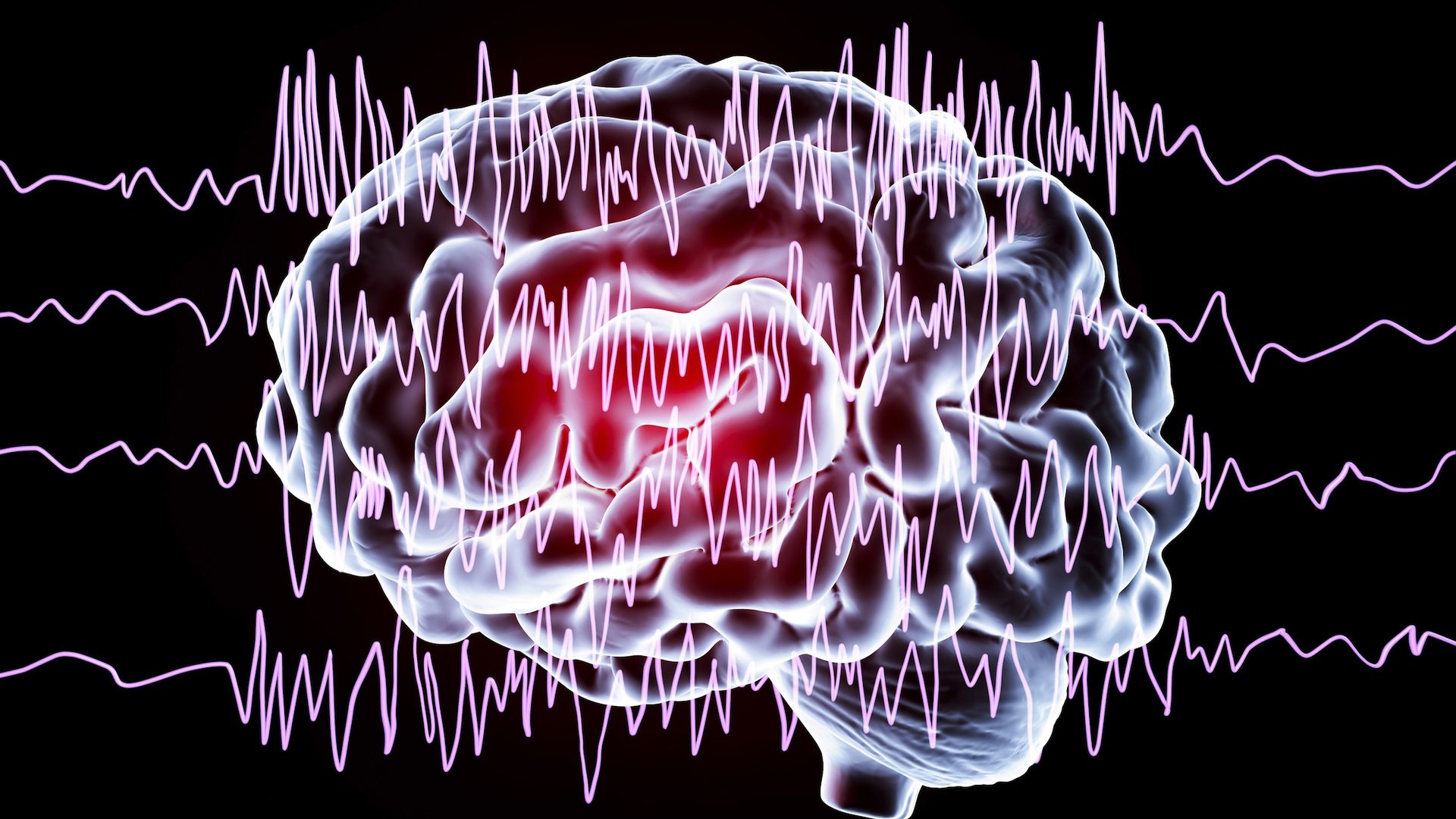
Your sleep data might be doing double duty. While wearable headbands promise to help users understand their sleeping patterns, some of the companies behind them are also turning the electrical signals collected from their customers' brains into training material for artificial intelligence models. Science recently conducted an investigation alongside Pulitzer Center's AI Accountability Network and found that the customer neurology companies have accumulated tens of millions of hours of electroencephalography (EEG) recordings — a rather technical way of saying brain-wave data. As per the findings, several are using those recordings to develop so-called brain foundation models, despite initially failing to spell out that use in their privacy policies.
Interaxon, the Canadian firm behind the Muse sleep and meditation headband, is one of them. Its devices monitor electrical activity in the brain, alongside other physiological measurements, while users sleep. The recordings are processed into reports that help customers track their rest and identify changes in their sleeping patterns. But there is another use for that information. Interaxon has already trained an AI model using about 50,000 hours of EEG recording and says it removes identifying information, including names, email, and addresses, before using the data. “We aim to use as much of that eligible corpus as possible,” Nadia Kumentas, its Chief Marketing Officer, said.
Notably, the idea behind these systems is particularly different from training a large language model. Instead of feeding AI an enormous amount of text, developers supply it with recordings of electrical activity in the brain. The model then learns recurring patterns that can be adapted to recognize different brain states or assist with specific research tasks.
Source link