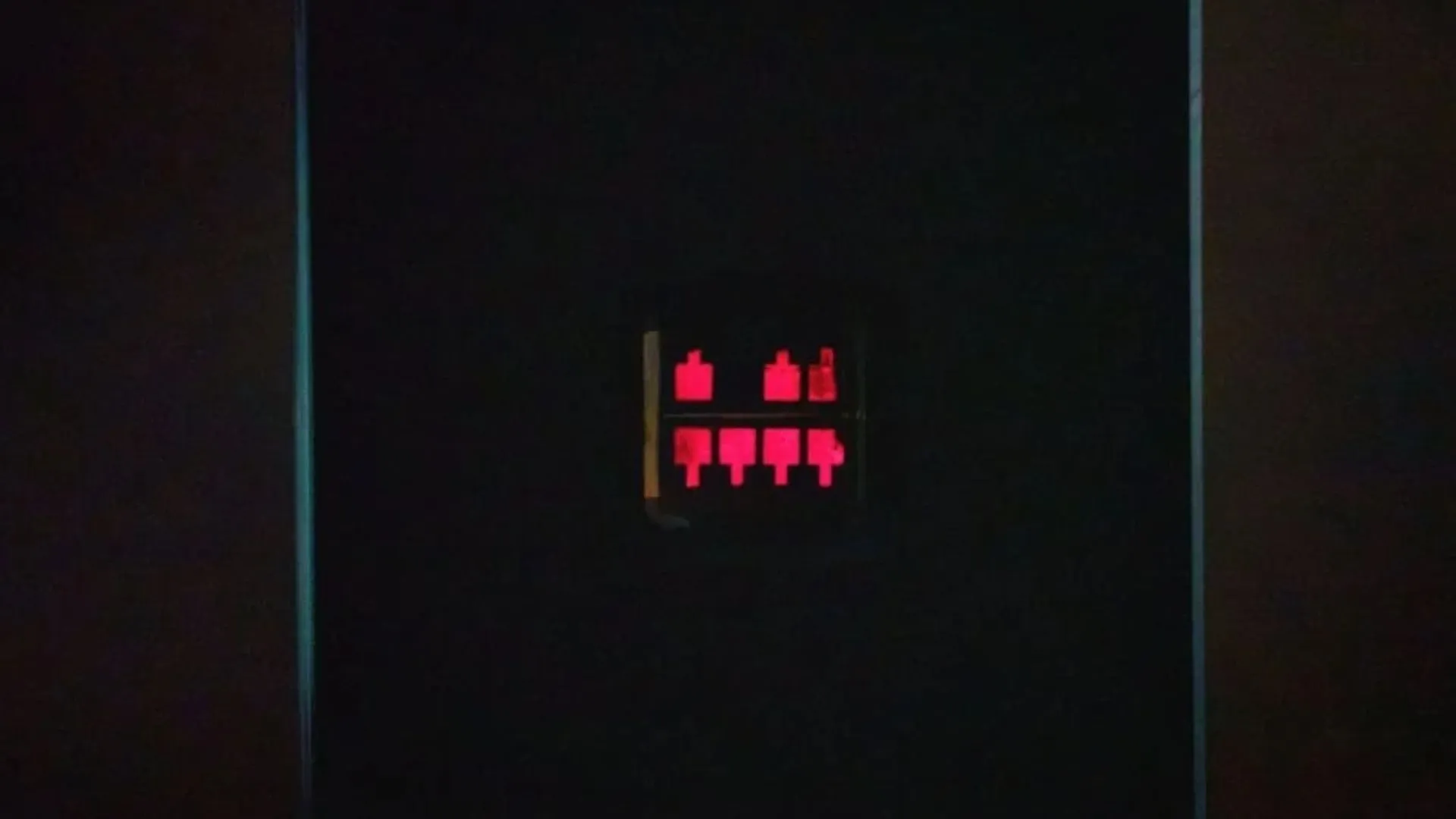
Engineers at Florida International University (FIU) have developed a thin, wearable solar device that can generate electricity from sunlight and also produce light. Called SOLED, the device combines the functions of a solar panel and a light-emitting diode (LED) in a single, flexible structure.
The technology could be integrated into soldiers’ uniforms or equipment to power electronic devices in the field, potentially reducing reliance on batteries, generators, and resupply missions. The research aims to support lightweight wearable power systems and could also lead to new applications in displays, sensors, and other optoelectronic devices.
SOLED combines a solar cell and a light-emitting diode (LED) in a single, lightweight structure that could eventually be integrated into uniforms, wearable equipment, and other portable power systems.
The device is made using perovskite, a semiconductor material that can absorb sunlight and convert it into electrical energy. The researchers report that SOLED achieves a power-conversion efficiency of up to 22 percent when operating as a solar cell, a performance level competitive with commercial solar technology. When operated in reverse, the same device emits light with nearly 11 percent efficiency, an improvement over earlier versions of the technology.
SOLED combines energy harvesting and light emission within a single thin structure. In its solar-cell mode, the device captures sunlight and converts it into electricity that could help power electronic equipment. In its light-emitting mode, it uses electrical energy to produce light.
According to the team , this dual functionality could make the technology useful in applications where space, weight, and energy availability are important considerations.
Source link